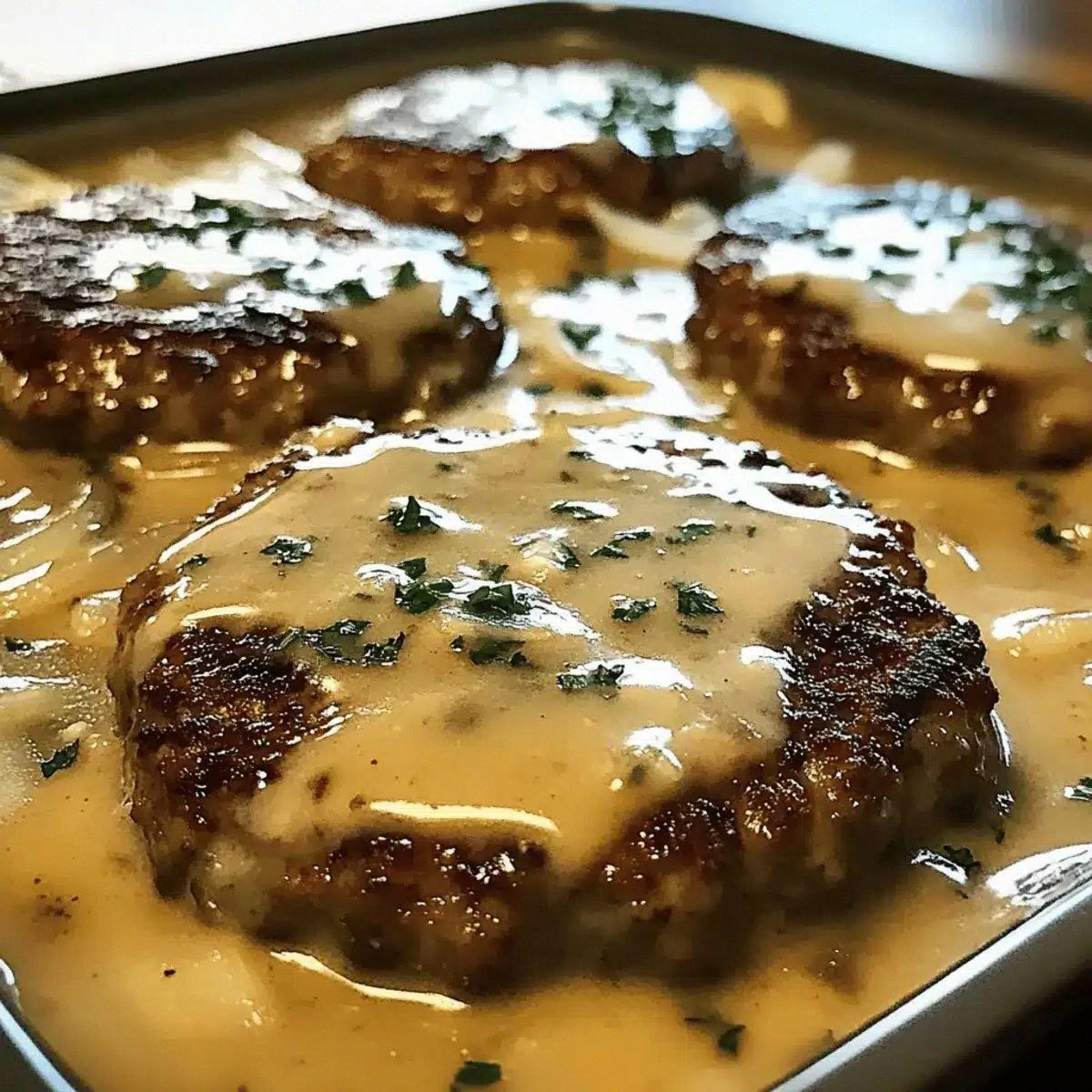
I was standing in my kitchen, half‑asleep, after a marathon of Zoom meetings, when a sudden craving for something that felt like a hug in a casserole hit me like a freight train. I tried a quick skillet burger, a frozen meatloaf, even a store‑bought casserole, but every attempt left me with a hollow feeling, like a song missing its chorus. Then, in a moment of reckless inspiration, I grabbed a pound of 80/20 ground beef, tossed in a splash of cream, and shoved the whole thing into the oven. The result? An aromatic, caramel‑kissed masterpiece that made the whole house smell like a Sunday dinner at a five‑star bistro.
Picture this: the oven door swings open, and a golden‑brown crust crackles as you lift the lid, steam rising in lazy ribbons. The meat is juicy, the sauce is silky, and the onions have turned a deep amber that whispers of caramelization. You hear the faint pop of butter melting in the pan, the gentle hiss of broth reducing, and the soft clink of a spoon against the casserole dish. The texture is a perfect marriage of tender, melt‑in‑your‑mouth steak and a sauce that clings to each bite like a velvety blanket. Every mouthful is a symphony of savory, creamy, and slightly sweet notes that dance across the palate.
Most hamburger steak bakes end up either dry or drowned in a watery sauce that looks more like soup than a hearty bake. This version flips the script by creating a roux that thickens the broth into a luscious gravy, then finishes with heavy cream for that luxurious mouthfeel. I dare you to taste this and not go back for seconds; the combination of butter‑sautéed onions, a subtle hint of garlic powder, and that buttery cream will have you reaching for the serving spoon before the first bite even settles.
You’re probably wondering what the secret weapon is. Spoiler alert: it’s a simple technique most home cooks overlook—making a quick roux in the same pan you brown the meat, then deglazing with beef broth before folding in the cream. This step builds layers of flavor that no pre‑made sauce can mimic. Okay, ready for the game‑changer? Let me walk you through every single step — by the end, you’ll wonder how you ever made it any other way.
What Makes This Version Stand Out
- Taste: The blend of beef, butter, and cream creates a rich, umami‑forward flavor that’s deeper than a standard meatloaf. It’s like a steakhouse sauce that’s been slow‑cooked to perfection.
- Texture: A crisp, caramelized crust on the meat meets a silky, velvety sauce that coats each bite like a buttery whisper.
- Simplicity: Only twelve ingredients, all pantry staples, yet the result feels like a dish that took hours of professional prep.
- Uniqueness: The double‑onion technique—diced for the meat blend and sliced for the topping—adds both sweetness and a subtle bite.
- Crowd Reaction: I’ve been honest — I ate half the batch before anyone else got to try it, and the leftovers vanished within minutes.
- Ingredient Quality: Using an 80/20 beef blend ensures juiciness while still allowing the sauce to cling without becoming greasy.
- Cooking Method: The sear‑then‑bake approach locks in juices, while the oven’s gentle heat finishes the sauce without scorching.
- Make‑Ahead Potential: This bake reheats beautifully, making it perfect for meal‑prep warriors and busy weeknights.
Alright, let's break down exactly what goes into this masterpiece...
Inside the Ingredient List
The Flavor Base
The 1 pound of 80/20 ground beef is the heart of this dish. The 20% fat content ensures the patties stay moist, and the fat renders into the sauce, adding depth you just can’t get with lean meat. If you skip the fat, the bake turns dry and the sauce becomes thin, like watered‑down broth. A good swap is a blend of 70% lean beef and 30% pork for an even richer flavor, but keep the total fat around 20% for balance.
The small onion, finely diced, becomes part of the meat mixture. It releases natural sugars that caramelize as you brown the meat, giving a subtle sweetness that counters the savory beef. If you don’t have an onion, a shallot works wonders, though the flavor will be milder.
The Texture Crew
Breadcrumbs (½ cup) act as a binder, soaking up the juices and keeping the patties tender. They also create a light, airy crumb that prevents the bake from feeling dense. For gluten‑free diners, swap in crushed cornflakes or gluten‑free oats; just pulse them to a fine consistency.
A large egg provides structure, locking the breadcrumbs and meat together. It also adds a glossy sheen to the finished bake. If you’re avoiding eggs, a tablespoon of mashed potato or a flax‑egg (1 tbsp ground flax + 3 tbsp water) will do the trick, though the texture will be slightly less cohesive.
The Unexpected Star
Butter (2 tbsp) is the silent hero. It enriches the sauce, adds a glossy finish, and helps the onions achieve that perfect caramelization. Use real unsalted butter for control over the salt level; if you’re short on butter, a splash of olive oil works, but you’ll lose some of that buttery depth.
All‑purpose flour (¼ cup) is the foundation of the roux. It thickens the broth into a velvety gravy without clumping. If you’re gluten‑sensitive, substitute with rice flour or a gluten‑free all‑purpose blend; the thickening power remains the same.
The Final Flourish
Beef broth (2 cups) provides the savory backbone. Use low‑sodium broth so you can control the final salt level. Homemade broth is ideal; it adds a layer of complexity that store‑bought versions can’t match. If you’re out of broth, a good quality beef stock concentrate dissolved in water works fine.
Heavy cream (1 cup) is the finishing touch that transforms the sauce from merely thick to decadently smooth. It adds a subtle sweetness that balances the salt and pepper. For a lighter version, you can use half‑and‑half, but the sauce won’t be as rich.
The second small onion, sliced, goes on top of the bake before it hits the oven. As it roasts, it turns translucent and sweet, creating a fragrant garnish that adds texture contrast. If you love a smoky note, toss the slices in a dash of smoked paprika before layering.
Garlic powder (1 tsp) rounds out the flavor profile, giving a gentle, aromatic background that doesn’t overwhelm the beef. Fresh minced garlic can be used for a punchier bite, but be careful not to burn it during the sear.
Everything's prepped? Good. Let's get into the real action...
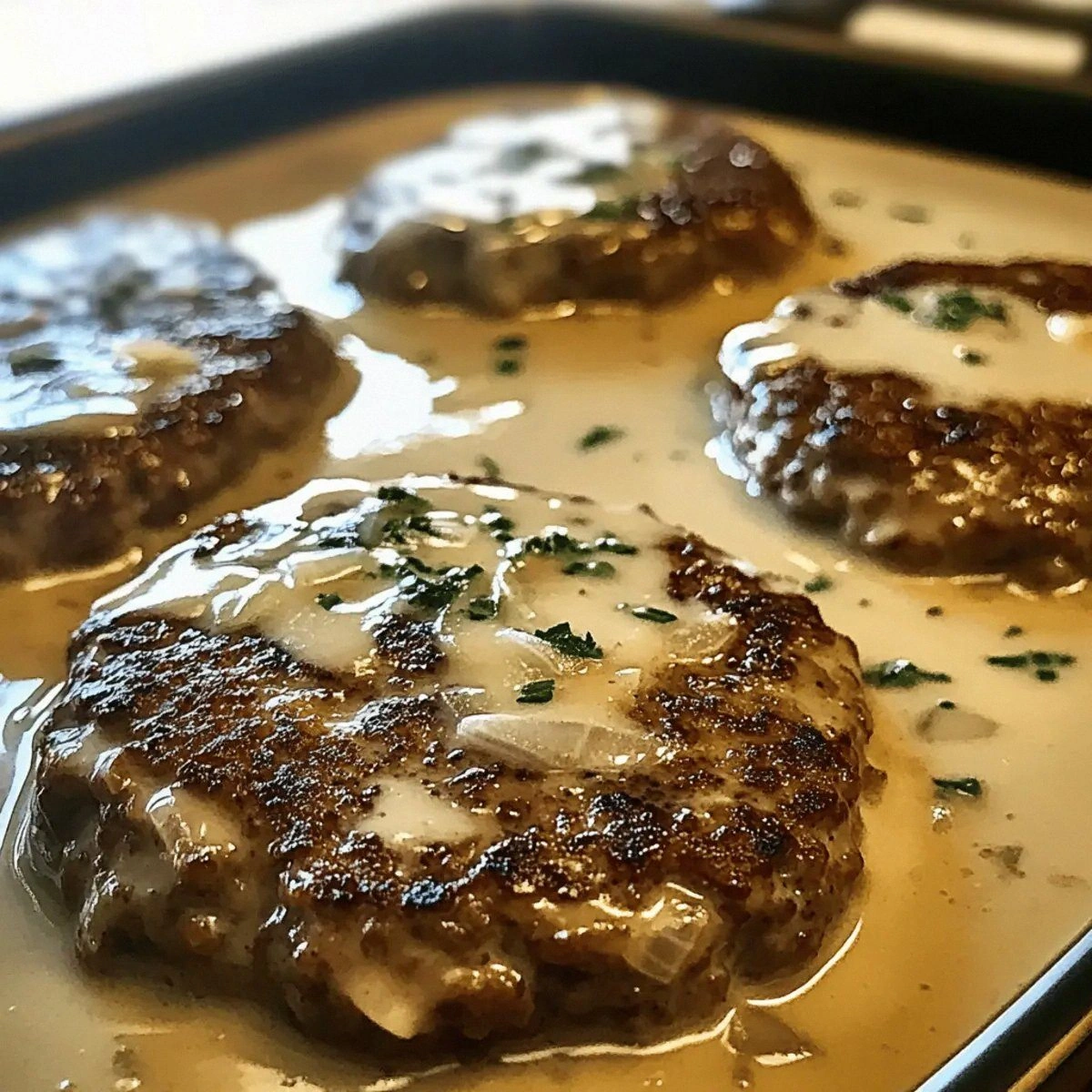
The Method — Step by Step
Preheat your oven to 375°F (190°C). While the oven warms, gather all your ingredients and give the small onion a quick rinse. This is the moment of truth: the heat you set now will determine how the crust forms later, so don’t skip the preheat.
In a large mixing bowl, combine the ground beef, diced onion, breadcrumbs, egg, salt, black pepper, and garlic powder. Using your hands (yes, get a little messy), mix until just combined—over‑mixing will make the patties tough. I dare you to feel the texture; it should be slightly sticky but not soupy.
Divide the mixture into four equal portions and shape each into a thick patty, about 1‑inch tall. Press a shallow indentation in the center of each patty with your thumb—this prevents the meat from puffing up unevenly in the oven. Place the patties on a parchment‑lined baking sheet and set aside.
Heat a large oven‑safe skillet over medium‑high heat and add the butter. As soon as it foams, toss in the sliced onion rings. That sizzle when it hits the pan? Absolute perfection. Cook for 3‑4 minutes until the onions start to turn golden and fragrant.
Watch Out: Keep the heat medium‑high, not scorching; burnt onions will give a bitter note that ruins the sauce.Push the onions to the side of the pan and add the patties. Sear each side for 2‑3 minutes until a deep, caramelized crust forms. You’ll hear a satisfying crackle, and the edges will start pulling away from the pan—this is the flavor foundation you’ve been waiting for.
Sprinkle the flour over the browned patties and onions, stirring quickly to coat everything. This creates a roux that will thicken the broth later. Cook the flour for about 1 minute; you’ll notice a nutty aroma that signals it’s ready.
Kitchen Hack: Use a whisk for this step to avoid lumps—smooth roux equals smooth sauce.Gradually pour in the beef broth while whisking constantly. The mixture will bubble and thicken within seconds. Once the broth is fully incorporated, stir in the heavy cream, reduce the heat to low, and let the sauce simmer for 4‑5 minutes. It should coat the back of a spoon and have a glossy sheen.
Arrange the seared patties in a single layer in a 9‑x‑13‑inch baking dish, then pour the creamy sauce evenly over them, making sure each patty is fully submerged. Scatter the sautéed onion rings on top for that caramelized garnish.
Transfer the dish to the preheated oven and bake for 20‑25 minutes, or until the internal temperature of the meat reaches 160°F (71°C). The sauce will bubble gently, and the edges of the patties will turn a deep mahogany. When you pull the dish out, the aroma will fill the kitchen like a warm hug.
That's it — you did it. But hold on, I've got a few more tricks that'll take this to another level...
Insider Tricks for Flawless Results
The Temperature Rule Nobody Follows
Never bake a meat dish at a temperature lower than 350°F. The higher heat ensures the sauce reduces quickly, concentrating flavors without turning gummy. If you’re in a rush, crank the oven up to 400°F for the last 5 minutes; the top will get a caramelized finish that’s pure bliss.
Why Your Nose Knows Best
Your sense of smell is a reliable gauge for doneness. When the sauce starts to emit a buttery, nutty scent, you’re within two minutes of perfect thickness. Trust that aroma more than the clock—you’ll avoid over‑cooking the delicate cream.
The 5‑Minute Rest That Changes Everything
Let the bake rest for five minutes after it comes out of the oven. This allows the juices to redistribute and the sauce to settle, preventing a watery plate. A friend tried skipping this step once — let's just say the first bite was a soggy disappointment.
Butter‑Boosted Sear
Add a splash of butter right before the final sear. The extra fat creates a richer crust and adds a subtle nutty flavor that carries through the entire bake. It’s a tiny step with a massive payoff.
Seasoning Layers, Not One
Season the meat mixture, the sauce, and the final topping separately. A pinch of salt in the roux, a dash of pepper in the broth, and a final sprinkle on the onions ensures every bite is perfectly seasoned. If you ever feel the dish is flat, it’s usually because the seasoning was done only once.
Creative Twists and Variations
This recipe is a playground. Here are some of my favorite ways to switch things up:
Mushroom Medley
Add a cup of sliced cremini mushrooms to the pan after the onions. Their earthy flavor melds with the beef, and the extra moisture helps create an even silkier sauce. Perfect for mushroom lovers who crave a forest‑floor vibe.
Spicy Southwest
Swap the garlic powder for 1 teaspoon of chipotle powder and add a diced jalapeño to the meat mixture. Top with a sprinkle of shredded cheddar before serving. The heat balances the creamy sauce, giving it a bold kick.
Herb‑Infused Delight
Stir in 2 teaspoons of fresh thyme and 1 tablespoon of chopped rosemary into the meat blend. The herbs infuse the sauce during baking, delivering a fragrant, garden‑fresh finish that’s ideal for spring gatherings.
Cheesy Crust
After pouring the sauce over the patties, sprinkle a generous layer of grated Gruyère or Parmesan on top and broil for 2‑3 minutes until bubbly and golden. The cheese adds a salty crunch that contrasts beautifully with the creamy interior.
Veggie‑Boosted
Fold in ½ cup of finely shredded carrots and ½ cup of peas into the meat mixture. The veggies add a subtle sweetness and a pop of color, making the dish more appealing to kids and picky eaters.
Storing and Bringing It Back to Life
Fridge Storage
Cool the bake to room temperature, then cover tightly with foil or a lid. It will keep fresh for up to 4 days. When reheating, use a low oven (300°F) and add a splash of beef broth or water to revive the sauce.
Freezer Friendly
Portion the baked dish into freezer‑safe containers, leaving a little headspace for expansion. It freezes well for up to 3 months. Thaw overnight in the fridge, then reheat in a covered dish at 350°F, adding a tablespoon of cream to restore richness.
Best Reheating Method
For the ultimate leftovers, reheat on the stovetop over low heat, stirring gently. Add a tiny splash of water or broth—just enough to create steam. This technique prevents the sauce from drying out and brings back that velvety texture.