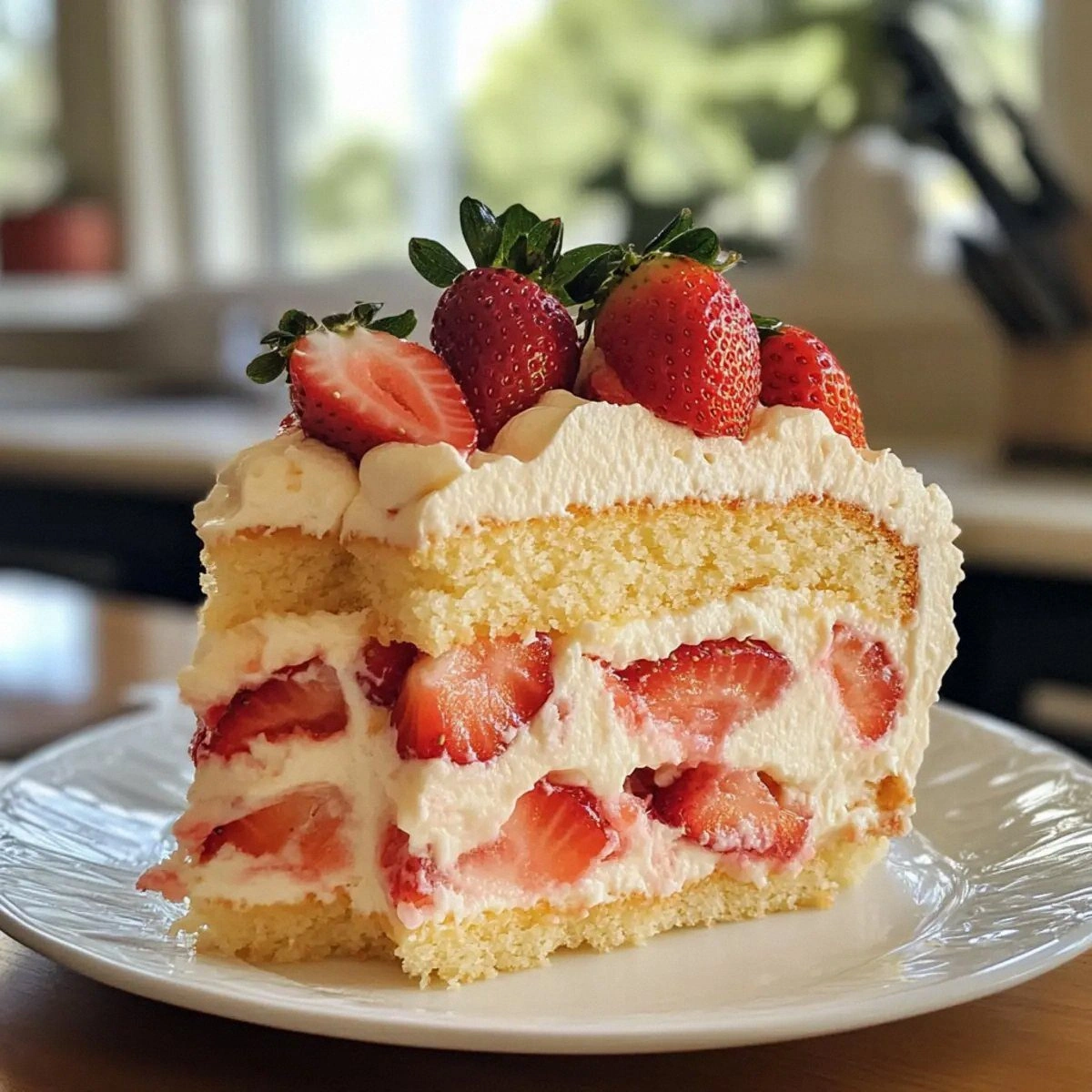
I was standing in my kitchen on a sweltering July afternoon, the kind of day where the air feels like a thick blanket and the only thing that can cut through the heat is a burst of sweet, tangy fruit. I had just rescued a half‑dozen plump strawberries from wilting on the counter, and a dare from my roommate rang in my ears: “Make something that screams summer, but don’t waste any of those berries.” I stared at the empty mixing bowl, imagined a cake that could double as a dessert and a conversation starter, and the idea of a strawberry‑infused custard cake began to swirl like a lazy summer cloud. Most recipes I’d tried either turned out dry, overly sweet, or just plain boring, and I was determined to rewrite that story.
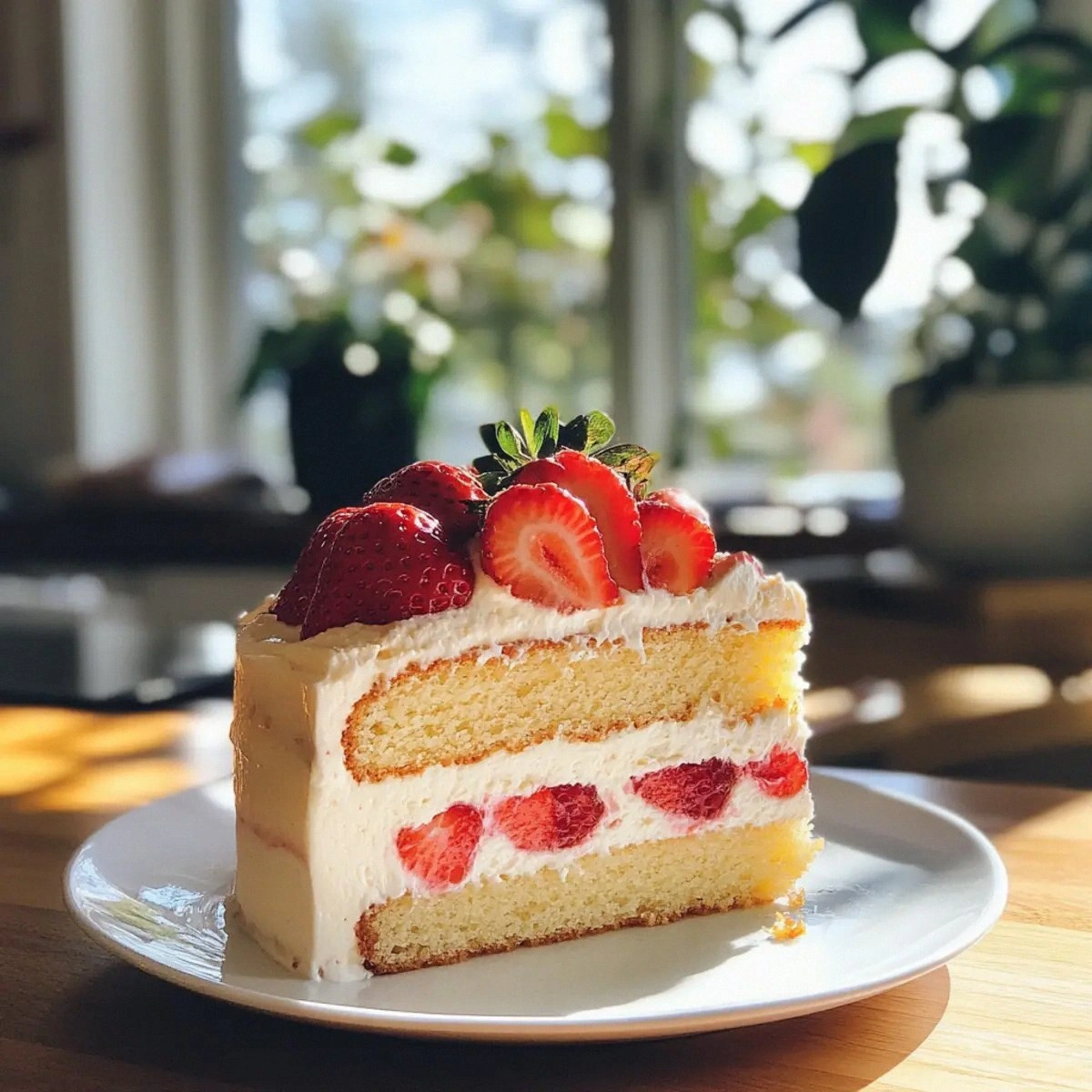
Picture this: the oven door opens, releasing a warm, buttery aroma that instantly makes you feel like you’re back at a seaside fair, where the scent of fresh‑baked treats mixes with the salty breeze. The cake itself is a golden, feather‑light sponge that yields to the touch of a fork, while a glossy ribbon of silky strawberry custard oozes across each slice like sunrise over a field of berries. The top is crowned with a glossy glaze of sliced strawberries that glisten like tiny rubies, and the whole thing has a whisper of vanilla that lingers on the palate long after the last bite. I dare you to taste this and not go back for seconds.
What makes this version truly special is a secret technique I stumbled upon while scrolling through an old French patisserie forum: the custard is cooked on the stovetop, then folded into the cake batter just before baking, creating a marbled interior that’s both creamy and airy. Most recipes keep the custard separate, serving it on the side, which is fine but never quite the same as having it baked right into the heart of the cake. This method locks in moisture, amplifies flavor, and gives the crumb a luxurious, almost melt‑in‑your‑mouth quality that I swear is hands down the best version you’ll ever make at home.
Okay, ready for the game‑changer? We’ll be using fresh, ripe strawberries that are at the peak of their sweetness, and a touch of cornstarch to give the custard that perfect, glossy sheen without any grainy texture. I’ll also share a few kitchen hacks that will save you time, keep you from over‑mixing, and guarantee that your cake rises like a summer balloon. Let me walk you through every single step — by the end, you’ll wonder how you ever made it any other way.
What Makes This Version Stand Out
- Taste: The marriage of sweet strawberries with a subtle vanilla‑kissed custard creates a flavor profile that feels like a first kiss on a warm afternoon.
- Texture: A light, airy sponge meets a velvety custard swirl, delivering a contrast that’s as satisfying as biting into a crisp apple followed by a creamy caramel.
- Simplicity: Despite the impressive result, the ingredient list is short, and the steps are straightforward enough for a beginner to master.
- Uniqueness: Baking the custard into the batter is a technique most home bakers miss, giving you a hidden layer of indulgence.
- Crowd Reaction: Guests often claim they’ve never tasted a cake that feels both light and decadently rich at the same time.
- Ingredient Quality: Fresh strawberries provide natural acidity that balances the sweetness, while real butter adds depth no margarine can mimic.
- Cooking Method: The gentle stovetop custard prevents curdling, ensuring a smooth finish that’s impossible to achieve with a microwave hack.
- Make‑Ahead Potential: This cake stores beautifully, and the custard actually improves after a night in the fridge, making it perfect for weekend entertaining.
Inside the Ingredient List
The Flavor Base
All‑purpose flour forms the backbone of any good cake, providing structure while still allowing the batter to stay tender. I always recommend sifting the flour with the baking powder and salt; this aerates the mixture, ensuring a uniform rise and preventing those dreaded dense spots. If you skip the sift, you might end up with a cake that feels like a compacted pillow—unpleasantly heavy. As a swap, you can use pastry flour for an even softer crumb, but keep the same measurement.
The Sweeteners & Fats
Granulated sugar does double duty: it sweetens and also helps create a fine crumb by dissolving into the butter. Unsalted butter is the star here, delivering a rich, buttery flavor that can’t be replicated with oil. If you’re dairy‑free, try a high‑quality plant‑based butter; just note that the flavor will shift slightly toward a nutty note. When measuring butter, pack it gently into the cup—no need to over‑compact, just a level surface.
The Custard Crew
The custard’s heart is a blend of egg yolks, sugar, cornstarch, and whole milk. Egg yolks bring silkiness and richness, while cornstarch acts as a stabilizer, preventing the custard from curdling and giving it that glossy finish. If you’re out of cornstarch, a tablespoon of all‑purpose flour works in a pinch, though the custard may be slightly less glossy. Fresh strawberries are pureed and folded in at the end, providing that bright, fruity burst that cuts through the richness.
The Final Flourish
Vanilla extract is the quiet hero, adding depth without stealing the spotlight. A splash of whole milk in the batter ensures the cake stays moist, while the extra cup of milk in the custard guarantees a silky texture. When selecting strawberries, look for bright red, firm berries with a sweet fragrance; avoid any that are overly soft or have white tips, as those indicate overripeness and will affect both flavor and texture.
Everything's prepped? Good. Let's get into the real action...
The Method — Step by Step
Preheat your oven to 350°F (175°C) and grease a 9‑inch round cake pan with butter, then line the bottom with parchment paper. The butter not only prevents sticking but also adds a thin layer of flavor that seeps into the crust as it bakes. While the oven warms, tap the pan gently on the counter to smooth out any air bubbles; this ensures an even bake and prevents the cake from doming.
In a medium saucepan, combine 0.5 cup sugar, 2 tablespoons cornstarch, and 2 cups whole milk. Whisk continuously over medium heat until the mixture thickens and begins to bubble—this usually takes about 5‑7 minutes. Once thickened, remove from heat and stir in the pureed strawberries; the mixture should turn a vivid pink, smelling like a summer garden. That sizzle when it hits the pan? Absolute perfection.
Kitchen Hack: To avoid lumps, dissolve the cornstarch in a tiny splash of cold milk before adding it to the hot mixture.In a separate bowl, whisk together the egg yolks and 0.5 cup sugar until the mixture lightens in color and becomes slightly frothy. This step is crucial because it begins the emulsification process that will keep the custard smooth. Gradually pour the hot strawberry‑milk mixture into the yolk mixture, whisking constantly to temper the eggs and prevent curdling. Once combined, return the mixture to the saucepan and cook for another 2 minutes, stirring until it’s glossy and thick enough to coat the back of a spoon.
Set the custard aside to cool slightly while you prepare the cake batter. In a large mixing bowl, cream 0.5 cup unsalted butter with 1 cup granulated sugar until the mixture is pale, fluffy, and smells like sweet perfume. This can take 3‑4 minutes with an electric mixer on medium speed. The creaming step traps air, which later expands in the oven, giving the cake its signature lift.
Add the 3 large eggs one at a time, beating well after each addition. Follow with 2 teaspoons vanilla extract, allowing the aroma to fill the kitchen—a subtle reminder that we’re heading toward dessert heaven. Then, whisk together 2 cups all‑purpose flour, 2 teaspoons baking powder, and 0.5 teaspoon salt; sift this dry blend into the butter‑egg mixture. Fold gently with a spatula, stopping as soon as the flour disappears. Over‑mixing here would develop gluten, making the cake dense.
Watch Out: If you see streaks of flour, it means you haven’t folded enough; keep folding until the batter is smooth.Pour 1 cup whole milk into the batter and stir just until incorporated; the batter should be glossy and slightly runny. Now comes the game‑changing moment: gently fold the cooled strawberry custard into the batter in two additions. Use a large metal spoon and a gentle folding motion—think of turning pages in a book, not stirring a pot. The custard will create beautiful ribbons throughout the batter, promising that marble‑like surprise in every slice.
Kitchen Hack: Chill the batter for 10 minutes before pouring into the pan; this helps the custard set slightly, preventing it from sinking to the bottom.Transfer the batter into the prepared pan, smoothing the top with a spatula. Sprinkle a handful of sliced strawberries on the surface for a decorative finish; they’ll caramelize slightly, adding a burst of flavor and a glossy finish. Slide the pan onto the middle rack of the oven and bake for 30‑35 minutes, or until a toothpick inserted into the center comes out clean and the edges have begun to pull away from the pan.
While the cake bakes, prepare a quick glaze: combine 2 tablespoons powdered sugar with a teaspoon of strawberry puree and a splash of milk, whisking until smooth. This glaze will give the cake a subtle sheen that catches the light, making it look as irresistible as it tastes.
When the timer dings, remove the cake and let it cool in the pan for 10 minutes—this rest allows the interior custard to set fully. Then, turn the cake out onto a wire rack, drizzle the glaze over the top, and garnish with a few whole strawberries for that Instagram‑ready finish. Picture yourself pulling this out of the oven, the whole kitchen smelling incredible, and the first forkful melting on your tongue. That's it — you did it. But hold on, I've got a few more tricks that'll take this to another level...
Insider Tricks for Flawless Results
The Temperature Rule Nobody Follows
Never bake a cake straight from a cold refrigerator; the sudden temperature shock can cause the batter to contract, leading to a sunken center. Instead, let the batter sit at room temperature for about 15 minutes before sliding it into the oven. This small pause equalizes the temperature, ensuring the cake rises evenly. I once tried skipping this step and ended up with a flat, pancake‑like disaster—lesson learned.
Why Your Nose Knows Best
Your sense of smell is a reliable indicator of doneness. Around the 25‑minute mark, you’ll start to notice a sweet, buttery aroma filling the kitchen. If the scent becomes caramelized, that’s your cue the cake is nearing perfection. Trusting your nose can save you from over‑baking, which would dry out the custard and make the crumb tough.
The 5‑Minute Rest That Changes Everything
After the cake comes out of the oven, let it rest in the pan for exactly five minutes before turning it out. This short rest allows the steam to finish cooking the center gently, preventing the custard from cracking. Skipping this step often results in a crumbly edge that slides off the plate—no one wants that.
Strawberry Prep Like a Pro
When you’re hulling strawberries, use a small paring knife to cut a thin slice at the top, then push a spoon underneath to pop out the core. This method preserves more of the fruit’s flesh, giving you a higher yield of puree and sliced garnish. If you’re in a hurry, a food‑processor works fine, but be careful not to over‑process; you want a smooth puree, not a juice.
Glaze Perfection
For a flawless glaze, strain the mixture through a fine‑mesh sieve before drizzling. This removes any stray strawberry seeds or lumps, resulting in a glossy finish that looks like a professional patisserie. I once poured an unstrained glaze and ended up with specks that looked like confetti—cute, but not the elegant look we’re after.
Creative Twists and Variations
This recipe is a playground. Here are some of my favorite ways to switch things up:
Lemon‑Berry Fusion
Swap half of the strawberries for fresh lemon zest and a splash of lemon juice in the custard. The bright citrus cuts through the richness, making the cake feel even more refreshing on a hot day. Perfect for fans of tangy desserts.
Chocolate Swirl Delight
Add 2 tablespoons of melted dark chocolate to the batter before folding in the custard, then use a skewer to create a marbled effect. Chocolate lovers will adore the bitter‑sweet contrast, and the visual swirl adds drama to the plate.
Almond‑Infused Elegance
Replace 0.5 cup of butter with almond butter and sprinkle sliced toasted almonds on top before baking. The nutty undertone pairs beautifully with strawberries, and the crunch adds an unexpected texture.
Tropical Twist
Introduce diced mango and a splash of coconut milk into the custard for a Caribbean vibe. The tropical flavors mingle with the strawberry base, creating a vacation‑in‑your‑mouth experience.
Vegan Velvet
Swap the eggs for a blend of flaxseed “egg” (1 tablespoon ground flax + 3 tablespoons water per egg) and use oat milk in place of dairy milk. Use a plant‑based butter alternative. The result is a slightly denser cake but still delightfully moist, proving that dairy‑free can be just as indulgent.
Storing and Bringing It Back to Life
Fridge Storage
Cover the cooled cake loosely with plastic wrap and store it in the refrigerator for up to three days. The custard stays creamy, and the strawberries retain their fresh flavor. Before serving, let the cake sit at room temperature for 20 minutes or add a tiny splash of milk to the glaze and microwave for 10 seconds to revive the sheen.
Freezer Friendly
Slice the cake into individual portions, wrap each slice tightly in parchment paper, then place them in a freezer‑safe zip‑lock bag. They’ll keep for up to two months. To reheat, unwrap and microwave on medium for 30‑45 seconds, or let them thaw overnight in the fridge and warm gently in a 300°F oven for 10 minutes.
Best Reheating Method
For the ultimate revival, preheat your oven to 300°F, place the whole cake on a baking sheet, and add a tablespoon of water to the bottom of the pan. Cover loosely with foil and heat for 12‑15 minutes. The added steam brings the custard back to its original velvety texture, and the edges regain that slight crispness.