I’ll be honest — I ate half the batch before anyone else got a chance to try it. It all started on a rainy Tuesday when I was craving something that felt like a warm hug from my grandma, but I was also in the mood for a little culinary swagger. I tossed together a few meatballs, a splash of broth, and a mound of mashed potatoes, and the kitchen instantly transformed into a nostalgic diner meets five‑star bistro. The moment the first meatball hit the sizzling pan, I heard that satisfying sizzle that makes your heart skip a beat, and the aroma of caramelized onions and garlic swirled through the air like a love letter to comfort food.
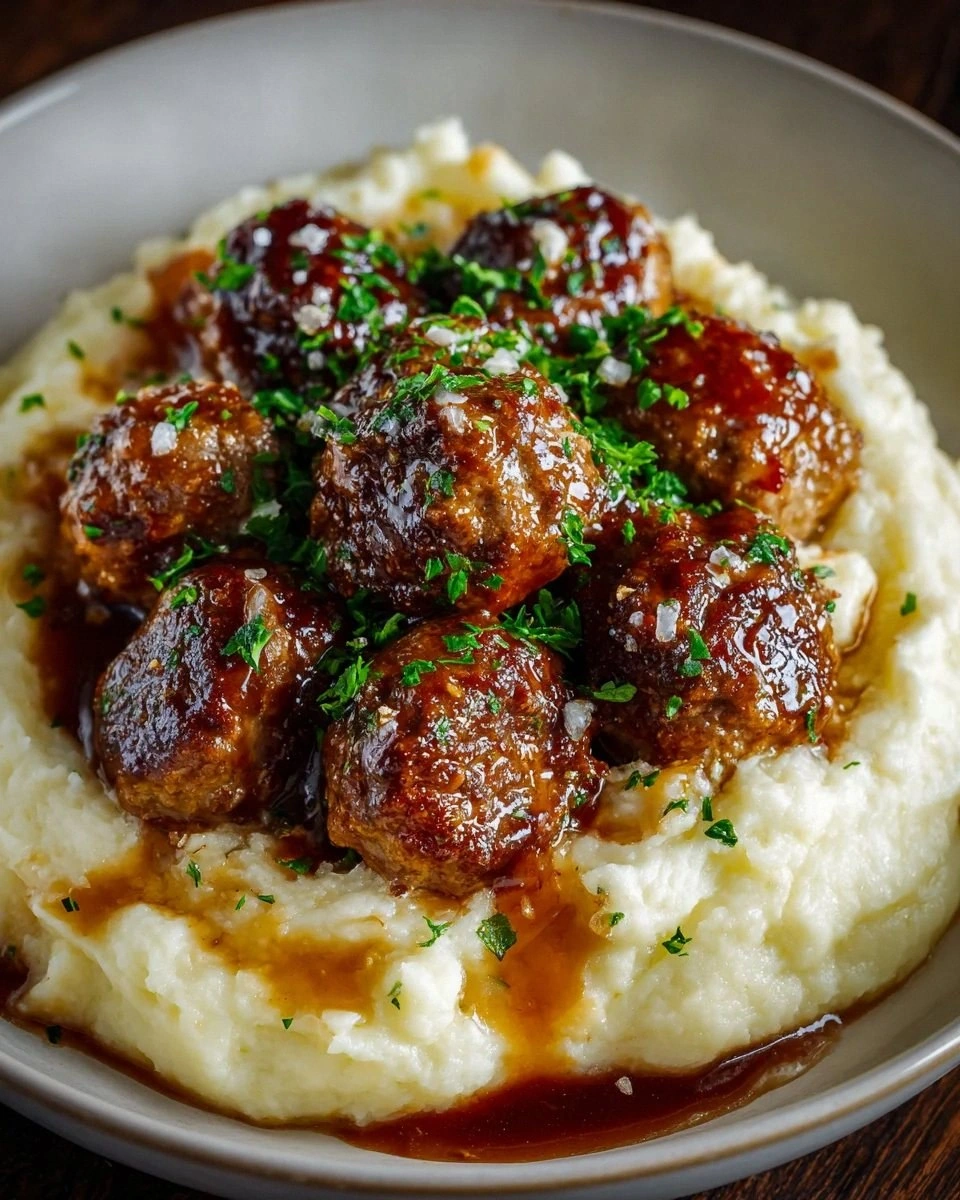
What made that night unforgettable wasn’t just the taste; it was the texture symphony that unfolded on my tongue. The meatballs were tender on the inside, with a lightly crisped exterior that shatters like thin ice when you bite into it, while the gravy clung to each bite like velvet. The mashed potatoes? They were buttery clouds speckled with fresh parsley, each forkful a creamy, herb‑kissed dream. Most recipes get the balance wrong – either the meatballs are dry, the gravy is watery, or the potatoes are a gluey mess. I dared to perfect every single element, and the result is hands down the best version you’ll ever make at home.
Picture yourself pulling a steaming bowl of these Salisbury steak meatballs from the oven, the whole kitchen smelling incredible, the steam rising like a curtain of anticipation. The secret? A handful of unexpected tricks – a splash of soy sauce in the gravy, a dash of Dijon mustard for depth, and a gentle hand when folding the herbs into the potatoes. I’m about to spill every detail, from the exact moment the meatball mixture should rest, to the precise temperature that turns the broth into a glossy, restaurant‑quality sauce. I dare you to taste this and not go back for seconds.
Okay, ready for the game‑changer? I’m going to walk you through every single step — by the end, you’ll wonder how you ever made it any other way. Stay with me here — this is worth it.
What Makes This Version Stand Out
- Flavor Explosion: The combination of Worcestershire sauce, soy sauce, and Dijon mustard creates a umami punch that makes the gravy sing louder than a choir.
- Texture Harmony: Lightly crisped meatball edges give way to a juicy center, while the mashed potatoes stay buttery without turning gummy.
- Simplicity Meets Sophistication: Only pantry staples are needed, yet the dish feels like it belongs on a fine‑dining menu.
- Ingredient Quality: Using ground beef with a touch of fat ensures moisture, and fresh parsley brightens every bite.
- Crowd‑Pleaser Factor: Even the pickiest eaters can’t resist the comforting aroma and the satisfying bite.
- Make‑Ahead Magic: The meatballs and gravy freeze beautifully, letting you prep in advance for busy weeknights.
- Cooking Method: Browning the meatballs first locks in juices, then simmering in broth creates a glossy, thickened sauce.
- Future‑Proof Flexibility: Swap out the beef for turkey or plant‑based mince, and the dish still shines.
Inside the Ingredient List
The Flavor Base
Ground Beef: The star of the show! Choose ground beef with a bit of fat (around 80/20) for juicy meatballs. The fat renders during cooking, adding richness to both the meatballs and the gravy. If you skip the fat, you’ll end up with dry, crumbly spheres that feel more like shoe leather than comfort food. Pro tip: Look for beef labeled “grass‑fed” for a slightly sweeter, more nuanced flavor.
Worcestershire Sauce: This liquid gold brings a deep, savory umami that you can’t replicate with salt alone. A couple of tablespoons are enough to lift the whole dish. If you’re watching sodium, opt for a low‑sodium version, but don’t skimp on the depth it provides. Watch Out: Too much can make the gravy overly salty, so measure carefully.
Soy Sauce and Dijon Mustard: Together they add a subtle tang and a silky sheen to the gravy. The soy sauce contributes a salty depth, while Dijon offers a gentle heat and complexity. This duo is the secret behind the “restaurant‑level” finish. If you’re avoiding soy, a splash of tamari works just as well.
The Texture Crew
Breadcrumbs: These help bind your meatball mixture and give it a nice texture. They absorb the milk, keeping the interior moist while providing a subtle bite. You can use store‑bought or homemade – just make sure they’re fine enough to blend seamlessly. If you’re gluten‑free, swap with almond flour or oat flour, but the texture will be slightly different.
Milk: A splash of milk keeps the meatballs moist. It hydrates the breadcrumbs, preventing a dry crumbly result. Any kind works, even plant‑based options; just choose an unsweetened variety so you don’t add unwanted flavors.
Egg: This acts as a binder, keeping the meatballs together while cooking. Skipping the egg is a recipe‑breaker – you’ll get a crumbly mess that falls apart in the pan. For a vegan twist, use a flax egg (1 tbsp ground flax + 3 tbsp water).
The Unexpected Star
Potatoes: Choose a starchy variety like russets for the fluffiest mashed potatoes. Their high starch content breaks down into a silky mash, perfect for soaking up the savory gravy. If you pick waxy potatoes, you’ll end up with a gummy texture that defeats the purpose. Peel them for a smoother finish, unless you love the rustic feel of skins.
Butter: Creamy goodness! Butter adds richness and helps achieve that glossy finish on the mash. You can substitute olive oil for a lighter option, but you’ll lose some of that classic buttery mouthfeel.
Fresh Parsley: Chopped and folded into the mashed potatoes for a pop of color and flavor. Fresh herbs brighten the dish and cut through the richness. If you only have dried parsley, use a third of the amount – fresh is always better.
The Final Flourish
All‑Purpose Flour: For thickening the gravy. You’ll create a roux with butter and flour before adding broth, which gives the sauce body without lumps. Gluten‑free? Swap with cornstarch (mix with a little cold water first).
Beef Broth: The base for your rich gravy. Low‑sodium versions are available for those watching salt intake. If you don’t have broth, water with a bouillon cube works, but the depth will be less pronounced.
Onion Powder and Garlic Powder: These spices deepen the flavors. They’re handy, especially if you’re in a rush and don’t have fresh aromatics on hand. Fresh onion and garlic still reign supreme, but the powders add a background note that rounds everything out.
Everything's prepped? Good. Let's get into the real action...
The Method — Step by Step
First, combine the ground beef, breadcrumbs, milk, finely chopped onion, minced garlic, egg, Worcestershire sauce, dried parsley, onion powder, garlic powder, salt, and black pepper in a large mixing bowl. Use your hands to gently bring everything together – think of it as a slow, loving massage for the meat. Power transition: This is the moment of truth; if you over‑mix, the meatballs will turn rubbery, so stop once the mixture looks uniform.
Kitchen Hack: Chill the mixture for 15 minutes before forming balls; it firms up and makes shaping easier.Shape the mixture into golf‑ball‑sized meatballs – about 1½ inches in diameter. Place them on a parchment‑lined tray and set aside. While you’re shaping, preheat a large skillet over medium‑high heat and add a splash of olive oil. The oil should shimmer, not smoke, indicating it’s ready for the next step.
Sear the meatballs in batches, making sure not to crowd the pan. Let them develop a deep, caramelized crust – you’ll hear that satisfying sizzle that tells you they’re getting a flavor boost. Cook each side for about 3‑4 minutes; they should be golden brown and start to release a faint aroma of beef and onion. Watch Out: If the pan gets too hot, the exterior will burn before the interior cooks through.
Once all the meatballs are browned, remove them to a plate and set aside. In the same skillet, reduce the heat to medium and add a tablespoon of butter. Sprinkle the all‑purpose flour over the melted butter, stirring constantly to form a roux. Cook the roux for about 2 minutes until it turns a light caramel color – this is the foundation of your glossy gravy.
Gradually whisk in the beef broth, ensuring there are no lumps. As the liquid incorporates, the mixture will thicken. Add the soy sauce, Dijon mustard, and a splash more Worcestershire sauce for extra depth. Let the sauce simmer gently for 5‑7 minutes, stirring occasionally, until it reaches a velvety consistency that coats the back of a spoon.
Return the seared meatballs to the skillet, nestling them into the gravy. Reduce the heat to low, cover, and let everything simmer for another 15 minutes. This step lets the meatballs absorb the savory broth while the sauce thickens further. You’ll notice the edges of the meatballs pulling away slightly – that’s the sign they’re perfectly cooked.
While the meatballs finish cooking, peel and cube the potatoes. Place them in a pot of cold, salted water, bring to a boil, and cook until fork‑tender (about 12‑15 minutes). Drain well and return the potatoes to the pot. Mash them with butter, a splash of milk, and the fresh parsley. Season with salt and pepper to taste, aiming for a creamy, airy texture that will melt in your mouth.
Kitchen Hack: For ultra‑fluffy mash, pass the potatoes through a ricer before adding butter and milk.Taste the gravy and adjust seasoning with additional salt, pepper, or a pinch more Worcestershire if needed. The gravy should be rich, slightly salty, and have a subtle tang from the mustard. If it feels too thick, whisk in a splash of water or extra broth; if it’s too thin, let it reduce uncovered for a couple more minutes.
To plate, spoon a generous mound of garlic‑herb mashed potatoes onto each plate, create a small well in the center, and ladle the meatballs with their glossy gravy over the top. Garnish with a sprinkle of fresh parsley for color. Serve immediately, and watch your guests' eyes widen as the steam rises, carrying the scent of caramelized onions, garlic, and a hint of mustard.
That's it — you did it. But hold on, I've got a few more tricks that'll take this to another level...
Insider Tricks for Flawless Results
The Temperature Rule Nobody Follows
Never drop cold meatballs straight into a hot pan. Let the formed balls sit at room temperature for 10 minutes before searing. This prevents the exterior from shocking and ensures a uniform crust. I once tried skipping this step and ended up with a burnt outside and a raw center – a culinary disaster that taught me the value of patience.
Why Your Nose Knows Best
Your sense of smell is the ultimate doneness gauge for the gravy. When the sauce starts to smell nutty and the butter‑flour roux deepens, you’re on the right track. If you detect a raw flour scent, keep cooking a minute longer. Trust your nose; it’s more reliable than a timer.
The 5‑Minute Rest That Changes Everything
After the meatballs have simmered, remove them from the heat and let them rest for five minutes, loosely covered. This short rest lets the juices redistribute, making each bite juicier. One friend tried to serve straight from the pot and complained the meat was dry – a classic case of skipping the rest.
Mash Like a Pro
For the creamiest potatoes, use a potato ricer or food mill instead of a regular masher. The fine texture absorbs butter and milk more evenly, preventing lumps. If you don’t have a ricer, a hand‑held whisk works surprisingly well – just be gentle.
Gravy Consistency Cheat
If you’re unsure about the gravy’s thickness, dip a spoon into it and run it across a plate. The line should stay distinct but not pool. A too‑thin sauce will drown the potatoes, while a too‑thick sauce becomes gummy. Adjust with broth or water as needed.
Creative Twists and Variations
This recipe is a playground. Here are some of my favorite ways to switch things up:
Italian‑Inspired Meatballs
Swap Worcestershire sauce for a splash of red wine and add grated Parmesan to the meat mixture. Finish the gravy with a spoonful of tomato paste and fresh basil. The result feels like a cross between a classic meatball sub and a comforting stew.
Spicy Southwest
Add a teaspoon of smoked paprika and a dash of chipotle in adobo to the meatball mix. Stir in corn kernels and black beans into the gravy, and top with sliced avocado and cilantro. This version brings a smoky heat that pairs perfectly with the creamy potatoes.
Mushroom Medley
Sauté a mix of cremini, shiitake, and portobello mushrooms after removing the meatballs, then deglaze with a splash of dry sherry before adding the broth. The earthy mushrooms deepen the umami and add a luxurious texture.
Herb‑Infused Vegetarian
Replace the ground beef with a blend of lentils and finely chopped walnuts, seasoned with smoked paprika and thyme. Use vegetable broth instead of beef broth, and finish with a drizzle of truffle oil for an indulgent vegetarian twist.
Cheesy Garlic Mash
Stir in ½ cup shredded sharp cheddar and a clove of roasted garlic into the mashed potatoes. The cheese adds a melty richness while the roasted garlic gives a sweet, caramelized depth that makes the mash unforgettable.
Curry‑Infused Surprise
Add a teaspoon of curry powder to the meatball mixture and a splash of coconut milk to the gravy. Garnish with fresh cilantro and a squeeze of lime. This unexpected twist brings a bright, aromatic flavor that’s perfect for adventurous palates.
Storing and Bringing It Back to Life
Fridge Storage
Place the meatballs and gravy in an airtight container and store in the refrigerator for up to 3 days. Keep the mashed potatoes in a separate sealed bowl to prevent them from becoming soggy. When reheating, add a tiny splash of water or broth to the gravy to revive its silkiness.
Freezer Friendly
Cool the meatballs and gravy completely, then transfer to a freezer‑safe bag or container. They’ll keep for up to 3 months. For the mashed potatoes, portion them into freezer‑proof containers; they freeze well and can be reheated directly from frozen with a bit of extra butter.
Best Reheating Method
Reheat the gravy and meatballs in a saucepan over low heat, stirring occasionally, and add a tablespoon of water if it looks too thick. For the mashed potatoes, microwave in 30‑second bursts, stirring between each, and fold in a splash of milk or butter to restore creaminess. This gentle approach keeps everything moist and flavorful.