Picture this: it’s a rainy Saturday afternoon, the kind where the clouds look like they’re trying to smother the world, and you’re stuck in a kitchen that smells like burnt toast and stale coffee because you tried to make a quick snack and everything went sideways. I was halfway through a batch of plain cinnamon rolls, the dough was stubborn, the filling was bland, and I was about to give up when a mischievous friend dared me to “turn that boring dough into something that could hug your taste buds.” I laughed, I rolled my eyes, and I reached for a jar of Biscoff cookie butter that had been hiding behind the peanut butter for months. The moment that caramel‑spiced, ginger‑kissed spread hit the dough, I felt a spark—like the first sip of espresso after a long night. That spark turned into a full‑blown obsession, and the result? Biscoff Cookie Butter Cinnamon Rolls that are literally a sweet hug in pastry form.
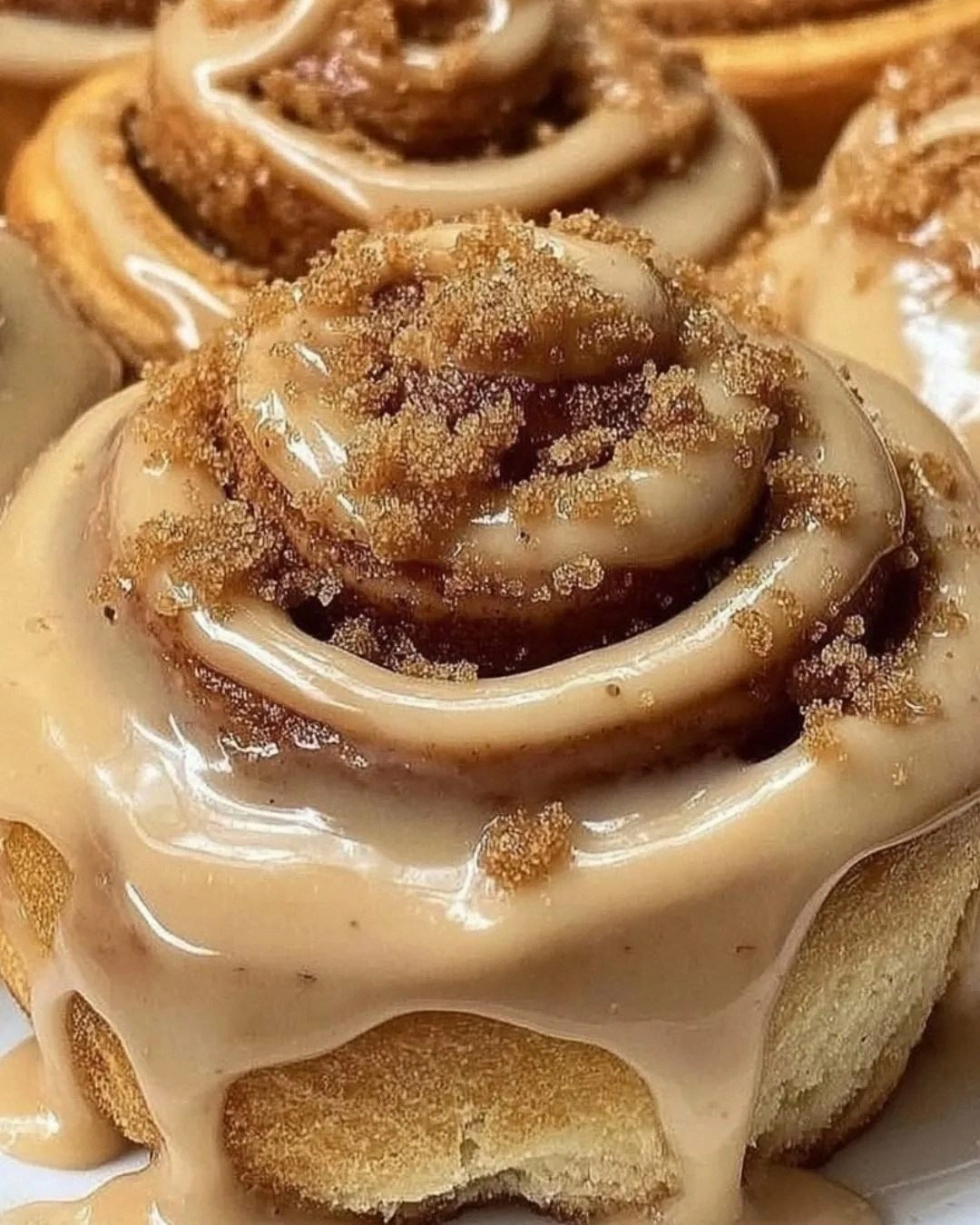
The moment the dough hits the counter, you’ll hear the faint whisper of butter melting into the flour, a sound that promises buttery layers to come. As the rolls rise, the kitchen fills with a scent that’s part cinnamon spice market, part Belgian speculoos bakery, and part grandma’s kitchen on a Sunday morning. When you finally slice into the warm, golden‑brown rolls, the filling oozes out like molten amber, and the first bite is a perfect collision of crunchy caramelized sugar and the deep, buttery depth of Biscoff. The texture is a paradox—soft, pillowy dough that gives way to a slightly crisp edge, and a filling that’s both creamy and slightly crunchy from the brown sugar crystals. It’s like a love story between a classic cinnamon roll and a modern cookie butter, and trust me, the chemistry is undeniable.
Most cinnamon roll recipes either drown in sugar or skimp on flavor, leaving you with something that tastes like a sweet roll without any soul. This version flips that script by incorporating a high‑quality Biscoff cookie butter, a touch of vanilla, and a secret technique of “double‑proofing” the dough, which gives the rolls an airy lift that you usually only get from a professional bakery. I’ll be honest — I ate half the batch before anyone else got a chance to try it, and I’m still not over the after‑taste. I dare you to taste this and not go back for seconds. If you’ve ever struggled with soggy centers or bland fillings, you’re not alone — and I’ve got the fix.
There’s a little twist that most people miss: a quick flash‑bake of the filling in a skillet before spreading it on the dough. This step caramelizes the sugars just enough to give you that satisfying snap when you bite, without turning the filling into a sticky mess. Okay, ready for the game‑changer? This next part? Pure magic. Let me walk you through every single step — by the end, you’ll wonder how you ever made it any other way.
What Makes This Version Stand Out
- Flavor Explosion: The Biscoff cookie butter adds a caramel‑spice depth that ordinary cinnamon sugar can’t match, turning each bite into a multi‑layered experience.
- Texture Harmony: A soft, airy crumb paired with a slightly crisp, caramelized edge creates a contrast that feels luxurious and comforting at the same time.
- Simplicity Meets Sophistication: Despite the impressive flavor profile, the ingredient list stays short and the steps are straightforward enough for a weekend home baker.
- Unique Ingredient: Biscoff cookie butter is the star, a secret weapon that most cinnamon roll recipes completely overlook.
- Crowd‑Pleaser: These rolls have a reputation for disappearing within minutes of coming out of the oven, earning rave reviews from kids and adults alike.
- Premium Quality: Using real unsalted butter and fresh yeast elevates the dough from “good” to “restaurant‑level.”
- Smart Cooking Method: The double‑proofing technique ensures a light, fluffy interior without the dense, bread‑like texture you get from a single rise.
- Make‑Ahead Potential: You can prep the dough and filling a day ahead, freeze the assembled rolls, and bake them fresh whenever the craving hits.
Inside the Ingredient List
The Flavor Base
All‑Purpose Flour (2 cups): This is the structural backbone of the roll. It provides the gluten network that traps the gases from the yeast, giving you that lift. If you swap it for whole‑wheat, you’ll get a denser roll with a nuttier flavor, but you’ll lose some of that classic softness. For the best results, sift the flour before measuring to avoid lumps.
Active Dry Yeast (1 tbsp): Yeast is the invisible magician that turns sugar into carbon dioxide, making the dough rise. Fresh yeast works too, but active dry is more reliable for home bakers. If you forget to activate it, you’ll end up with a flat, heavy roll—so always proof it in warm milk for 5 minutes.
The Texture Crew
Warm Milk (½ cup): Milk adds richness and helps dissolve the yeast evenly. Warm (not hot) milk activates the yeast without killing it. Using almond or oat milk works, but you’ll lose a bit of the buttery richness that dairy milk provides.
Unsalted Butter, Melted (¼ cup): Butter adds flavor and tenderness. Melt it gently so it stays liquid but not browned; this ensures it incorporates smoothly into the dough.
Granulated Sugar (¼ cup): Sugar feeds the yeast and sweetens the dough. If you prefer a less sweet roll, you can reduce this to 3 tablespoons, but the rise might be slightly slower.
Large Egg (1): The egg adds structure and a golden hue. It also contributes a subtle richness that complements the Biscoff filling.
Salt (½ tsp): Salt balances the sweetness and strengthens the gluten. Skipping it will result in a flat‑tasting roll.
Vanilla Extract (1 tsp): A splash of vanilla lifts the overall flavor, making the Biscoff and cinnamon sing together.
The Unexpected Star
Biscoff Cookie Butter (½ cup): This is the hero of the recipe. Its caramel‑spice notes blend perfectly with cinnamon, creating a depth that ordinary butter can’t achieve. If you can’t find Biscoff, try a homemade speculoos spread or a mix of caramel sauce with a pinch of ground ginger.
Brown Sugar, Packed (⅓ cup): Brown sugar adds moisture and a subtle molasses flavor, which enhances the caramel notes of the cookie butter.
Ground Cinnamon (2 tsp): The classic spice that defines a cinnamon roll. For a twist, try adding a pinch of cardamom or nutmeg.
Melted Butter for Filling (2 tbsp): This helps the filling spread evenly and adds a glossy finish.
The Final Flourish
Powdered Sugar (½ cup): Used for the glaze, it dissolves quickly and adds a sweet, glossy finish that balances the richness of the filling.
Milk for Glaze (1 tbsp) & Vanilla Extract (½ tsp): Together they create a smooth, drizzle‑ready glaze that sets into a thin, delicate crust.
Everything's prepped? Good. Let’s get into the real action...
The Method — Step by Step
In a small bowl, combine the warm milk (about 110°F/43°C) with the active dry yeast and a pinch of the granulated sugar. Stir gently and let it sit for 5‑7 minutes until it becomes frothy and bubbly. This is the moment of truth: if the mixture doesn’t foam, your yeast is dead, and you’ll need to start over.
While the yeast is proofing, whisk together the flour, remaining granulated sugar, and salt in a large mixing bowl. Make a well in the center, then pour in the melted butter, beaten egg, vanilla extract, and the frothy yeast mixture. Using a wooden spoon or a stand‑mixer's dough hook, mix until a shaggy dough forms.
Turn the dough onto a lightly floured surface and knead for about 8‑10 minutes, or until the dough is smooth, elastic, and no longer sticks to your hands. Tip: The dough should feel slightly tacky but not wet. If it’s too sticky, sprinkle a tablespoon of flour at a time.
Kitchen Hack: Let the dough rest for 5 minutes after kneading; this relaxes the gluten and makes the rolling out easier.Shape the dough into a ball, lightly oil a large bowl, place the dough inside, and cover with a damp towel. Let it rise in a warm spot for 1‑1½ hours, or until doubled in size. You’ll know it’s ready when the dough feels puffy and the surface looks slightly domed.
While the dough is rising, prepare the filling. In a small skillet over medium heat, melt the 2 tablespoons of butter, then stir in the brown sugar, Biscoff cookie butter, and cinnamon. Cook for 2‑3 minutes, stirring constantly, until the mixture thickens and the sugar dissolves completely. This quick caramelization step creates that glossy, slightly crunchy layer that makes the rolls unforgettable.
Watch Out: Keep the heat medium‑low; if the mixture scorches, the bitter taste will ruin the whole batch.Once the dough has doubled, punch it down gently to release excess air. Transfer it to a lightly floured surface and roll it into a rectangle about 12×18 inches, about ¼‑inch thick. The dough should be even; uneven thickness leads to uneven baking.
Brush the surface of the rolled dough with a thin layer of the melted butter (from the filling step) to help the filling adhere. Then, spread the Biscoff‑cinnamon mixture evenly, leaving a ½‑inch border around the edges. That border is crucial; it prevents the filling from spilling out during the roll.
Starting from the long side, tightly roll the dough into a log. Pinch the seam to seal, then cut the log into 12 equal pieces using a sharp, serrated knife. The cuts should be clean; a ragged edge will cause the rolls to separate while baking.
Arrange the rolls in a greased 9×13‑inch baking dish, spacing them just a finger’s width apart. Cover loosely with foil and let them proof again for 30‑40 minutes. This second rise, often called “proofing,” gives the rolls that airy, melt‑in‑your‑mouth crumb.
Preheat your oven to 375°F (190°C). Once the rolls have puffed up, remove the foil and bake for 20‑25 minutes, or until the tops are golden brown and the edges start pulling away from the pan. The aroma at this point is intoxicating—think cinnamon markets in Marrakech meeting a Belgian patisserie.
While the rolls are baking, whisk together the powdered sugar, milk, and vanilla extract to create a smooth glaze. When the rolls come out of the oven, drizzle the glaze over them while they’re still warm; the heat will melt the glaze into a silky sheen.
That’s it — you did it. But hold on, I’ve got a few more tricks that’ll take this to another level…
Insider Tricks for Flawless Results
The Temperature Rule Nobody Follows
Never, ever bake cinnamon rolls at a temperature lower than 350°F. A lower heat will dry out the dough before the center has a chance to rise, leaving you with a dense, rubbery texture. By cranking the oven up to 375°F, you create a rapid steam burst that expands the gluten pockets, giving you that coveted “pillowy” interior. I once tried baking at 325°F for “even cooking,” and the rolls turned out as tough as over‑cooked gnocchi. Trust the heat, and the rolls will reward you.
Why Your Nose Knows Best
When the rolls are baking, keep an eye (and nose) on them. Around the 15‑minute mark, you’ll notice a sweet, buttery perfume that signals the caramelization of the Biscoff filling. If that scent turns to a burnt, acrid note, the rolls are overcooking. The moment you smell that perfect blend of cinnamon and caramel, it’s time to pull them out.
The 5‑Minute Rest That Changes Everything
After you drizzle the glaze, let the rolls sit for exactly five minutes before serving. This short rest allows the glaze to set slightly, creating a glossy finish, while the interior continues to steam, staying ultra‑soft. Skipping this step results in a soggy glaze that slides off the plate.
Cold Butter, Warm Dough
When you melt the butter for the dough, let it cool to room temperature before mixing it in. Hot butter can kill the yeast, leading to a flat roll. The cool butter also helps keep the dough’s temperature stable, ensuring a consistent rise.
Freeze‑And‑Bake for Emergency Cravings
Assemble the rolls up to the second proof, then freeze them uncovered for up to 24 hours. When you’re ready, bake them straight from the freezer, adding an extra 5‑7 minutes to the bake time. The result is as fresh as if you’d just made them.
Creative Twists and Variations
This recipe is a playground. Here are some of my favorite ways to switch things up:
Nutty Delight
Add ¼ cup of chopped toasted pecans or walnuts to the filling before rolling. The nuts introduce a crunchy contrast that pairs beautifully with the smooth cookie butter.
Chocolate‑Swirl
Mix 2 tablespoons of melted dark chocolate into the Biscoff filling. The bittersweet chocolate deepens the flavor profile, making the rolls perfect for a post‑dinner treat.
Apple‑Cinnamon Fusion
Finely dice a small apple and fold it into the filling mixture. The apple adds a fresh, juicy bite that brightens the caramel notes and gives a subtle tartness.
Maple‑Bourbon Glaze
Replace the milk in the glaze with pure maple syrup and add a splash of bourbon. This gives the final product a warm, autumnal vibe that’s perfect for holiday brunches.
Vegan Version
Swap the butter for coconut oil, use a plant‑based milk, and replace the egg with a “flax egg” (1 tbsp ground flaxseed mixed with 3 tbsp water). The result is a dairy‑free roll that still boasts that luxurious texture.
Spiced Pumpkin
Incorporate ¼ cup of pumpkin puree into the dough and add a pinch of pumpkin pie spice to the filling. This variation turns the rolls into a seasonal favorite for October.
Storing and Bringing It Back to Life
Fridge Storage
Allow the rolls to cool completely, then place them in an airtight container or a zip‑top bag. Store in the refrigerator for up to 3 days. Reheat in a 350°F oven for 5‑7 minutes, or microwave for 15‑20 seconds per roll.
Freezer Friendly
Wrap each roll individually in plastic wrap, then place them in a freezer‑safe bag. They’ll keep for up to 2 months. When ready to bake, let them thaw at room temperature for 30 minutes, then bake as directed, adding a few extra minutes if needed.
Best Reheating Method
To bring back that fresh‑out‑of‑the‑oven texture, preheat your oven to 300°F, place the rolls on a parchment‑lined sheet, and add a tiny splash of water (about a teaspoon) to the pan before covering loosely with foil. The steam revives the softness, and the glaze re‑melts into a glossy finish.