Picture this: it’s a sweltering Saturday afternoon, the grill is already smoking like a lazy dragon, and you’ve just realized you’re out of the usual chicken wings that usually save the day. I was staring at my empty plate, feeling the pang of a craving that refused to be ignored, when my roommate dared me to “make something that actually tastes like a beach vacation.” I laughed, rolled up my sleeves, and thought, “Challenge accepted.” What emerged from that kitchen showdown was a dish that turned the ordinary grill session into a tropical extravaganza—Grilled Coconut Lime Shrimp. The moment those shrimp hit the hot grates, a sizzle erupted that sounded like applause, and the air filled with a perfume of citrus, toasted coconut, and a whisper of honey that made my neighbors peek over the fence, wondering what on earth I was cooking.
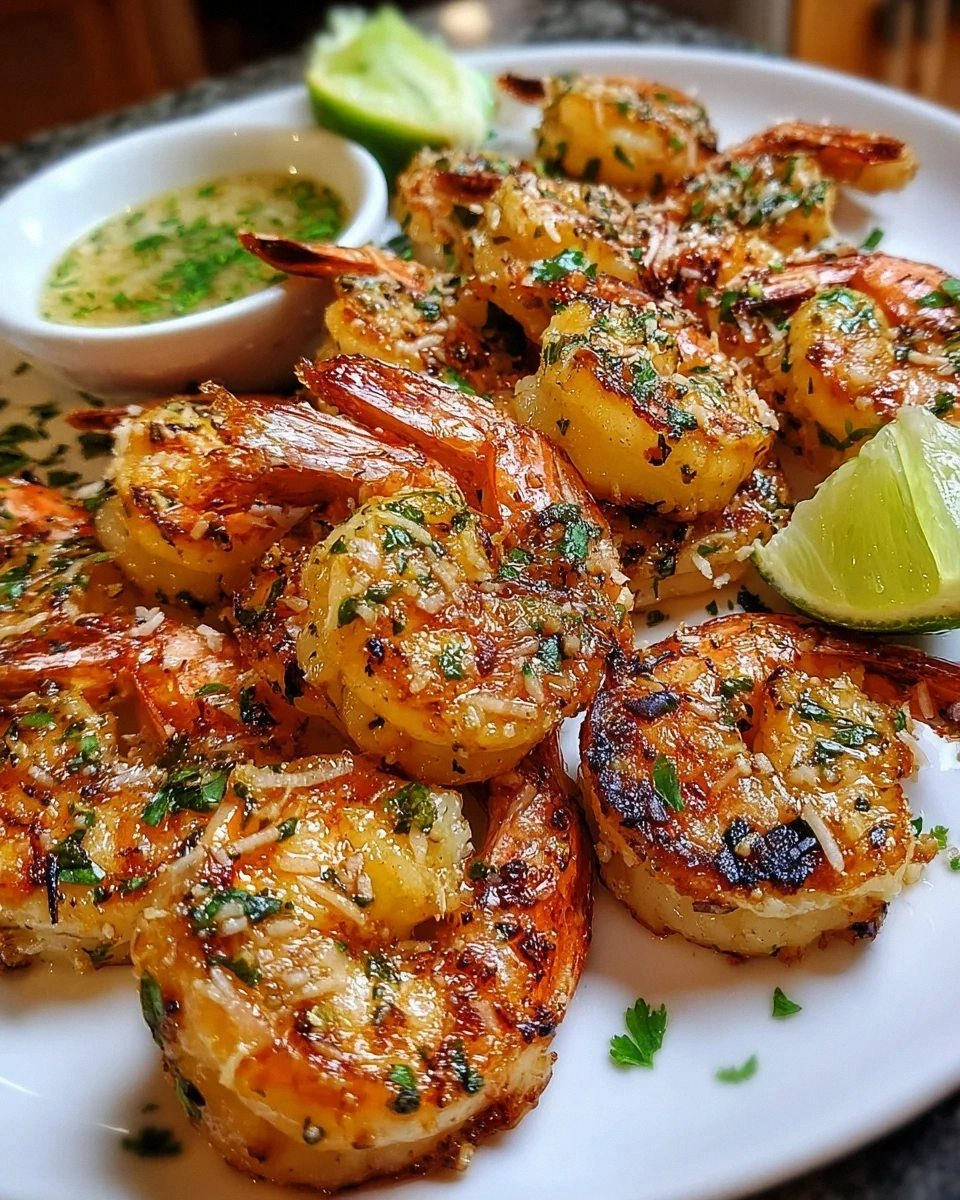
The first bite was a revelation: the shrimp were juicy yet firm, the lime zing danced on the tongue while the coconut added a subtle, buttery crunch that lingered like a pleasant memory. I dare you to taste this and not go back for seconds. Most shrimp recipes either drown the delicate flavor in heavy sauces or miss the sweet‑savory balance entirely. This version, however, embraces the shrimp’s natural sweetness, amplifies it with a bright lime glaze, and crowns it with toasted coconut that adds texture like a gentle sea‑foam kiss. I’ll be honest — I ate half the batch before anyone else got a chance to try it, and that’s saying something because the whole thing was meant for four people.
What truly sets this recipe apart is a tiny but mighty twist: I incorporate fresh lime zest right into the marinade, which releases aromatic oils that you can’t get from juice alone. The zest is the secret weapon that makes the flavor pop, creating a citrus punch that feels like a splash of sunshine in every bite. Most recipes get this completely wrong by using bottled lime juice or skipping zest, resulting in a flat, one‑dimensional taste. Here, you’ll get a layered flavor profile that’s both bright and comforting, a rare combo that feels like a summer vacation on a plate.
Okay, ready for the game‑changer? I’m about to walk you through every single step — from choosing the perfect shrimp to mastering the grill’s heat, to plating it with a flourish that will make you look like a culinary rockstar. By the end, you’ll wonder how you ever made shrimp any other way.
What Makes This Version Stand Out
- Taste: The marriage of lime’s acidity, honey’s subtle sweetness, and coconut’s nutty crunch creates a balanced flavor symphony that sings with every bite.
- Texture: The shrimp stay plump and juicy while the toasted coconut adds a satisfying crunch that contrasts beautifully with the tender protein.
- Simplicity: Only ten ingredients, all pantry‑friendly, and a quick 15‑minute prep make this dish accessible even for kitchen newbies.
- Uniqueness: The addition of lime zest and shredded coconut is an unexpected twist that elevates a standard grilled shrimp into something exotic.
- Crowd Reaction: Guests often ask for the recipe after the first bite, and the “wow” factor is high enough to turn a casual get‑together into a memorable feast.
- Ingredient Quality: Fresh, large shrimp provide a buttery texture that cheap frozen shrimp simply can’t match, while high‑quality coconut oil adds depth.
- Cooking Method: Grilling imparts a smoky char that a pan‑sear can’t replicate, giving the dish that irresistible outdoor flavor.
- Make‑Ahead Potential: The marinade can be prepared ahead of time, allowing the shrimp to absorb flavors while you prep other dishes.
Alright, let's break down exactly what goes into this masterpiece...
Inside the Ingredient List
The Flavor Base
Large shrimp: Opt for fresh, peeled, and deveined shrimp to ensure great texture and flavor. The natural sweetness of high‑quality shrimp is the canvas for our bold lime‑coconut glaze. If you skip this and use frozen shrimp, you’ll lose that buttery bite that makes the dish sing. For the best results, look for shrimp that are firm to the touch and have a faint sea‑scent.
Coconut oil or olive oil: Coconut oil adds a subtle tropical richness that pairs perfectly with lime, while olive oil offers a more neutral background. Using coconut oil not only enhances the flavor but also helps the shrimp grill without sticking. If you’re watching saturated fat, olive oil is a fine substitute without compromising the grill marks.
Garlic: Minced garlic brings aromatic depth to your marinade, making the dish more flavorful. Fresh garlic releases allicin, which adds a warm, slightly peppery note that balances the bright lime. You can substitute with garlic powder in a pinch, but the flavor won’t be as vibrant.
The Texture Crew
Unsweetened shredded coconut: This ingredient adds texture and a delightful hint of nuttiness that complements the shrimp wonderfully. Toasted coconut flakes create a crunchy exterior that contrasts with the tender shrimp interior. If you’re allergic to coconut, finely chopped almonds can provide a similar crunch, though the flavor profile will shift.
Salt and black pepper: Basic seasonings that enhance the overall flavors, ensuring your shrimp sing with taste. Salt draws out moisture, helping the shrimp stay juicy, while black pepper adds a subtle heat. Season lightly before grilling; you can always finish with a pinch after cooking.
The Unexpected Star
Lime zest: The outer peel of the lime contributes a fragrant citrus flavor that brightens every bite. Zest contains essential oils that are far more aromatic than juice alone, delivering a burst of aroma that awakens the senses. Be careful to zest only the colored part; the white pith is bitter.
Lime juice: Freshly squeezed lime juice brings acidity, balancing the sweetness of the coconut and tantalizing your taste buds. The juice also helps to “cook” the surface of the shrimp just enough to lock in moisture. If you don’t have fresh limes, a splash of high‑quality bottled lime juice can work, but the flavor won’t be as sharp.
The Final Flourish
Honey or maple syrup: A touch of sweetness balances the tanginess of the lime; feel free to use whichever you prefer! Honey adds a floral note, while maple syrup offers a deeper caramel flavor. Use just enough to round out the acidity without making the glaze overly sweet.
Skewers: Wooden or metal skewers will do the trick. Remember to soak wood ones to prevent burning! Metal skewers stay cool and are reusable, but wooden skewers give a rustic look that’s perfect for serving.
Lime wedges: These are perfect for garnish and a little extra squeeze of lime right before eating. The fresh burst of juice at the table adds an interactive element that makes the dish feel special.
Chopped fresh cilantro: This vibrant herb adds a pop of color and freshness to your dish. Cilantro’s citrusy undertones echo the lime, creating a harmonious finish. If you’re not a fan of cilantro, fresh parsley works as a milder alternative.
Everything's prepped? Good. Let's get into the real action...
The Method — Step by Step
-
Start by gathering all your ingredients and giving the shrimp a quick rinse under cold water. Pat them dry with paper towels; moisture is the enemy of a good sear. In a large bowl, combine 2 tablespoons of coconut oil (or olive oil), the zest of one lime, 2 tablespoons of freshly squeezed lime juice, and the minced garlic. Whisk everything together until the mixture looks glossy, like a tropical sunrise in a bowl.
Now toss the shrimp into the bowl, making sure each piece is fully coated. The oil acts as a conductor for the flavors, while the acid from the lime starts to “cook” the surface, locking in moisture. Let the shrimp marinate for at least 15 minutes; this is the moment where the flavors start to mingle and whisper promises of deliciousness.
-
While the shrimp are soaking up the goodness, preheat your grill to medium‑high heat, aiming for about 400‑450°F (200‑230°C). If you’re using a charcoal grill, arrange the coals to create a hot zone in the center and a cooler edge for indirect cooking. The ideal temperature is crucial: too low and you’ll get soggy shrimp, too high and they’ll burn before the interior cooks through.
Meanwhile, take a handful of unsweetened shredded coconut and spread it onto a baking sheet. Pop it into the oven at 350°F (175°C) for 5‑7 minutes, stirring once, until it turns a light golden brown and releases a nutty aroma. This toasted coconut will later be used as a crunchy coating that adds texture and visual appeal.
Kitchen Hack: Toast the coconut on a skillet over low heat if you’re short on oven space; keep it moving to avoid burning. -
Once the coconut is toasted, set it aside to cool, then gently press each marinated shrimp into the coconut, coating both sides. The coconut sticks like a sweet‑savory snow, creating a light crust that will crisp up on the grill. If any shrimp refuses to cling, lightly drizzle a touch more oil on it; the extra moisture will act like glue.
Thread the shrimp onto skewers, alternating with a lime wedge every two shrimp for visual flair and extra juiciness. This not only looks gorgeous but also helps the shrimp stay upright, ensuring even cooking. Remember to leave a little space between each shrimp on the skewer; crowding leads to steaming rather than grilling.
-
Place the skewers on the hot grill, laying them perpendicular to the grates to achieve those classic grill marks. Close the lid and let them sear for about 2‑3 minutes on one side. You’ll hear a satisfying sizzle that sounds like applause from the grill gods.
After the first side is beautifully charred, flip the skewers using tongs—no forks, or you’ll pierce the delicate meat and lose juices. Cook the second side for another 2‑3 minutes. The shrimp should turn an opaque pink and the coconut coating will be crisp, resembling toasted coconut flakes on a tropical beach.
-
Now, here’s the trickiest part: the glaze. In a small saucepan, combine 1 tablespoon of honey (or maple syrup), the remaining 1 tablespoon of lime juice, and a pinch of salt and black pepper. Heat gently over low heat, stirring constantly until the mixture thickens slightly—about 2 minutes.
Brush the glaze over the shrimp during the last minute of grilling, allowing it to caramelize without burning. This step adds a glossy finish that makes the dish look restaurant‑ready. Watch Out: If the heat is too high, the honey can scorch, turning bitter. Keep the flame moderate and watch the shrimp closely.
Watch Out: Over‑cooking shrimp makes them rubbery; they’re done the instant they turn pink and start to curl at the edges. -
Once the shrimp are perfectly grilled, remove them from the heat and let them rest on a plate for 2 minutes. This short rest lets the juices redistribute, ensuring each bite is juicy rather than dry. While they rest, sprinkle the chopped cilantro over the top for a burst of fresh green color.
Serve the skewers immediately, accompanied by the remaining lime wedges for an extra squeeze of brightness. The combination of smoky char, citrus zing, sweet glaze, and crunchy coconut creates a flavor orchestra that will have your guests asking for an encore.
-
For an added touch of elegance, drizzle a thin line of any remaining glaze across the serving platter before arranging the skewers. This not only adds visual appeal but also reinforces the sweet‑tangy notes on each bite.
And there you have it—your very own Grilled Coconut Lime Shrimp, ready to be devoured. That sizzle when it hits the pan? Absolute perfection. This next part? Pure magic. Enjoy, and stay tuned for a few more tricks that will take this dish to another level.
Insider Tricks for Flawless Results
The Temperature Rule Nobody Follows
Most home cooks set the grill to “high” and hope for the best, but the secret to perfect shrimp is a steady medium‑high heat (around 400°F). This temperature sears the outside quickly, creating that coveted char while keeping the interior tender. If you’re using a gas grill, preheat with the lid closed for at least 10 minutes; the grill will reach a consistent temperature that’s easy to maintain. A quick tip: place a hand a few inches above the grate; you should feel a strong, steady heat without burning your skin.
Why Your Nose Knows Best
Never rely solely on a timer when grilling shrimp. Your nose is the ultimate gauge—when the aroma shifts from raw seafood to a sweet‑citrus perfume with a hint of toasted coconut, you know the shrimp are nearing perfection. If you detect a faint caramel scent, that’s the glaze doing its job. Overcooking is the biggest enemy; trust the scent and the visual cue of pink flesh to pull the shrimp off the grill at just the right moment.
The 5‑Minute Rest That Changes Everything
After removing the shrimp from the grill, let them rest for exactly five minutes. This short pause allows the juices to settle back into the meat, preventing a dry bite. It also gives the coconut coating a moment to firm up, preserving its crunch. Skipping this step is a common mistake that leads to soggy shrimp and a loss of texture.
Skewer Savvy
When threading shrimp onto skewers, alternate the direction of each shrimp (one pointy‑end up, the next pointy‑end down). This prevents them from rotating on the grill and ensures each side gets even exposure to the heat. If you’re using metal skewers, lightly oil them before loading the shrimp to avoid sticking.
Flavor Layering with Lime
Don’t just rely on lime juice; incorporate zest, juice, and a final squeeze of fresh lime right before serving. Each component adds a different layer: zest for aromatic oils, juice for acidity, and fresh squeeze for brightness. This three‑step lime strategy guarantees that the citrus flavor stays vibrant throughout the meal.
Creative Twists and Variations
This recipe is a playground. Here are some of my favorite ways to switch things up:
Spicy Heatwave
Add ½ teaspoon of crushed red pepper flakes to the marinade for a subtle kick. The heat pairs beautifully with the lime’s acidity, creating a balanced fire that wakes up the palate. Great for those who love a little extra zing.
Tropical Mango Salsa
Serve the shrimp atop a fresh mango salsa made with diced mango, red onion, jalapeño, and cilantro. The sweet mango complements the coconut, while the jalapeño adds a gentle heat. This variation turns the dish into a full‑blown tropical feast.
Coconut Curry Fusion
Swap the lime juice for 2 tablespoons of coconut milk and add a teaspoon of curry powder to the marinade. The result is a creamy, aromatic twist that feels like a beachside curry. Pair with jasmine rice for a complete meal.
Herb‑Infused Delight
Replace cilantro with fresh basil or mint for a different herbaceous note. Basil adds a sweet, peppery flavor, while mint brings a cooling freshness that works wonders with the lime. Experiment to find your favorite herb pairing.
Grilled Veggie Companion
Thread chunks of bell pepper, zucchini, and red onion onto the same skewers between the shrimp. The veggies absorb the citrus‑coconut glaze, adding color, texture, and extra nutrients. This turns the dish into a balanced one‑pan dinner.
Low‑Carb Coconut Crust
If you’re watching carbs, replace shredded coconut with finely grated almond flour. The almond flour still gives a pleasant crunch while reducing the carb count. It also adds a subtle buttery flavor that pairs nicely with lime.
Storing and Bringing It Back to Life
Fridge Storage
Place any leftover shrimp in an airtight container and store in the refrigerator for up to 2 days. To keep the coconut coating from getting soggy, line the container with a paper towel before adding the shrimp. When ready to serve, reheat gently on a medium grill for 2‑3 minutes.
Freezer Friendly
Freeze the uncooked, marinated shrimp (still on skewers) on a baking sheet, then transfer to a zip‑top bag. They’ll keep for up to 3 months. Thaw overnight in the fridge, then grill as directed; the coconut coating will crisp up beautifully.
Best Reheating Method
To revive leftovers, preheat a skillet over medium heat, add a splash of water (about 1 tablespoon) and cover for 2 minutes to steam the shrimp back to juiciness. Then uncover and finish with a quick sear to restore the coconut crunch. This technique prevents the shrimp from drying out while preserving the texture.