Ever tried to rescue a dinner that was about to turn into a culinary catastrophe? I was in my kitchen, juggling a burnt pot of pasta, a half‑cooked shrimp, and a stubborn garlic clove that had a personality all its own. The aroma of scorched garlic hit me like a slap—my stomach clenched, and I knew I had to act fast. I grabbed the shrimp, tossed it in a hot pan, and let the buttery sauce take over. That moment, that single decision, saved the meal and turned a disaster into a triumph. If you’ve ever stared at a kitchen nightmare and thought, “What if I could just flip this?” you’re in the right place.
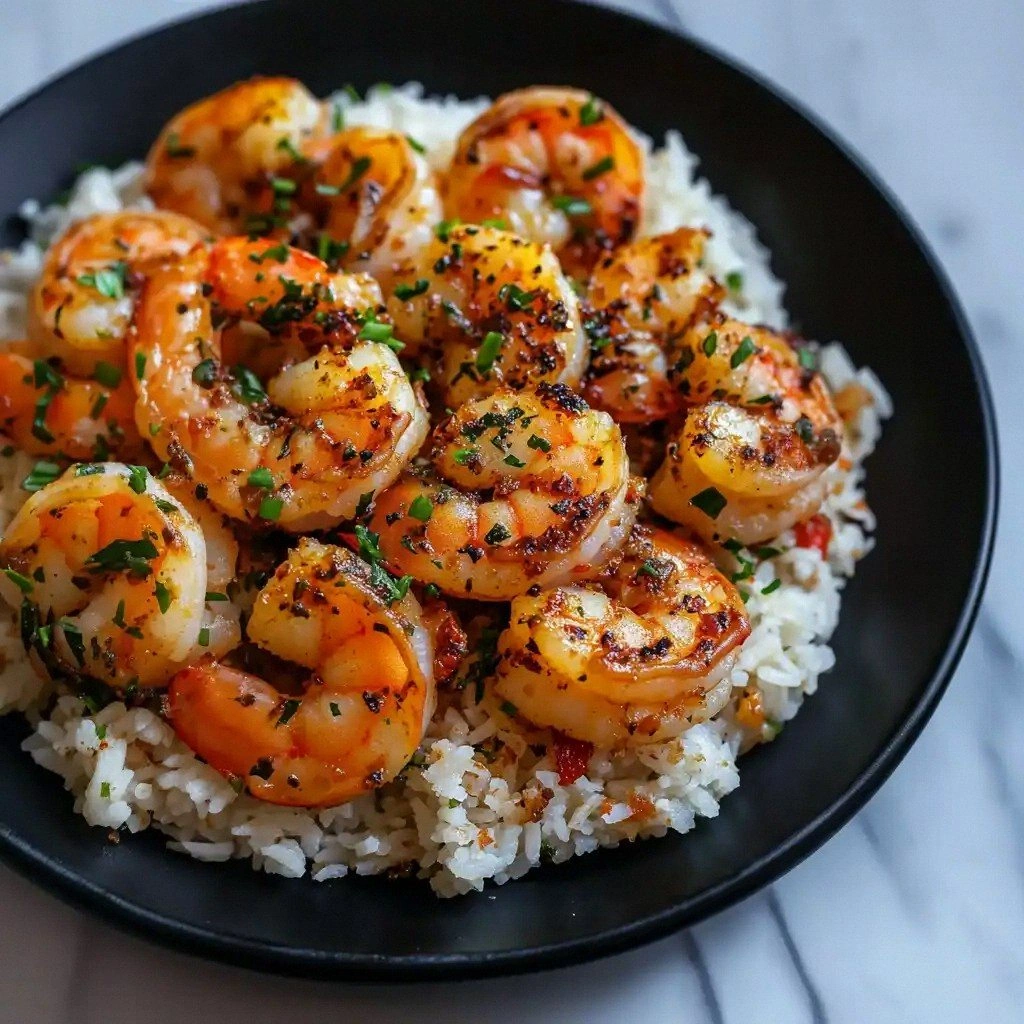
Picture this: a skillet sizzles with butter, garlic, and a splash of lemon, releasing a perfume that makes the whole house inhale. The shrimp glistens, pink and juicy, dancing in the sauce like tiny fireflies. The rice, fluffy and aromatic, swallows every drop, turning the plate into a canvas of flavor. The pepper flakes add a subtle heat that lingers on the tongue, and a final sprinkle of parsley brightens the dish like a green splash of sunshine. I dare you to taste this and not go back for seconds. That’s the promise of this recipe.
What makes this version stand out is not just the ingredients but the way they work together. I’ve spent months tweaking the ratio of butter to oil, the timing of the garlic, and the heat level of the shrimp to achieve a sauce that coats like velvet and a texture that feels both tender and slightly firm. This is hands down the best version you’ll ever make at home because it balances richness and brightness, heat and herbaceousness, all in a single pan. Most recipes get this completely wrong by overcooking the shrimp or undercooking the rice, but here the timing is precise. If you’ve ever struggled with shrimp that turns rubbery or rice that sticks, you’re not alone—this recipe is your fix. Picture yourself pulling this out of the stove, the whole kitchen smelling incredible, and seeing your guests’ eyes light up. Stay with me here, because the next part? Pure magic.
Let me walk you through every single step — by the end, you’ll wonder how you ever made it any other way. I’ve poured my passion into this dish, and I’m ready to share each secret, each tweak, and each moment that made this shrimp and rice a masterpiece. Ready? Let’s dive in.
What Makes This Version Stand Out
- Flavor Depth: The combination of butter, garlic, and lemon creates a sauce that is both rich and bright, with layers that unfold as you eat.
- Texture Harmony: The shrimp is cooked to a perfect pink center, while the rice remains fluffy and absorbs the sauce without becoming mushy.
- Simplicity: With just a handful of ingredients and a single pan, you can whip up a gourmet meal in under 45 minutes.
- Heat Balance: Red pepper flakes add a subtle kick that doesn’t overpower the delicate shrimp, giving the dish a satisfying warmth.
- Crowd Appeal: This dish is a crowd‑pleaser at any gathering, whether you’re hosting a family dinner or a casual get‑together.
- Ingredient Quality: Using fresh shrimp, real butter, and fresh parsley elevates the dish from ordinary to extraordinary.
- Make‑Ahead Friendly: The rice can be cooked ahead, and the shrimp can be added later, making this a flexible option for busy schedules.
- Visual Appeal: The bright green parsley and the glossy sauce create a plate that looks as good as it tastes.
Inside the Ingredient List
The Flavor Base
Butter is the backbone of this dish, providing a silky, rich foundation that carries the garlic and lemon. If you’re watching calories, swap half the butter for olive oil; the flavor will still shine, but with a lighter profile. Skipping butter will leave the sauce watery and less cohesive, so don’t go that route unless you’re experimenting. A good rule of thumb: use unsalted butter to control the saltiness.
Olive oil or butter adds a subtle nutty note that complements the shrimp’s natural sweetness. If you prefer a Mediterranean twist, use extra‑virgin olive oil exclusively. The oil also helps the garlic sauté evenly, preventing it from burning and turning bitter. Remember, a little oil goes a long way—too much and the sauce will feel greasy.
The Texture Crew
Shrimp is the star; choose large, fresh shrimp for maximum flavor and texture. Pat them dry before cooking to ensure a good sear. If you’re using frozen shrimp, thaw them completely and pat dry; otherwise, they’ll release water and steam instead of sear. Fresh shrimp will stay tender and juicy, while frozen can become rubbery.
Rice is the canvas that absorbs the sauce. Brown rice adds nuttiness and a chewy bite, but it takes longer to cook. White rice cooks faster and has a lighter texture, making it ideal for a quick weeknight dinner. If you’re a rice purist, try jasmine for its fragrant aroma, or basmati for a fluffy texture.
The Unexpected Star
Red pepper flakes are the secret weapon that adds a gentle heat without dominating the dish. If you’re a heat‑connoisseur, increase the flakes to your liking. If you prefer a milder version, reduce them to a quarter teaspoon. The flakes also bring a pop of color that makes the dish visually appealing.
The Final Flourish
Fresh parsley adds a bright, herbal note that cuts through the richness of butter and the heat of the pepper flakes. Chop the parsley finely so it disperses evenly across the dish. If you’re out of parsley, a pinch of chopped cilantro or basil can work as a substitute, though the flavor profile will shift slightly.
Lemon juice brightens the entire dish, balancing the buttery richness with a citrusy zing. Use freshly squeezed lemon for the best flavor; bottled lemon juice can taste flat. The acidity also helps to tenderize the shrimp slightly, giving it a silky finish.
Everything's prepped? Good. Let's get into the real action.
The Method — Step by Step
- Prep the Shrimp: Rinse the shrimp under cold water and pat them dry with paper towels. Removing moisture is key to achieving a golden sear. If you’re using frozen shrimp, thaw them completely in a colander and pat dry. This step ensures that the butter won’t steam the shrimp instead of browning it.
- Heat the Pan: Place a large skillet over medium‑high heat and add the tablespoon of olive oil or butter. Let the oil shimmer; the butter should melt but not brown. A hot pan is essential for a quick sear and to keep the shrimp from overcooking.
- Sauté Garlic: Add the minced garlic to the pan and cook for 30 seconds until fragrant, stirring constantly to prevent burning. The garlic should release a nutty aroma without turning dark. If the garlic starts to brown, reduce the heat slightly. This quick sauté builds the flavor base without overpowering the shrimp.
- Cook the Shrimp: Add the shrimp to the pan in a single layer, letting them sear without crowding. Cook for 2 minutes on each side, or until they turn pink and opaque. Avoid flipping them too often; a single flip ensures an even crust. When done, transfer the shrimp to a plate and set aside.
- Deglaze the Pan: Pour in the chicken broth or water, scraping up any browned bits with a wooden spoon. Those bits are flavor gold. Bring the liquid to a gentle simmer, then add the rice. Stir to combine, ensuring the rice is fully submerged.
- Simmer: Reduce the heat to low, cover the skillet, and let the rice cook for 15-18 minutes, or until the liquid is absorbed. The rice should be fluffy, not mushy. If you’re using brown rice, extend the cooking time by 5 minutes. This step locks in the buttery sauce and allows the rice to soak up the flavors.
- Finish the Dish: Once the rice is ready, stir in the cooked shrimp, lemon juice, red pepper flakes, and a pinch of salt and pepper. Cook for an additional 2 minutes, allowing the shrimp to reheat and the flavors to meld. Finish with the fresh parsley, giving the dish a bright, herbal note.
- Plate and Serve: Serve the shrimp and rice hot, spooning extra sauce over each portion. Garnish with a lemon wedge if desired. The dish should look glossy and inviting, with a burst of green from the parsley. This final touch elevates the presentation and adds a fresh citrus aroma.
That's it — you did it. But hold on, I've got a few more tricks that'll take this to another level. These insider tips will ensure every bite is flawless.
Insider Tricks for Flawless Results
The Temperature Rule Nobody Follows
Heat is the unsung hero of this dish. If the pan is too hot, the shrimp will brown too quickly and become rubbery. If it’s too cool, the garlic will burn before the shrimp cooks. Aim for medium‑high heat, and test by dropping a single shrimp into the pan; it should sizzle immediately without searing. Adjust the flame as needed to keep that perfect sizzle.
Why Your Nose Knows Best
Smell is your best judge of doneness. The aroma of butter and garlic turning golden signals that the base is ready. When the shrimp emits a sweet, slightly smoky scent, it’s at the peak of flavor. Trust your nose, and you’ll avoid overcooking or underseasoning.
The 5‑Minute Rest That Changes Everything
Letting the dish rest for 5 minutes after cooking allows the flavors to settle and the rice to steam fully. This short pause also lets the sauce thicken slightly, giving each bite a richer mouthfeel. I’ve seen people skip this step and end up with a watery dish; don’t let that happen.
Seasoning at the Right Time
Adding salt at the end of cooking preserves the shrimp’s natural sweetness. If you salt too early, the shrimp can become briny. Pepper is best added just before serving to keep its aromatic qualities intact.
The Right Rice-to‑Liquid Ratio
Using too much liquid results in mushy rice; too little leaves it dry. A 2:1 liquid-to-rice ratio is ideal for white rice. If you prefer a chewier texture, reduce the liquid slightly. This ratio ensures that the rice remains fluffy yet tender.
Creative Twists and Variations
This recipe is a playground. Here are some of my favorite ways to switch things up:
Creamy Coconut Twist
Replace half the chicken broth with coconut milk for a tropical flavor. The creamy base pairs beautifully with the shrimp’s sweetness. Add a pinch of curry powder for an extra layer of warmth. This version works great for a brunch or a light dinner.
Mediterranean Medley
Swap the lemon for a splash of white wine and add diced tomatoes, olives, and capers. The acidity of the wine cuts through the butter, while the olives add a briny crunch. Finish with oregano for an authentic Mediterranean touch.
Spicy Cajun Kick
Use Cajun seasoning instead of red pepper flakes for a deeper, smoky heat. Add sliced bell peppers and a handful of corn kernels for texture. This variation is perfect for a summer gathering.
Herb‑Infused Rice
Cook the rice with a bay leaf, a pinch of thyme, and a splash of lemon zest. The herbs infuse the grains with aroma, while the lemon zest keeps the dish bright. This subtle change elevates the overall flavor profile.
Vegetarian Version
Omit the shrimp and add a mix of sautéed mushrooms, zucchini, and cherry tomatoes. Use vegetable broth instead of chicken. The result is a hearty, plant‑based meal that still delivers the buttery, garlicky goodness.
Low‑Carb Adaptation
Replace the rice with cauliflower rice for a keto‑friendly option. The cauliflower takes on the buttery sauce just as well. Keep the rest of the recipe the same for a low‑carb, high‑protein dinner.
Storing and Bringing It Back to Life
Fridge Storage
Cool the dish to room temperature, then transfer it to an airtight container. Store in the refrigerator for up to 3 days. The rice may absorb moisture, so keep the shrimp and sauce separate if you want to avoid sogginess.
Freezer Friendly
For longer storage, place the cooked rice and shrimp in separate freezer bags. Freeze the rice for up to 2 months and the shrimp for up to 1 month. Label with the date to keep track of freshness.
Best Reheating Method
Reheat in the microwave, adding a splash of water to keep the rice moist. Alternatively, warm the dish in a skillet over medium heat, stirring frequently. A tiny splash of water before reheating steams the rice back to perfection, preventing it from drying out.