I burned dinner last Tuesday. Not the charming, slightly-charred kind that food bloggers call "caramelized." I'm talking full smoke-alarm, neighbor-knocking, dog-howling catastrophe. The culprit? A watery, bland zucchini sauce I'd been chasing for years. Every version tasted like hot lawn clippings. Every. Single. One. I stood in my kitchen waving a dish towel at the detector, thinking, "There has to be a better way." Spoiler: there is, and it doesn't involve crying into a pot of green mush.
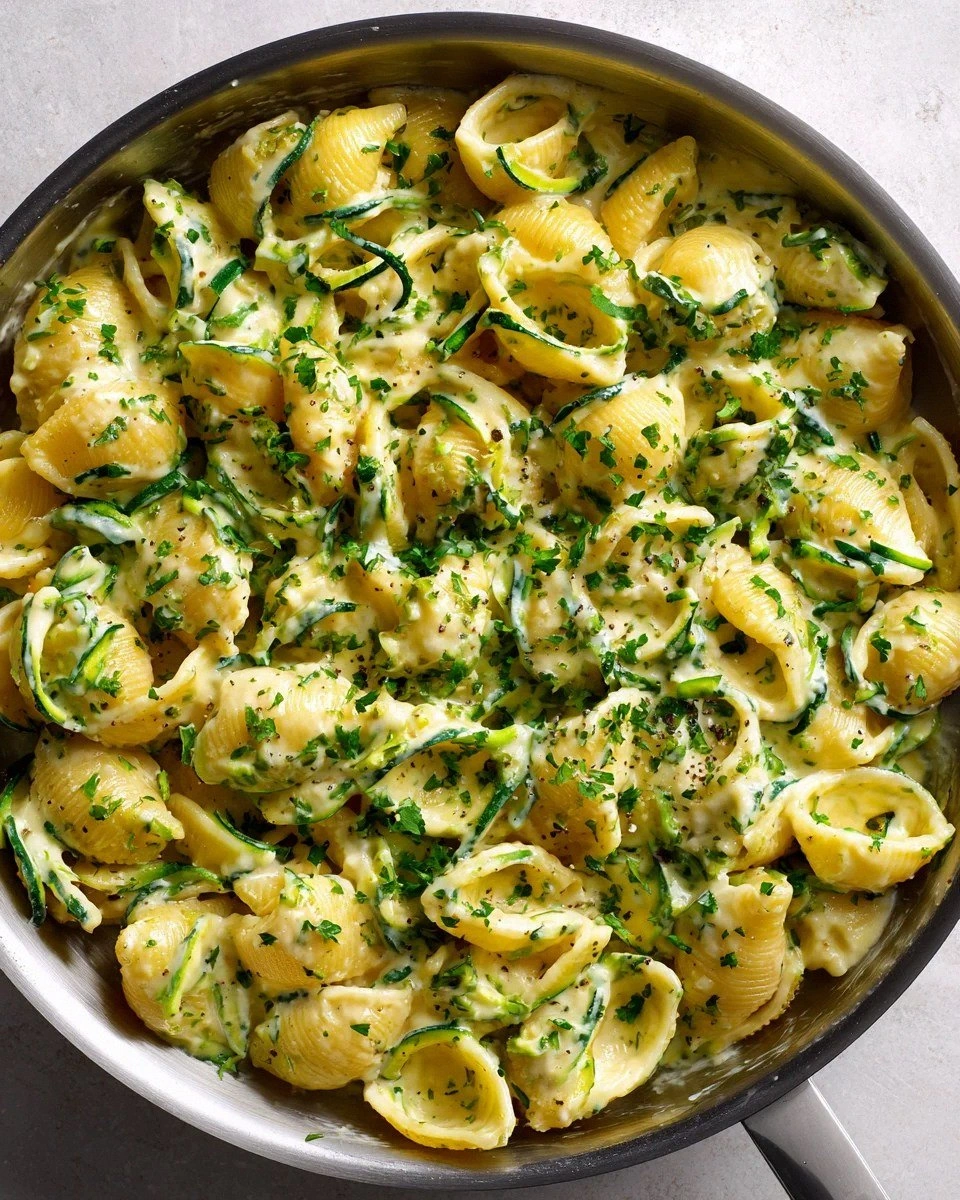
Fast-forward through three grocery runs, two mandoline near-misses, and one epiphany at 2 a.m. (yes, I was that person googling "why does my zucchini taste like sadness"). I finally cracked the code. The sauce I'm about to hand you is silky, garlicky, herb-bombed, and so addictive that my roommate caught her boyfriend eating it cold, straight from the fridge, with a slice of American cheese as a "dipper." I can't explain the cheese choice, but I get the impulse. This stuff is liquid gold.
Picture this: summer squash that melts into velvet, onions that dissolve into sweet confetti, and cream that wraps around pasta like it’s apologizing for every watery marinara you've ever endured. The herbs hit in waves—first basil, then oregano, then a cool minty finish that makes you blink and smile. I dare you to taste this and not go back for seconds. Actually, I dare you to make it to the table without "testing" half the pan. I'll be honest—I ate a full serving standing up at the stove, burning my tongue because I couldn't wait thirty seconds for it to cool.
What makes this version different? We treat zucchini like a tomato: we coax, we brown, we concentrate. Most recipes throw raw squash into liquid and wonder why it tastes like hot cucumber water. We’re going to sear it until the edges caramelize into dark-gold lace, then bathe it in cream so it thinks it’s on vacation in Naples. Stay with me here—this is worth it. Let me walk you through every single step—by the end, you'll wonder how you ever made it any other way.
What Makes This Version Stand Out
- Depth First: We brown the squash aggressively. Those crispy edges aren’t optional—they’re the smoky backbone that separates restaurant-level from cafeteria-sad.
- Triple-Herb Threat: Basil, oregano, and mint each get added twice: once to infuse the sauce, once to finish fresh. The result is a flavor echo that lingers like a good bass line.
- Cream Without the Coma: Just enough heavy cream for silk, not a lake. You’ll taste summer, not a cream bomb.
- One-Pan Wonder: No blender, no strainer, no babying. If you can wield a wooden spoon, you’re hired.
- Make-Ahead Hero: Tastes even better the next day, and it freezes like a dream for those "I can’t even" Wednesdays.
- Crowd Splitter: Vegetarians think it’s meaty; carnivores forget to ask where the beef is. I’ve seen both factions fight over the last spoonful.
- Healthy-ish: Two and a half pounds of vegetables disappear into four servings. You’re basically eating a farmer’s market in noodle form.
Alright, let's break down exactly what goes into this masterpiece...
Inside the Ingredient List
The Flavor Base
Zucchini carries a bad reputation for being the wet sock of the produce aisle. Buy small, firm ones—no bigger than your forearm. Oversized specimens are packed with water and seeds that taste like bitter cotton. If you can only find the baseball-bat kind, scoop the seedy core out with a spoon. You want two and a half pounds after trimming, so grab three pounds at the store; you’ll lose weight in tops, tails, and those sneaky spongy centers.
Sweet onion is non-negotiable. Yellows turn jammy; reds stay sharp. Dice it small so it melts into the oil and becomes invisible sweetness. Skip onion powder—it tastes like dusty tears. Extra-virgin olive oil needs to be the good stuff, fruit-forward and green. This is an Italian sauce, not a diet plate. The oil carries the herbs; cheap bottles taste like melted crayons.
The Texture Crew
Heavy cream sounds indulgent, but we’re only using a cup for the entire pot. Think of it as diplomatic liaison between vegetables and pasta. You can sub half-and-half if you must, but the sauce will be thinner and you’ll need to simmer longer. Coconut milk works for dairy-free friends; add a squeeze of lemon to cut the tropical note.
Romano brings salty funk that Parmesan only wishes it had. Buy a wedge and grate it yourself; the pre-shredded stuff is coated in cellulose and tastes like cardboard snow. No Romano? Use aged Asiago or Pecorino. Skip the green can—this is not the time for childhood nostalgia.
The Unexpected Star
Fresh herbs or bust. Dried basil tastes like old hay; dried mint tastes like toothpaste from 1987. If you can’t find fresh mint, skip it rather than substituting extract. The crushed red-pepper flakes are optional but highly recommended; they don’t make the sauce spicy, they make it alive. A pinch is literally what you can hold between thumb and forefinger—no more.
The Final Flourish
We add a second round of fresh herbs right before serving. Heat dulls brightness, so this last-minute shower wakes everything up. Chop with sharp scissors directly over the pot so the volatile oils rain down. If you’re tempted to skip this step, remember: you don’t skip mascara before a date, do you?
Everything's prepped? Good. Let's get into the real action...
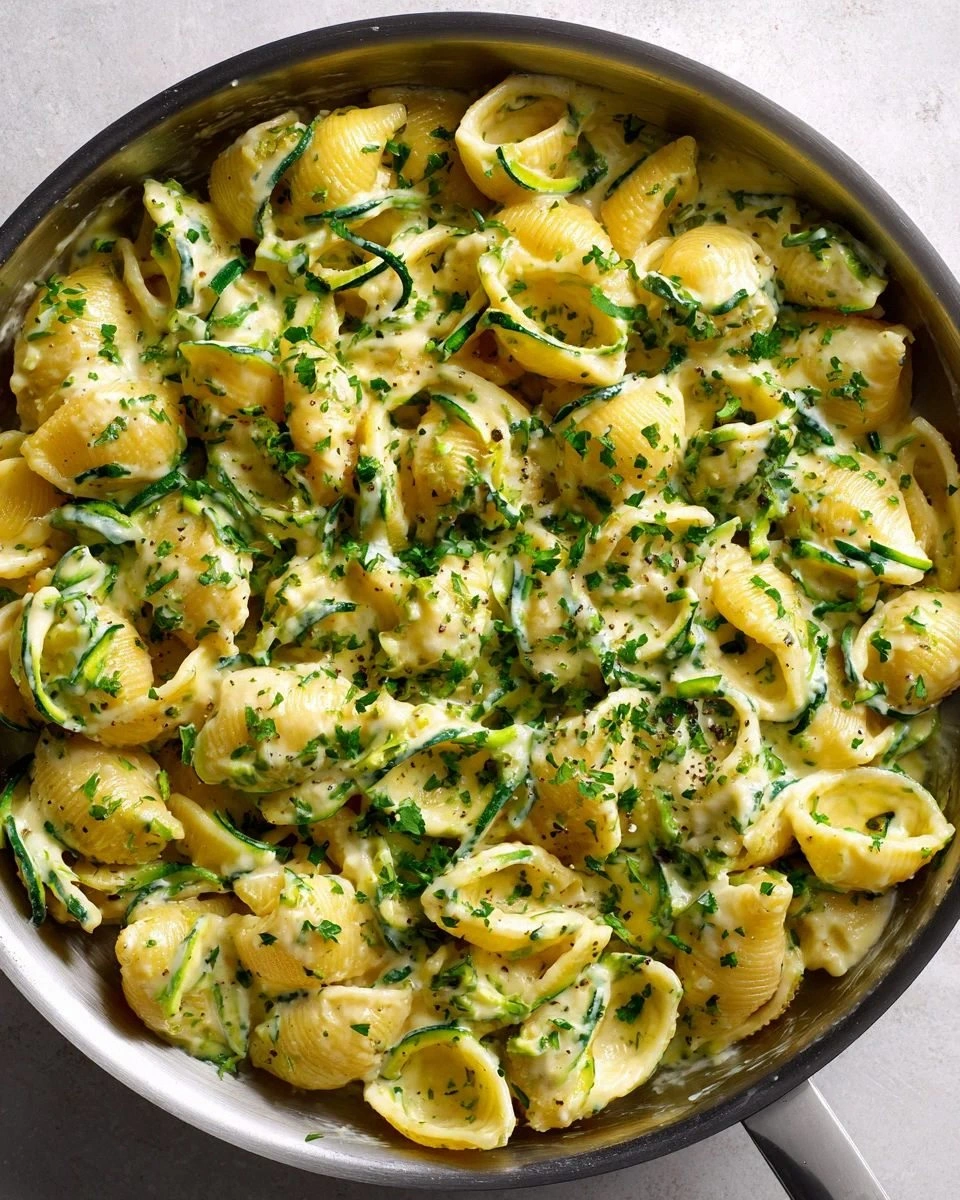
The Method — Step by Step
- Set a wide, heavy pot over medium-high heat and pour in the olive oil. You want the oil to shimmer like a mirage but not smoke. While it heats, pat the zucchini coins dry with paper towels—any lingering water will steam instead of sear. That sizzle when it hits the pan? Absolute perfection. Spread the slices in a single, bossy layer and walk away for three minutes. Seriously, no stirring. Let them develop a deep-gold crust that smells like popcorn and summer squash had a beautiful baby.
- Flip each coin with tongs. Yes, this takes a minute, but it’s meditative. Think of it as zucchini yoga. The second side won’t color as much, but that’s fine—you’re building layers. Once both sides are mottled, shove them to the perimeter and drop the diced onion into the center. The onion will drink up the oil and start turning translucent, sweet, and soft. Stir everything together; the squash will break into half-moons. That’s the goal.
- Add the crushed red-pepper flakes and garlic. Here’s the thing about garlic: if it goes in too early, it burns and tastes like acrid perfume. Thirty seconds is all it needs—just until your kitchen smells like you’ve been kissed by an Italian grandmother. Season with salt and pepper. The salt pulls moisture out of the vegetables and starts the self-sauce process.
- Reduce the heat to medium-low and tumble in half the chopped basil, oregano, and mint. Stir until the herbs darken and look like little green confetti. They’ll hiss and stick—scrape them up. Those browned bits are pure flavor crystals. If you've ever struggled with bland vegetable sauces, you're not alone—and I've got the fix. The secret is this caramelization step; skip it and you're back to hot lawn clippings.
- Pour in the heavy cream. It will bubble up like a teenage science experiment. Stir to deglaze, scraping the bottom so every speck of gold dissolves. The sauce will turn the color of antique linen. Let it simmer gently for five minutes; it should thicken enough to coat the back of a spoon. If it looks like soup, keep simmering. If it looks like paste, splash in a quarter-cup of pasta water. You want the texture of melted gelato—loose but luscious.
- Meanwhile, cook your pasta in aggressively salted water. I mean ocean-level salty. The sauce is mellow; the noodles need to stand up and sing. Stop the cooking two minutes before al dente; they’ll finish in the sauce. Drag them straight from pot to pan with tongs—don’t dump through a colander and rinse off the starch. That starch helps the sauce cling like static-charged socks.
- Add the grated Romano to the zucchini cream and stir until it melts into glossy strings. Taste and adjust salt; the cheese is salty, so you might not need more. Toss in the pasta and flip everything together until each tube or strand is lacquered. Turn off the heat and shower on the remaining fresh herbs. The residual warmth will wake them up without murdering their color. Serve immediately in warm bowls, preferably with a hunk of crusty bread to swipe the pan. Picture yourself pulling this out of the oven, the whole kitchen smelling incredible, your roommate hovering with a fork like a seagull at the beach.
That's it—you did it. But hold on, I've got a few more tricks that'll take this to another level...
Insider Tricks for Flawless Results
The Temperature Rule Nobody Follows
Medium-high for searing, medium-low for simmering. Most home cooks hover in the wishy-washy middle and wonder why nothing browns. High heat drives off moisture and creates fond; low heat keeps cream from breaking. If your burner runs hot, stack two pans to diffuse. If it runs cold, extend searing time by a minute, not by cranking the knob higher and scorching dinner.
Why Your Nose Knows Best
When the garlic is ready, you’ll smell sweet, toasted perfume. When the herbs are ready, you’ll smell pizza-parlor nostalgia. When the cream is reduced, you’ll smell buttery hazelnuts. Trust your nose more than the clock; stoves vary, nostrils don’t. A friend tried skipping this step once—let’s just say it didn’t end well. She served beige soup and called it "rustic." Don't be rustic. Be intentional.
The 5-Minute Rest That Changes Everything
After you toss the pasta, let the pan sit off heat for five minutes. The sauce tightens, the cheese relaxes, and the flavors marry. Cover loosely with a lid so it stays warm but can breathe. This rest turns good pasta into restaurant pasta. Use the time to set the table, pour wine, or shoo people out of the kitchen so you can lick the spoon in peace.
Cheese Choice = Flavor Dial
Romano is sharp and sheepy; Parmesan is nutty and mellow. Mix them fifty-fifty for complexity. Vegans can swap in two tablespoons of white miso plus a handful of toasted breadcrumbs for umami. It won’t be the same, but it’ll be delicious in its own right. And now the fun part...
Creative Twists and Variations
This recipe is a playground. Here are some of my favorite ways to switch things up:
Lemony Spring Version
Swap mint for dill, add the zest of one lemon with the cream, and finish with a squeeze of juice. Serve over angel hair and top with shaved raw zucchini ribbons for crunch. Tastes like sunshine on a patio.
Smoky Southwest
Sub poblano for half the zucchini, use cilantro instead of mint, and add a teaspoon of smoked paprika. Stir in roasted corn kernels and cotija. Serve over rice or scoop with tortilla chips. Margaritas mandatory.
Chunky Garden
Cut zucchini into half-moons instead of coins so it stays toothsome. Add a diced yellow bell pepper with the onion. Finish with toasted pine nuts and golden raisins for Sicilian sweet-savory vibes.
Creamless Vegan
Replace cream with coconut milk and stir in two tablespoons of cashew butter for body. Use nutritional yeast instead of cheese. The sauce becomes silky and slightly tropical—surprisingly addictive.
Seafood Supper
Fold in seared scallops during the final two minutes. Their sweetness plays off the herbs like a jazz duet. Add a splash of white wine to the cream for briny depth.
Breakfast Remix
Stir in halved cherry tomatoes and crack four eggs into wells in the sauce. Cover and poach until the whites set but yolks run. Serve with toast soldiers for the most luxurious brunch that doesn’t cost twenty dollars a person.
Storing and Bringing It Back to Life
Fridge Storage
Cool the sauce completely, then spoon into glass jars with tight lids. It keeps five days, though it rarely lasts three in my house. Press a piece of plastic wrap directly onto the surface to prevent that weird skin. Reheat gently with a splash of water or milk; microwave at 70% power in thirty-second bursts, stirring each time.
Freezer Friendly
Portion into silicone muffin trays, freeze solid, then pop out the hockey pucks into a zip-top bag. Each puck is roughly half a cup—perfect for single servings. Thaw overnight in the fridge or drop frozen into a small pot over low heat with a lid. It will look separated at first; whisk like you mean it and it’ll come back together.
Best Reheating Method
Low and slow wins. Add a tablespoon of water per serving, cover, and warm over medium-low, stirring often. If it’s too thick, loosen with pasta water or broth. Add a fresh pinch of herbs at the end to wake it up. Add a tiny splash of water before reheating—it steams back to perfection and tastes almost as bright as day one.