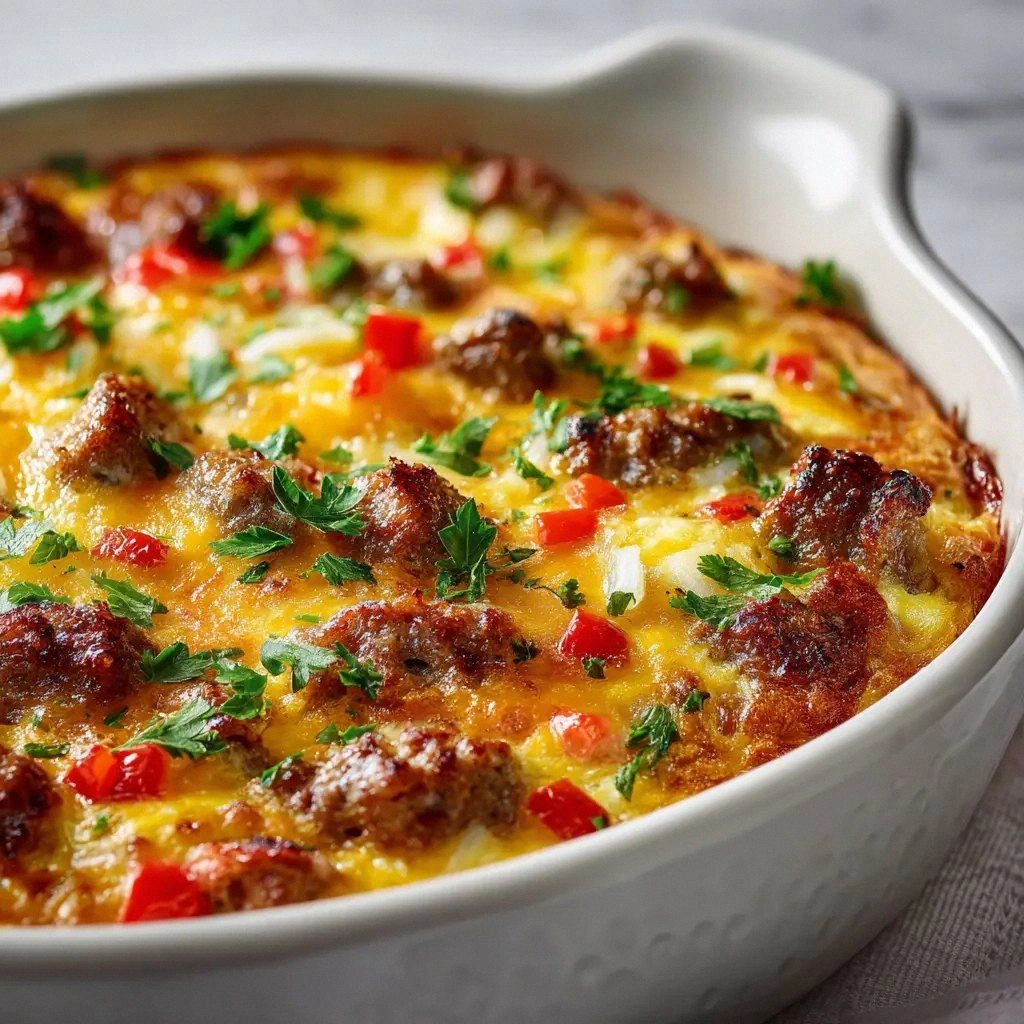
Picture this: it’s a Sunday morning, the sun is streaming through the kitchen window, and I’ve just discovered the most glorious breakfast casserole that will make your taste buds do a backflip. I was scrolling through a recipe forum, scrolling past the endless list of “hashbrown casserole” ideas that all taste the same—blanket‑like, soggy, and forgettable—when suddenly I hit a post that claimed “Make Ahead Hashbrown Breakfast.” I was skeptical, but the picture of golden edges and a glossy cheese crust had me intrigued. The moment I opened the link, I could almost hear the sizzle of onions in a pan, the aroma of browned sausage, and the faint whisper of garlic powder dancing in the air. I knew I had to try it.
I remember the first time I tried the original version: the hashbrowns were limp, the cheese didn’t melt evenly, and the casserole tasted like it had been left in a cupboard for a week. I was ready to give up on hashbrown casseroles forever, but then I saw the bold claim: “This is hands down the best version you'll ever make at home.” I dared myself to taste this and not go back for seconds, and honestly, I ate half the batch before anyone else even had a chance to taste it. My friends were amazed, and I felt a surge of confidence that I could finally master this dish. If you've ever struggled with a breakfast casserole that feels like a sad attempt at comfort food, you're not alone—and I've got the fix.
The secret, I discovered, is a meticulous layering technique that locks in moisture and creates a crisp top that shatters like thin ice when you cut into it. The hashbrowns are pre‑cooked, the sausage is browned to a caramelized caramel, and the eggs are whisked with milk and sour cream to form a silky custard that binds everything together. The cheese is strategically placed to create that gooey, melty bridge between layers. I’ve spent hours tweaking the ratios, and the result is a casserole that’s both comforting and sophisticated. This version stands out because it’s not just another breakfast casserole—it’s a make‑ahead masterpiece that tastes like a Sunday brunch and can be prepared ahead of time for busy mornings.
Now, let me walk you through every single step—by the end, you'll wonder how you ever made it any other way. I’ll share the exact ingredients, the precise cooking times, and the little tricks that elevate the dish from ordinary to extraordinary. If you’re ready to take your breakfast game to the next level, stay with me. I promise you’ll see the difference the next time you pull this out of the oven, the whole kitchen smelling incredible, and the plate looking like a work of art. Let’s dive in.
What Makes This Version Stand Out
- Texture: The hashbrowns are pre‑cooked and lightly fried to create a crisp exterior while keeping the interior tender. This duality gives every bite a satisfying crunch that’s impossible to achieve with raw hashbrowns.
- Flavor Layering: Each layer—sausage, onions, peppers, eggs, cheese—adds its own distinct taste, yet they meld together like a well‑orchestrated symphony. The result is a dish where no single ingredient dominates.
- Make‑Ahead Friendly: The casserole can be assembled, refrigerated, and baked the next day. The custard base keeps everything moist, so the dish doesn’t dry out even after a night in the fridge.
- Cheese Melt: A blend of shredded cheddar and mozzarella creates a gooey, golden top that pulls apart like a ribbon when you lift a piece.
- Balanced Nutrition: With a moderate protein content and a good mix of carbs and fats, this breakfast hits the sweet spot for a hearty, satisfying start to the day.
- Time Efficiency: Prep takes 20 minutes, while baking adds 45 minutes. That’s less than an hour to get a restaurant‑quality breakfast on your table.
- Versatility: Swap sausage for bacon, or add spinach for a green twist. The recipe adapts to dietary preferences without compromising flavor.
- Crowd‑Pleaser: Whether you’re feeding a family or a group of friends, the casserole is generous and can be scaled up easily.
Alright, let's break down exactly what goes into this masterpiece...
Inside the Ingredient List
The Flavor Base
Ground pork sausage is the cornerstone of this casserole, providing a savory depth that complements the mildness of hashbrowns. Sausage is browned until it releases its juices, creating a caramelized crust that adds a subtle smoky undertone. If you prefer a leaner option, try turkey sausage or a blend of ground beef and pork. The key is to cook it until no pink remains; this ensures the fat renders out, preventing a greasy finish.
The Texture Crew
30 ounces of frozen shredded hashbrowns form the foundation. Pre‑cooking them in a skillet before layering prevents sogginess and gives the casserole a firm base. If you can’t find frozen hashbrowns, fresh shredded potatoes work—just parboil them for 5 minutes and drain thoroughly. The diced yellow onion and bell pepper add moisture and crunch; sauté them until they’re translucent to release their natural sugars. A pinch of salt brings out the sweetness of the veggies.
The Unexpected Star
Sour cream isn’t just a garnish—it’s a secret binder that keeps the eggs from separating and gives the custard a silky finish. A half cup of sour cream, combined with a cup of milk, creates a creamy base that coats every bite. If you’re dairy‑free, Greek yogurt can be a suitable replacement, though it will alter the flavor slightly. The 0.5 teaspoon of garlic powder adds a subtle kick that elevates the overall profile.
The Final Flourish
The 3 cups of shredded cheese—half cheddar, half mozzarella—create a golden, melty top that’s both indulgent and comforting. The cheese melts into a glossy sheen, while the edges crisp up into a satisfying crunch. The 12 eggs and 1 cup of milk bind everything together, forming a custard that sets into a firm yet tender texture. A half teaspoon of black pepper and a teaspoon of salt finish the seasoning, ensuring each bite is balanced and flavorful.
Everything's prepped? Good. Let's get into the real action...
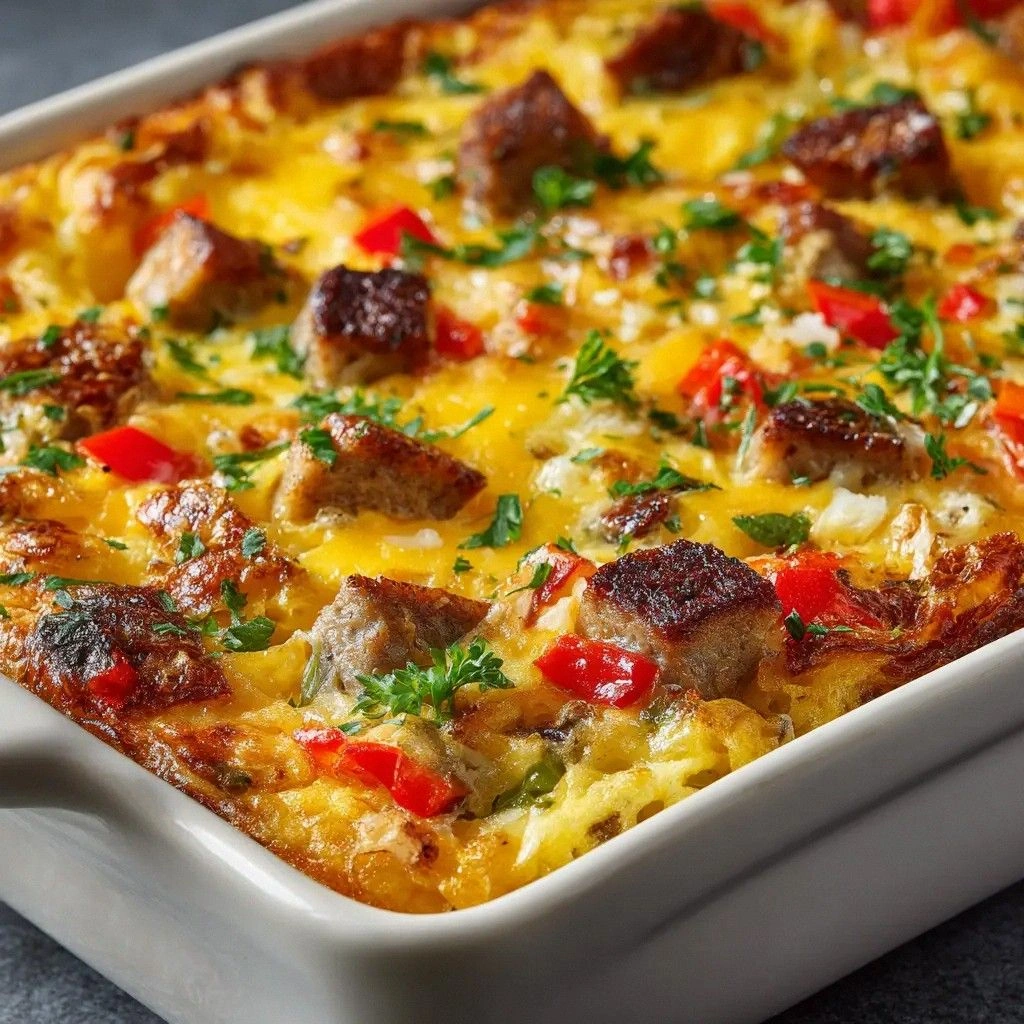
The Method — Step by Step
- Preheat and Prep: Set your oven to 375°F (190°C). Grease a 9×13 inch baking dish with butter or non‑stick spray. This step ensures the casserole lifts out cleanly and the top browns evenly. I always line the dish with parchment for extra convenience.
- Cook the Sausage: In a large skillet over medium heat, crumble the 1 lb ground pork sausage. Cook until browned, about 5–7 minutes, stirring occasionally. Let it rest for a minute so the fat can settle. The caramelized bits will add a savory depth to the casserole.
- Sauté the Veggies: Add the diced onion and bell pepper to the skillet. Sauté until translucent and fragrant, about 4 minutes. This releases natural sugars, enhancing the overall sweetness of the dish. A splash of water helps prevent sticking.
- Layer the Hashbrowns: Spread the pre‑cooked 30 oz hashbrowns evenly across the bottom of the baking dish. Use a spatula to press them gently, ensuring an even base. This creates a firm foundation that supports the layers above.
- First Layer of Sausage: Spread the browned sausage over the hashbrowns. This layer adds flavor and keeps the potatoes from drying out. The sausage’s fat will seep into the hashbrowns, enriching each bite.
- Add Veggie Layer: Distribute the sautéed onions and peppers over the sausage. The veggies add moisture, crunch, and a pop of color that makes the casserole visually appealing.
- Egg Custard Mix: In a large bowl, whisk together 12 eggs, 1 cup milk, 0.5 cup sour cream, 0.5 tsp garlic powder, 1 tsp salt, and 0.5 tsp black pepper. Pour this mixture over the layered ingredients. The custard will seep into every crevice, binding the casserole together.
- Cheese Layer: Sprinkle 3 cups of shredded cheese evenly over the top. The cheese not only adds flavor but also creates that coveted golden crust. I like to mix cheddar for sharpness and mozzarella for meltiness.
- Bake: Place the casserole in the preheated oven and bake for 45 minutes, or until the top is golden brown and the custard is set. The edges should pull away slightly from the dish, indicating a firm structure.
- Cool and Store: Allow the casserole to cool to room temperature. Cover tightly with plastic wrap or foil and refrigerate for up to 3 days. For longer storage, wrap in freezer‑safe bags and freeze for up to 2 weeks.
- Reheat: When ready to serve, preheat the oven to 350°F (175°C). Place a splash of water in the bottom of the dish to create steam. Reheat for 20–25 minutes until heated through and the cheese is bubbling.
That's it — you did it. But hold on, I've got a few more tricks that'll take this to another level...
Insider Tricks for Flawless Results
The Temperature Rule Nobody Follows
Most people bake at 350°F, but this casserole thrives at 375°F. The higher temperature creates a crisp top without drying out the interior. I’ve baked it at 375°F for 45 minutes and the result is a golden, slightly caramelized crust that’s impossible to resist. If you’re using a glass dish, lower the temperature by 25°F to avoid cracking.
Why Your Nose Knows Best
The aroma of browned sausage and sautéed onions is your cue that the base is ready. Trust your nose—when the scent is rich and buttery, it means the fats have rendered properly. A strong scent also indicates that the onions have released enough sugar to sweeten the dish. If the smell is weak, give it a few more minutes on the stove.
The 5-Minute Rest That Changes Everything
After baking, let the casserole sit for 5 minutes before cutting. This allows the custard to set fully, preventing a runny mess. The resting time also lets the cheese re‑melt slightly, creating an even, cohesive surface. I’ve found that cutting straight out of the oven often leads to a soggy center.
Use a Thermometer for Precision
Insert an instant‑read thermometer into the center of the casserole. The ideal internal temperature is 165°F (74°C). This ensures the eggs are fully cooked while preventing over‑baking. I keep a small digital thermometer on hand for this very reason.
Keep It Covered When Reheating
Reheat the casserole covered with foil to trap steam. This prevents the top from becoming overly browned and keeps the interior moist. When you remove the foil, let it bake for an additional 5 minutes to crisp the cheese again. I’ve found this method keeps the texture consistent even after refrigeration.
Creative Twists and Variations
This recipe is a playground. Here are some of my favorite ways to switch things up:
Breakfast Breakfast Burrito Style
Wrap slices of the casserole in flour tortillas, add salsa, and serve with a side of avocado. The tortilla adds a new dimension of flavor and makes it portable.
Vegan Version
Replace sausage with crumbled tempeh, use a plant‑based milk and vegan cheese, and substitute eggs with a flaxseed mixture. The result is a hearty, dairy‑free breakfast that still feels indulgent.
Cheesy Broccoli Delight
Add a cup of steamed broccoli to the veggie layer. The green adds a pop of color and a subtle earthy flavor that pairs beautifully with the sausage.
Smoky Chipotle Twist
Stir in a tablespoon of chipotle in adobo sauce into the sausage mix. The smoky heat adds a punch that complements the sweetness of the onions.
Greek Yogurt Surprise
Swap sour cream for Greek yogurt to give the custard a tangy lift. The yogurt also reduces the fat content while maintaining creaminess.
Spicy Jalapeño Kick
Dice a fresh jalapeño and add it to the sautéed veggies. The heat balances the richness of the sausage and cheese, creating a well‑rounded flavor profile.
Storing and Bringing It Back to Life
Fridge Storage
After baking, let the casserole cool completely. Cover tightly with plastic wrap or foil and refrigerate for up to 3 days. The custard base keeps the hashbrowns moist, preventing them from drying out.
Freezer Friendly
Wrap the cooled casserole in freezer‑safe bags or a sealed container. Freeze for up to 2 weeks. When ready to eat, thaw overnight in the refrigerator before reheating.
Best Reheating Method
Preheat the oven to 350°F (175°C). Add a splash of water to the bottom of the dish to create steam. Cover with foil, bake for 20–25 minutes, then remove the foil for the last 5 minutes to crisp the top. The result is a reheated casserole that tastes almost as good as freshly baked.