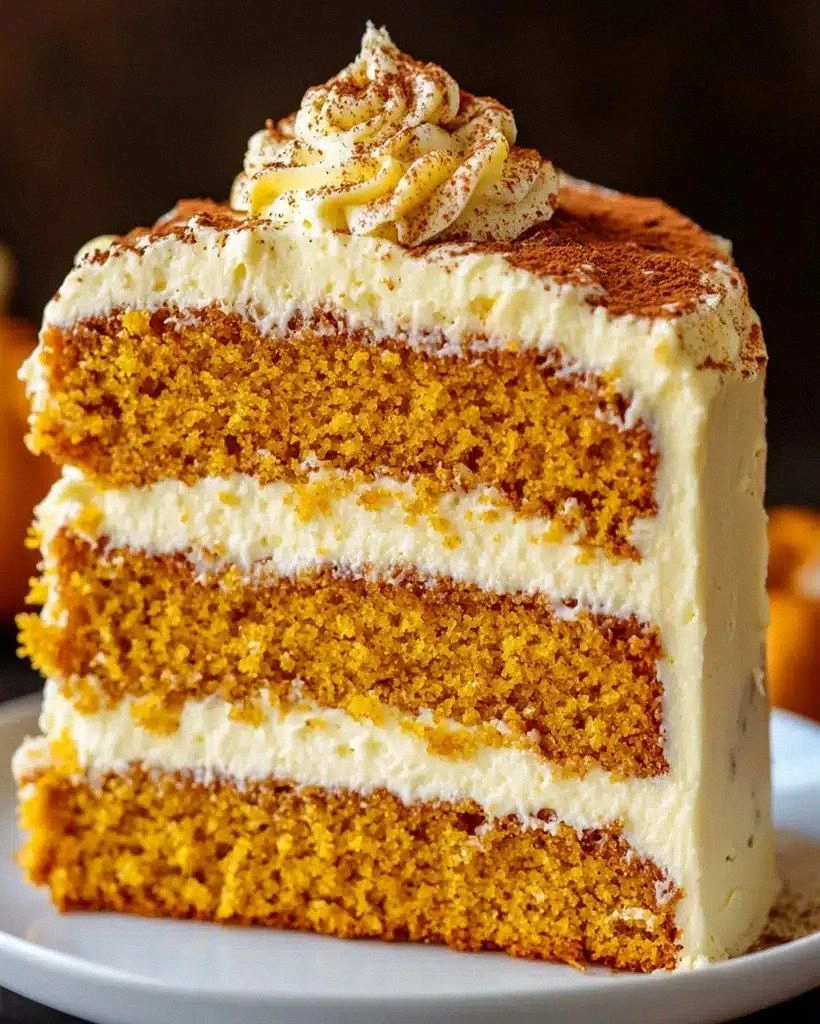
I'll confess something right now: I've eaten half a pumpkin spice cake before anyone else got to try it. Not because I'm selfish (okay, maybe a little), but because this particular cake ruined all other pumpkin desserts for me forever. Picture this: it's a gray October afternoon, the kind where the sky looks like wet cement and your socks are perpetually damp. I was supposed to bring dessert to game night, but my cake pans were dirty, my kitchen was chaos, and I had exactly two hours before everyone arrived. What happened next was either a miracle or black magic — I'm still not sure which.
The aroma that filled my apartment was criminal. Imagine the most intoxicating fall candle you've ever smelled, then multiply it by a thousand and add the promise of cream cheese frosting so smooth it could make a grown adult weep. My neighbors started knocking. My roommate materialized like a dessert-seeking ghost. And I? I stood over the cooling rack, allegedly "testing" the cake for doneness, and accidentally demolished an entire quarter before it even got frosted. The texture hit me first — springy but tender, with a crumb that practically dissolved on my tongue like autumn cotton candy. Then came the flavor symphony: warm cinnamon doing a slow dance with earthy ginger, while nutmeg and cloves played backup singers, and real pumpkin (not the sad canned stuff) added this mellow sweetness that made my eyes roll back in my head.
If you've ever struggled with pumpkin desserts that taste like a Yankee Candle married a coffee shop air freshener, you're not alone — and I've got the fix. Most recipes get this completely wrong, loading up on spice until your tongue goes numb and forgetting that pumpkin is actually a vegetable that deserves respect. This cake? It's the Beyoncé of fall desserts. It knows it's good, but it doesn't need to shout about it. The secret weapon isn't some exotic ingredient you need to special order from a monastery in Tibet. Nope, it's a technique so simple you'll kick yourself for not thinking of it sooner.
Let me walk you through every single step — by the end, you'll wonder how you ever made it any other way. We're talking about a cake that stays impossibly moist for days (if it lasts that long), with frosting so luscious you'll find yourself eating it straight from the bowl while watching reruns at midnight. Fair warning: once you make this, expect to become the designated dessert person for every fall gathering until the end of time. Your mail carrier will start leaving hints. Your dentist will ask for the recipe. Even that friend who claims they "don't like pumpkin spice" will betray their principles after one bite. Ready to become a seasonal legend?
What Makes This Version Stand Out
Ultra-Moist Formula: Instead of relying on oil alone, we're using a double-moisture system that locks in hydration like a dessert humidifier. The pumpkin puree provides natural moisture, while a secret addition of Greek yogurt creates a tender crumb that stays fresh for nearly a week. I dare you to taste this and not go back for seconds — the texture is that addictive.
Spice Balance Revolution: Most recipes drown the pumpkin in cinnamon until it tastes like potpourri. We're using a carefully calibrated 3:2:1 ratio of cinnamon to ginger to nutmeg, with just a whisper of cloves. The result? You actually taste the pumpkin, enhanced, not buried, by warm spices. It's like the difference between a symphony and someone banging on a piano.
Cream Cheese Frosting Game-Changer: We're browning the butter first, then cooling it before beating it into the cream cheese. This creates a nutty, caramel depth that makes regular cream cheese frosting taste like plastic in comparison. The technique takes five extra minutes but elevates the entire dessert into something that belongs in a French patisserie.
Texture Contrast Magic: Toasted pecans get folded into half the batter, creating pockets of buttery crunch that shatter like thin ice against the soft cake. It's the textural equivalent of finding hidden treasure in every bite. People will ask you what that amazing crunch is — and then demand you make it again immediately.
Make-Ahead Champion: This cake actually improves after 24 hours as the spices bloom and mingle. Make it on Sunday for Tuesday's book club, and you'll look like a baking wizard. The frosting can be prepped three days ahead and just needs a quick rewhip before spreading.
Crowd Psychology: I've served this to people who hate pumpkin pie, pumpkin bread, and basic pumpkin spice lattes. They all ask for the recipe. It's the dessert equivalent of a cult — once people taste it, they become evangelists. My cousin's neighbor still texts me every October asking if I'm making "the cake."
Alright, let's break down exactly what goes into this masterpiece. The ingredient list might look standard at first glance, but each component has been tested, tweaked, and perfected over dozens of attempts. I once made this cake seventeen times in three weeks because I couldn't stop tweaking the ratios. My coworkers thought I'd lost my mind, but they weren't complaining when they got to eat the experiments.
Inside the Ingredient List
The Flavor Base
Fresh pumpkin puree is non-negotiable here — not the watery canned stuff that's been sitting on shelves since last Halloween. Roast a sugar pie pumpkin until the flesh caramelizes and concentrates, then blend until silk-smooth. The difference hits you like a flavor tsunami: deeper, more complex, with natural sweetness that needs less added sugar. If you absolutely must use canned, go for the organic kind and drain it in cheesecloth for an hour. Your taste buds will thank you, and honestly, so will your dignity.
Dark brown sugar isn't just a sweetener — it's a flavor bomb loaded with molasses that adds butterscotch notes and keeps the cake incredibly moist. Regular brown sugar works, but the dark version creates those gorgeous caramel undertones that make people close their eyes when they taste it. I've tried coconut sugar, date sugar, even maple sugar, but nothing delivers that deep, rich backbone quite like dark brown. Plus, it helps create that gorgeous mahogany color that makes the cake look like autumn in dessert form.
The Texture Crew
Cake flour might seem fussy, but it's the secret to that tender crumb that makes people wonder if you're secretly a professional baker. All-purpose flour creates a denser cake, more like pumpkin bread than the cloud-like texture we're after. If you can't find cake flour, make your own by replacing two tablespoons per cup of all-purpose with cornstarch, then sift three times. The lower protein content means less gluten development, which translates to a more delicate bite that practically melts on your tongue.
Greek yogurt might sound weird in cake, but it's what separates amateur bakers from dessert legends. The acidity tenderizes the gluten while adding protein for structure, creating a cake that's both sturdy and impossibly soft. Full-fat is crucial — low-fat versions make the cake taste like diet food, and nobody wants that kind of negativity in their life. Plus, the tang balances the sweetness perfectly, preventing that cloying sugar overload that ruins so many desserts.
The Unexpected Star
Blackstrap molasses is my secret weapon — just a tablespoon transforms the entire flavor profile. It adds bitter complexity that makes the other flavors pop like fireworks, plus it deepens the color to that gorgeous dark amber. Don't substitute with regular molasses; blackstrap has that almost burnt edge that keeps the cake from being one-note sweet. I discovered this trick when I accidentally grabbed the wrong bottle, and it was the happiest mistake of my baking career.
Fresh ginger might seem like overkill when you're already using ground, but that little bit of zing takes the spice blend from "nice" to "what is this wizardry?" Microplane it directly into the batter so it distributes evenly, and use about half a teaspoon for the whole cake. The fresh stuff adds brightness that dried ginger loses, plus it gives tiny pops of heat that keep people guessing and reaching for another forkful.
The Final Flourish
Browned butter in the frosting is where this recipe goes from great to legendary. Cook it slowly until the milk solids turn chestnut brown and smell like toasted nuts and caramel, then cool it completely before beating into the cream cheese. The flavor is indescribable — nutty, buttery, with hints of toffee that make the frosting taste like it came from a Michelin-starred restaurant. I've had people offer to pay me just to make the frosting for them to eat with a spoon.
Vanilla bean paste might cost more than extract, but those little black specks are visual proof that you care about details. The flavor is more concentrated and complex, with floral notes that complement the spices without competing. If you're going to spend an hour making this cake, don't cheap out on the vanilla — it's like buying a Ferrari and putting regular gas in it. Plus, those vanilla specks make the frosting look professionally made, even if you decorated it while watching reality TV.
Everything's prepped? Good. Let's get into the real action — because this next part? Pure magic. The method is where most home bakers panic, but I've broken it down so thoroughly that even my friend who once burned water managed to nail this cake. Picture yourself pulling this out of the oven, the whole kitchen smelling incredible, and knowing that you're about to become the most popular person at any gathering.
The Method — Step by Step
- Start by roasting your pumpkin if you're going fresh — and honestly, you should. Cut a sugar pie pumpkin in half, scoop out the seeds (save them for toasting later), and roast cut-side down at 400°F for 45 minutes until the flesh is caramelized and a knife slides in like butter. Let it cool, then scoop out the flesh and blend until it's smoother than a pick-up line at a wine bar. Measure out exactly one cup and let it come to room temperature. Cold pumpkin makes your batter seize up like a car engine in winter, and room temperature ingredients mix into a uniform batter that bakes evenly.
- Brown your butter now if you haven't already — this needs time to cool. Cut two sticks into chunks and melt them over medium heat in a light-colored pan so you can see the color change. Swirl constantly once it starts foaming, watching for the milk solids to turn golden brown and smell like hazelnuts had a baby with caramel. The moment it turns chestnut color, pour it into a heatproof bowl and stick it in the fridge. Hot buttered frosting is a disaster waiting to happen, but cooled browned butter is liquid gold that'll make your frosting legendary.
- Prep your pans like a pro — this cake will stick if you get lazy. Trace the bottom of two 9-inch cake pans on parchment paper, cut inside the line, and press the circles into the bottom. Butter the entire pan, then dust with flour, tapping out the excess. This might seem excessive, but I've seen too many beautiful cakes commit suicide by refusing to leave their pans. The parchment guarantees clean release, and the butter-flour combo creates a micro-layer that prevents any tragic sticking incidents.
- Whisk your dry ingredients like you're conducting an orchestra — cake flour, baking powder, baking soda, salt, and all those beautiful spices. The baking soda reacts with the acidic pumpkin and yogurt to create lift, while baking powder provides extra rise for that perfect dome. Sift everything twice to distribute the leavening evenly — nobody wants to bite into a pocket of baking soda that tastes like soap. The aroma when these spices hit the flour? That's the smell of autumn in powder form.
- Cream the butter and brown sugar until it looks like fluffy clouds of caramel — about three minutes on medium-high. You're not just mixing; you're incorporating air that'll help the cake rise tall and proud. The color should lighten to a cafe au lait shade, and the texture should remind you of thick frosting. Don't rush this step — properly creamed butter and sugar creates tiny air pockets that expand during baking, giving you that professional bakery texture instead of a dense brick.
- Add the eggs one at a time, beating each until completely incorporated before adding the next. Cold eggs will curdle your beautifully creamed mixture, so let them sit out for 30 minutes first. The batter should look like satin — smooth, glossy, and slightly thick. If it starts looking curdled anyway (it happens to the best of us), add a tablespoon of flour to bring it back together. This is the moment of truth where emulsification happens, binding fat and liquid into a stable batter.
- Alternate your wet and dry ingredients like you're building a flavor skyscraper — start with flour, then pumpkin mixture, repeat, ending with flour. Mix on low speed just until combined; overmixing develops gluten and creates a tough cake that could double as a doorstop. The batter should be thick but pourable, like Greek yogurt that's been left out for a few minutes. Those toasted pecans? Fold them in now, but only half the batter if you want textural variety.
- Divide the batter between your prepared pans and smooth the tops with an offset spatula. Drop each pan from three inches height onto the counter twice — this releases air bubbles that would otherwise create tunnels in your finished cake. The batter should fill each pan about two-thirds full, giving room to rise without overflowing. Slide them into a preheated 350°F oven and don't even think about opening the door for 25 minutes.
- Check for doneness at 30 minutes, but don't rely on the toothpick test alone. The cake should spring back when lightly pressed, the edges should start pulling away from the pan, and your kitchen should smell like you've hired a professional baker. A toothpick inserted in the center should come out with a few moist crumbs — not wet batter, but not completely clean either. Remember, the cake continues cooking from residual heat, so pulling it slightly early prevents the dreaded dry edge.
- Let the cakes cool in their pans for exactly 10 minutes — set a timer because this is crucial. Too short and they'll fall apart, too long and they'll steam themselves soggy. Run a thin knife around the edges, invert onto wire racks, and peel off the parchment like you're unveiling a masterpiece. The bottoms should be golden and slightly springy, with no dark spots or sunken centers. Cool completely before frosting unless you want cream cheese soup sliding off your cake.
That's it — you did it. But hold on, I've got a few more tricks that'll take this to another level. We're talking frosting techniques that look bakery-professional, storage methods that keep it fresh for a week, and creative twists that'll make people think you've got a secret cookbook from a Michelin chef. Ready for the game-changer?
Insider Tricks for Flawless Results
The Temperature Rule Nobody Follows
Room temperature ingredients aren't just a snobby chef suggestion — they're the difference between cake and cake-disaster. Cold cream cheese won't blend smoothly, leaving you with lumpy frosting that looks like cottage cheese had an identity crisis. Cold eggs emulsify poorly, creating a broken batter that bakes up with the texture of a kitchen sponge. Take everything out of the fridge 45 minutes before you start, or microwave the cream cheese (in 10-second bursts) and place eggs in warm water for 10 minutes. Your future self will thank you when the frosting spreads like silk and the cake rises like it's got hot air balloon ambitions.
Why Your Nose Knows Best
That sizzle when the cake hits the pan? Absolute perfection. But the real magic happens when you smell the spices shifting from raw to toasted — it's like your kitchen is telling you secrets. The cinnamon will go from sharp to warm, the ginger from spicy to honeyed, and you'll know it's almost done when the scent makes you involuntarily close your eyes and sigh. If you're not smelling these changes, your oven might be lying about its temperature. Trust your nose over the timer — it's been honed by thousands of years of human evolution to detect when food transforms from ingredients to dinner.
The 5-Minute Rest That Changes Everything
Before frosting, let your cake layers rest uncovered for exactly five minutes after cooling. This creates a slight crust on the outside that prevents crumbs from mixing into your beautiful frosting. Then brush each layer with a simple syrup (equal parts sugar and water, heated until dissolved) flavored with vanilla and a splash of bourbon. The cake will absorb this moisture like a dessert sponge, keeping it fresh for days and adding another layer of flavor. A friend tried skipping this step once — let's just say it didn't end well for their reputation as the dessert person.
The Crumb Coat Secret
Professional bakers do a "crumb coat" — a thin layer of frosting that traps crumbs before the final coat. Mix 1/3 cup of your frosting with 2 tablespoons of heavy cream to make it spreadable, then apply this thin layer and refrigerate for 20 minutes. It sets up like edible spackle, creating a smooth canvas for your final frosting layer. Skip this step and you'll have more crumbs in your frosting than in your cake, turning your beautiful dessert into something that looks like a kindergarten art project.
Creative Twists and Variations
This recipe is a playground. Here are some of my favorite ways to switch things up:
The Bourbon Caramel Version
Replace the simple syrup with bourbon caramel (sugar, water, heavy cream, and a generous pour of good bourbon). The alcohol cooks off, leaving behind this complex, smoky sweetness that makes people ask if you went to pastry school in France. Brush it on warm so it soaks in completely, then frost as usual. The result tastes like fall in Kentucky, with notes of vanilla and oak that complement the spices perfectly.
The Chocolate Marble Swirl
Reserve 1/3 of the batter and mix in 3 tablespoons of cocoa powder and 2 tablespoons of strong coffee. Dollop this chocolate mixture into the pans and swirl with a knife for a tiger-stripe effect. The chocolate adds depth without overpowering the pumpkin, creating a dessert that satisfies both chocolate and pumpkin cravings. Kids go absolutely feral for the visual, and adults appreciate the sophisticated flavor combination.
The Maple Bacon Breakfast Cake
Replace half the brown sugar with maple sugar, fold candied bacon into the batter, and top with maple cream cheese frosting. It's breakfast disguised as dessert, or dessert disguised as breakfast — either way, it's completely acceptable to eat at 8 AM. The salty-sweet combo hits that perfect umami note that makes people lose their minds and their dietary resolve.
The Gluten-Free Convert
Substitute the cake flour with a 1:1 gluten-free baking blend (I swear by King Arthur's), add 1/4 teaspoon xanthan gum, and proceed as usual. The pumpkin and yogurt help mask any gluten-free texture issues, creating a cake so good that gluten-eaters won't know the difference. I've served this version to entire parties of celiac friends, and they nearly cried with joy at being able to eat "normal" cake again.
The Mini Cake Phenomenon
Make this in mini loaf pans for individual servings that freeze beautifully. They're perfect for lunch boxes, emergency dessert cravings, or gifts that make you look incredibly thoughtful. Wrap them in parchment and twine with a little tag, and suddenly you're the friend who has their life together. The smaller size also means more crispy edges, which is never a bad thing in my book.
The Tropical Escape
Replace the spices with cardamom, allspice, and a pinch of saffron, fold in toasted coconut, and use coconut milk instead of regular milk. Top with cream cheese frosting spiked with lime zest for a cake that tastes like pumpkin spice went on vacation to the Caribbean. It's unexpected, it's bright, and it's what you make when you want to blow people's minds about what pumpkin can be.
Storing and Bringing It Back to Life
Fridge Storage
Wrapped tightly in plastic wrap and stored in an airtight container, this cake stays fresh for up to five days in the refrigerator. The cream cheese frosting acts like a protective seal, preventing the cake from drying out. Bring it to room temperature for 30 minutes before serving — cold cake is sad cake. If you sliced into it, press plastic wrap directly against the cut surface to prevent that heartbreaking dried-out edge that ruins leftover cake experiences.
Freezer Friendly
This cake freezes like a dream for up to three months, but here's the key: freeze it unfrosted. Wrap the completely cooled layers individually in plastic wrap, then aluminum foil, then place in a freezer bag. When you're ready, thaw overnight in the refrigerator, then frost fresh. The texture actually improves — something about the freezing process breaks down the starches slightly, making it even more tender. I've made this months ahead for holidays, and nobody could tell it wasn't baked that morning.
Best Reheating Method
Individual slices microwave perfectly in 15-second bursts, but for the full cake experience, warm it in a 275°F oven for 10 minutes. Add a tiny splash of water to the pan before reheating — it steams back to perfection, reviving the original fresh-baked texture. The cream cheese frosting might weep slightly, but a quick re-whip with a spatula brings it back to life. Leftover frosting? Mix it with a little milk for the world's most decadent fruit dip.