Picture this: you’re standing in a kitchen that smells like a cozy Italian trattoria, the oven humming softly, and a bubbling pot of marinara sauce doing its best impression of a love song. I was in the middle of a mid‑week slump, staring at a half‑empty pantry, when a friend dared me to create “the ultimate comfort food that even my picky cousin can’t refuse.” I laughed, grabbed a bag of large pasta shells, and set out on a culinary adventure that would end with a plate so indulgent it could practically win a gold medal at a flavor Olympics. That night, I learned that the secret isn’t just in the ingredients—it’s in the tiny, deliberate choices that turn a decent dish into an unforgettable masterpiece.
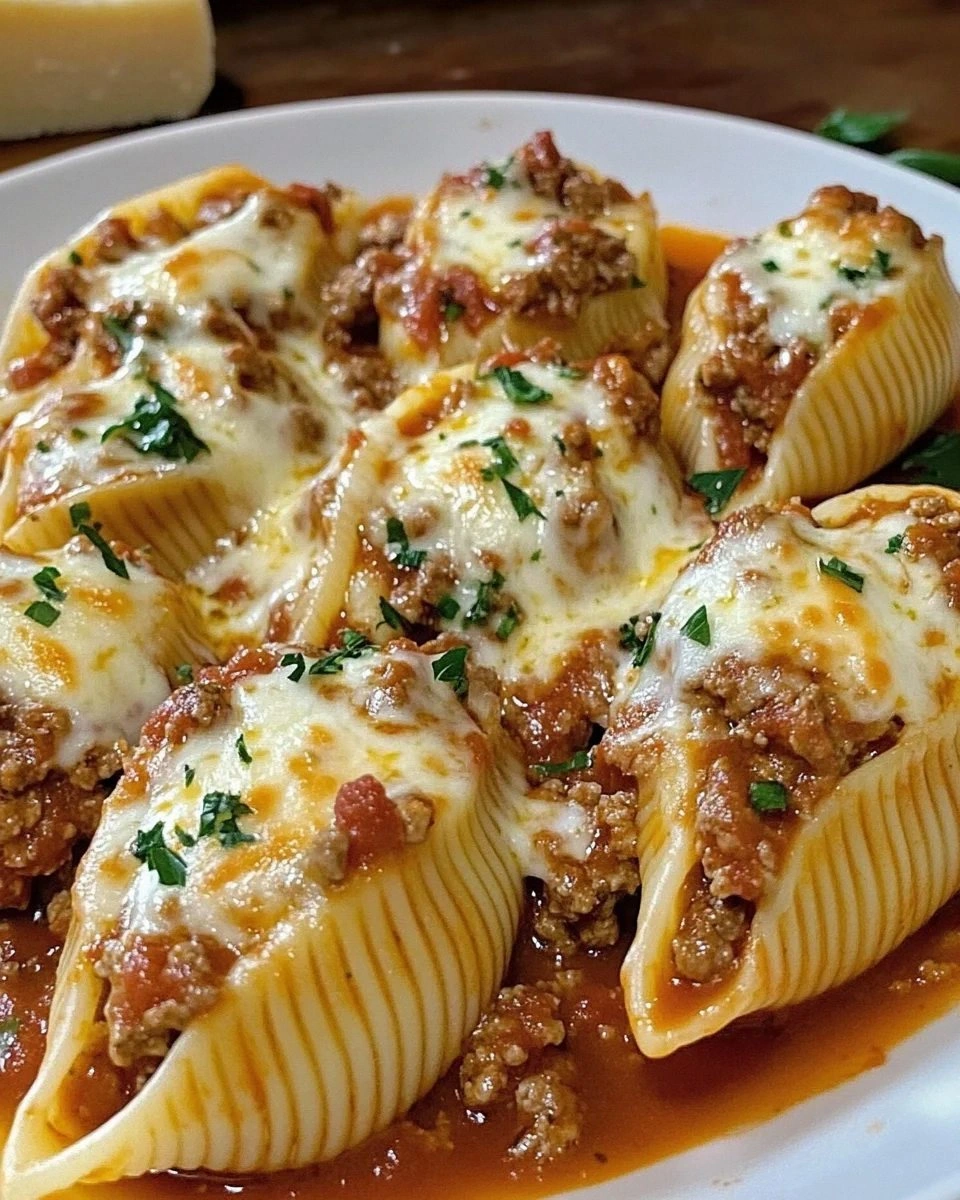
The first bite was a revelation. The shell’s ridged interior cradled a luscious, creamy ricotta mixture that clung to the beef like a velvety blanket, while the marinara sauce swirled around it, bright and tangy, coating every curve like a glossy, ruby‑red silk scarf. You could hear the faint sizzle of the sauce as it hit the hot pan, the gentle pop of the cheese melting, and the faint whisper of herbs dancing in the steam. The aroma hit you before the eyes even get a chance to register the golden‑brown tops, a warm, comforting perfume that makes you want to inhale deeply and never leave the kitchen. My taste buds were doing a happy dance, and I thought, “Okay, this is hands down the best version you’ll ever make at home.”
Most recipes for stuffed shells get this completely wrong—they either drown the filling in sauce or forget to give the pasta any real texture, resulting in a soggy, limp mess. I’ve cracked the code by toasting the shells just enough to give them a subtle crunch that holds up under the sauce, while still keeping the interior tender enough to melt in your mouth. The twist? A dash of Italian seasoning mixed directly into the ricotta, which infuses every bite with a fragrant herbaceous punch that you’ll notice the moment the sauce hits your tongue. And let’s be real, the cheese blend of ricotta, mozzarella, and Parmesan creates a layered richness that no single cheese could achieve on its own.
Now, I’m about to walk you through every single step—by the end, you’ll wonder how you ever made it any other way. I dare you to taste this and not go back for seconds. Ready? Let’s dive into the magic.
What Makes This Version Stand out
- Flavor Explosion: The combination of ground beef, ricotta, and a robust marinara creates a symphony of savory, creamy, and tangy notes that hit every palate.
- Texture Contrast: Toasted shells give a slight crunch, while the creamy filling stays luxuriously smooth, delivering a satisfying bite every time.
- Simplicity Meets Sophistication: Only nine core ingredients, yet the dish feels restaurant‑quality without any fancy equipment.
- Ingredient Quality: Using fresh, high‑fat ricotta and real mozzarella ensures melt‑in‑your‑mouth richness that powdered mixes can’t match.
- Crowd‑Pleaser Factor: Whether you’re feeding a family, hosting friends, or impressing a date, this dish consistently earns rave reviews.
- Make‑Ahead Friendly: Assemble ahead of time, refrigerate, and bake when you’re ready—perfect for busy weeknights.
- Versatile Base: The recipe welcomes swaps—turkey, lentils, or even a vegetarian mushroom blend—without sacrificing the core experience.
- Time‑Efficient: From prep to plate in under an hour, it fits neatly into a typical dinner schedule.
Inside the Ingredient List
The Flavor Base
Ground beef: This is the heart of the dish, providing a meaty depth that balances the creaminess of the cheeses. Choose an 80/20 blend for the perfect mix of flavor and juiciness. If you skip the beef, you lose that satisfying umami punch that makes the sauce sing.
Swap suggestion: Use ground turkey for a lighter version, but add a splash of olive oil to keep it from drying out. When shopping, look for meat that’s bright red with a fine grain—this indicates freshness.
The Texture Crew
Ricotta cheese: The star of the filling, ricotta offers a fluffy, slightly grainy texture that melts into a silk‑like sauce. Its mild flavor lets the herbs and beef shine without competing. Skipping ricotta means you’ll miss the signature “creamy” mouthfeel that defines this dish.
Tip: Drain excess whey from the ricotta using a cheesecloth for an even thicker filling. For a dairy‑free twist, try a cashew‑based ricotta alternative, but expect a slightly nuttier profile.
The Unexpected Star
Italian seasoning: A blend of oregano, basil, and thyme, this seasoning infuses the ricotta with aromatic depth. Adding it directly to the cheese ensures every bite is herb‑kissed, rather than just the sauce. Omit it, and the filling can taste flat, missing that Mediterranean sparkle.
Fun swap: Use fresh chopped basil for a brighter, more fragrant finish—just double the amount because fresh herbs are less concentrated.
The Final Flourish
Shredded mozzarella cheese & Grated Parmesan cheese: Mozzarella melts into gooey strings, while Parmesan adds a salty, nutty edge that elevates the whole dish. Together they create a layered cheese experience that’s richer than any single cheese could achieve. Skipping either will result in a less satisfying melt and a blander flavor profile.
Pro tip: Mix the cheeses into the filling and reserve a generous sprinkle for the top of the bake; this creates a golden crust that cracks like thin ice when you cut into it.
Everything's prepped? Good. Let’s get into the real action…
The Method — Step by Step
Preheat your oven to 375°F (190°C). While the oven warms, fill a large pot with water, add a generous pinch of salt, and bring it to a rolling boil. Toss the large pasta shells in and cook them al dente—about 9 minutes—so they still have a firm bite. Drain, rinse briefly with cold water to stop cooking, and set aside on a clean kitchen towel. This step is crucial; overcooked shells will dissolve into the sauce later.
In a dry skillet over medium‑high heat, add the ground beef. Let it sizzle, breaking it up with a wooden spoon as it browns. When the meat releases its juices and turns a deep mahogany, sprinkle in the Italian seasoning, salt, and pepper. Cook for another 2 minutes until the herbs become fragrant—“That sizzle when it hits the pan? Absolute perfection.”
While the beef finishes, combine the ricotta, half of the shredded mozzarella, grated Parmesan, and the egg in a large mixing bowl. Add a pinch of salt, pepper, and a teaspoon of Italian seasoning directly into the cheese mixture. Mix until smooth; the egg acts as a binder, ensuring the filling holds together when baked. If the mixture feels too loose, add a tablespoon of flour—this is the secret to preventing a watery center.
Now, gently fold the cooked ground beef into the cheese mixture, creating a hearty, cohesive filling. Taste a tiny spoonful; adjust seasoning if needed. This is the moment where flavors meld, and you’ll notice the beef’s richness marrying with the cheese’s silkiness—pure harmony.
Take each cooked shell and spoon a generous amount of the beef‑ricotta mixture into its cavity. Pack it in, but don’t overstuff; you want the shell to close gently, not burst. Arrange the stuffed shells in a single layer inside a 9×13‑inch baking dish. This is the stage where the dish starts looking like a work of art.
Pour the marinara sauce evenly over the shells, ensuring each one is fully coated. The sauce should bubble and release a fragrant aroma as it spreads—think of it as a glossy, ruby blanket that will caramelize slightly on top. Sprinkle the remaining shredded mozzarella over the entire dish, creating a snowy, melty crown.
Cover the baking dish tightly with aluminum foil and place it in the preheated oven. Bake for 20 minutes—this allows the flavors to meld and the cheese to melt uniformly. After 20 minutes, remove the foil and bake an additional 10‑12 minutes, or until the cheese on top turns golden‑brown and starts to crisp at the edges. The scent at this point should be intoxicating, filling the kitchen like a warm hug.
Once baked, let the dish rest for 5 minutes before serving. This short rest lets the filling settle, making each shell easier to lift without spilling. Grab a serving spoon, plate a few shells, and watch the molten cheese stretch like silk as you pull them apart. Picture yourself pulling this out of the oven, the whole kitchen smelling incredible… you’ve just created a masterpiece.
That’s it — you did it. But hold on, I’ve got a few more tricks that'll take this to another level…
Insider Tricks for Flawless Results
The Temperature Rule Nobody Follows
Never bake stuffed shells at a temperature lower than 350°F. Higher heat creates that coveted caramelized cheese crust while keeping the interior creamy. I once tried a low‑and‑slow 300°F bake; the result was a soggy, pale top that never achieved that golden‑brown finish. Keep the oven hot, and you’ll get a cheese edge that shatters like thin ice when you cut into it.
Why Your Nose Knows Best
Trust the aroma. When the sauce starts to bubble and the cheese edges turn lightly amber, you’re at the perfect finish line. If you’re unsure, lift the foil and give the top a quick sniff; a sweet, roasted cheese scent means you’re ready to pull it out. Over‑baking will turn the cheese rubbery, so let your nose be the timer.
The 5‑Minute Rest That Changes Everything
Letting the dish rest for just five minutes after baking does more than prevent spills. It allows the cheese proteins to re‑set, making each shell easier to serve and the flavors more cohesive. I once served straight from the oven and the filling oozed everywhere—lesson learned. This short pause is the difference between a sloppy plate and a picture‑perfect presentation.
Seasoning Layer Strategy
Season both the meat and the cheese mixture separately. This dual‑layer seasoning ensures that every bite hits with balanced flavor. If you only season the meat, the cheese can taste bland; if you only season the cheese, the beef can be under‑flavored. The result? A harmonious flavor profile that sings from start to finish.
Cheese Blend Balance
Using a 2:1 ratio of mozzarella to Parmesan gives you meltiness without sacrificing that sharp, salty bite. Too much Parmesan can make the filling gritty, while too much mozzarella can be overly bland. My friend once swapped in a low‑fat mozzarella and the dish lost its richness—always opt for full‑fat cheese for maximum creaminess.
Creative Twists and Variations
This recipe is a playground. Here are some of my favorite ways to switch things up:
Spicy Southwest
Swap the Italian seasoning for a teaspoon of chipotle powder and add a handful of corn kernels to the filling. Top with shredded cheddar instead of mozzarella for a smoky kick that’ll surprise your guests.
Mushroom‑And‑Spinach Vegetarian
Replace the ground beef with a sautéed mixture of chopped mushrooms, spinach, and a splash of soy sauce. The earthiness of the mushrooms pairs beautifully with the ricotta, creating a hearty vegetarian delight.
Greek‑Inspired
Use ground lamb instead of beef, add crumbled feta, and sprinkle oregano and a drizzle of lemon juice over the top before baking. The tangy feta and aromatic herbs give a Mediterranean twist that feels fresh and bold.
Four‑Cheese Deluxe
Incorporate gouda and provolone alongside mozzarella and Parmesan for a richer, more complex cheese profile. The smoky notes of gouda elevate the dish to a luxurious comfort food experience.
Pumpkin Harvest
Fold a quarter cup of pumpkin puree into the ricotta mixture and add a pinch of nutmeg. This seasonal variation brings a subtle sweetness and autumnal warmth—perfect for a cozy fall dinner.
Gluten‑Free Option
Swap the large pasta shells for gluten‑free stuffed shells or large zucchini boats. The cooking method remains the same, and the result is just as satisfying for those avoiding gluten.
Storing and Bringing It Back to Life
Fridge Storage
Allow the baked shells to cool completely, then cover the dish tightly with plastic wrap or aluminum foil. Store in the refrigerator for up to 3 days. When reheating, add a splash of water or extra marinara to the edges, then cover with foil and bake at 350°F for 15‑20 minutes.
Freezer Friendly
Assemble the stuffed shells, cover with sauce, and freeze uncovered for 30 minutes. Then wrap the dish tightly with foil and a freezer bag. They’ll keep for up to 2 months. To bake from frozen, add an extra 10‑15 minutes to the uncovered baking time.
Best Reheating Method
For the crispiest top, reheat uncovered on a preheated oven at 375°F for 10‑12 minutes, then finish with a 3‑minute broil to revive that golden crust. Adding a tiny splash of water before reheating creates steam that revives the creamy interior without drying it out.