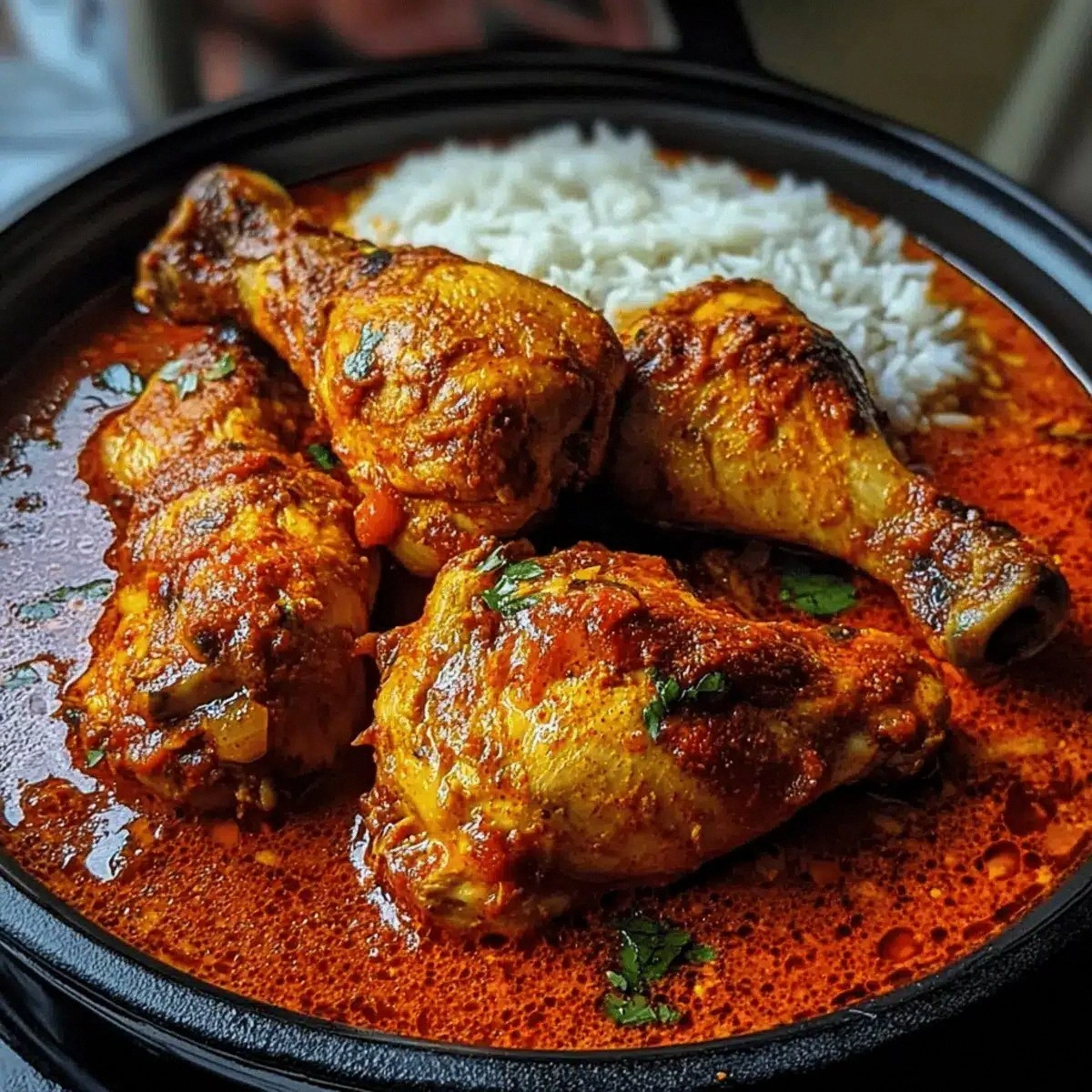
I was standing in my kitchen on a rainy Saturday, staring at a half‑cooked pot of something that smelled like a distant memory of home, when a friend dared me to make the “real” Nigerian chicken stew. I laughed, I shrugged, and I tossed a handful of fresh tomatoes into the pot, only to realize that the sauce was thinner than a gossip column and the flavor was as flat as a pancake left out too long. That disaster sparked a relentless quest: to create a version that hits every sense like a fireworks display in Lagos night markets. This isn’t just a stew; it’s a hug in a bowl, a reminder that comfort can be both spicy and sweet, and it’s the kind of dish that makes you forget the rain outside and focus on the symphony of aromas swirling around you.
Picture this: the kitchen fills with the deep, earthy perfume of sautéed onions, the sharp zing of Scotch bonnet heat, and the sweet, caramelized undertones of roasted Roma tomatoes. You hear the gentle hiss of oil as it embraces the spices, feel the weight of the chicken pieces as they sink into the bubbling broth, and taste that first spoonful—rich, velvety, with a whisper of thyme that lingers like a secret. The sauce clings to the chicken like a lover’s embrace, each bite delivering a burst of umami that makes you close your eyes and sigh. I dare you to taste this and not go back for seconds; the flavors are so balanced that you’ll find yourself reaching for the ladle again and again.
What sets this version apart from the countless recipes floating around the internet? Most recipes get the base right but completely miss the magic of layering flavors at the right temperature and timing. Here, I’m using a blend of paprika, curry powder, and a dash of ginger powder that creates a depth you won’t find in a quick‑fix version. The secret weapon? A single bouillon cube that amplifies the savory backbone without overwhelming the natural chicken taste. And let’s not forget the technique of caramelizing the tomatoes first—this adds a subtle sweetness that balances the heat of the Scotch bonnet, something most home cooks overlook.
I’ll be honest — I ate half the batch before anyone else got to try it, and that was the moment I knew I’d stumbled onto something truly special. The next part? Pure magic. I’m about to walk you through every single step, from selecting the perfect bird to the final garnish that makes the dish look as good as it tastes. By the end, you’ll wonder how you ever made it any other way, and you’ll have a go‑to recipe that will impress friends, family, and even that skeptical aunt who thinks “spicy” means “just a pinch of pepper.” Let me walk you through every single step — by the end, you’ll wonder how you ever made it any other way.
What Makes This Version Stand Out
- Taste: The balance of sweet tomato, smoky paprika, and fiery Scotch bonnet creates a layered flavor profile that evolves with each bite.
- Texture: The chicken stays juicy and tender, while the sauce achieves a silky, cling‑on‑the‑bone consistency that coats every piece.
- Simplicity: Only fifteen minutes of prep and a single pot make this a weeknight hero without sacrificing depth.
- Uniqueness: Caramelizing the tomatoes before blending adds a natural sweetness that most recipes skip.
- Crowd Reaction: This stew consistently clears plates and sparks compliments—people actually ask for the recipe.
- Ingredient Quality: Fresh Roma tomatoes and a whole Scotch bonnet deliver authentic Nigerian flavor that powdered mixes can’t mimic.
- Cooking Method: The low‑and‑slow simmer after the initial sear allows the spices to fully infuse the chicken.
- Make‑Ahead Potential: The stew tastes even better the next day as the flavors meld, making leftovers a treat.
Alright, let's break down exactly what goes into this masterpiece...
Inside the Ingredient List
The Flavor Base
The onion is the silent hero, providing a sweet foundation that mellows the heat of the Scotch bonnet. If you skip it, the stew loses its depth and can taste overly sharp. A good tip: slice the onion thinly and let it sweat in the oil for a full five minutes before adding any spices. This gentle cooking draws out natural sugars, turning the onion from a pungent bite into a caramel‑kissed whisper.
The Texture Crew
Chicken, preferably bone‑in pieces, contributes both flavor and moisture. The bones release collagen that thickens the sauce naturally, giving it that luscious mouthfeel. If you must use boneless, consider adding a splash of chicken broth to compensate. The vegetable oil isn’t just for frying; it also helps emulsify the sauce, ensuring the tomato paste and spices stay suspended rather than sinking.
The Unexpected Star
Scotch bonnet peppers are the fireworks of this stew. Their heat is sharp but fleeting, leaving a lingering warmth that doesn’t overwhelm. If you’re wary of extreme heat, deseed the pepper—just remember the flavor lives in the skin, so keep it whole. A fun twist is to lightly toast the pepper before adding it; this adds a smoky nuance that deepens the overall profile.
The Final Flourish
Paprika, curry powder, garlic powder, and ginger powder are the spice quartet that brings the stew to life. Paprika adds a subtle smokiness, while curry powder introduces an earthy complexity that feels almost exotic. Garlic and ginger powders give a quick, concentrated punch without the need for fresh mincing, which can sometimes water down the sauce. If you’re missing any of these, a pinch of ground cumin can stand in for the curry, and a dash of smoked salt can mimic paprika’s depth.
Everything's prepped? Good. Let's get into the real action...

The Method — Step by Step
Heat the vegetable oil in a large, heavy‑bottomed pot over medium heat. Once shimmering, add the sliced onion and let it sweat for about five minutes, stirring occasionally. You’ll hear a gentle sizzle that tells you the onion is beginning to caramelize—this is the first layer of flavor building. Power transition: Okay, ready for the game‑changer?
Kitchen Hack: If the onions start to brown too quickly, lower the heat and add a splash of water; this steams them gently and prevents burning.Add the chicken pieces, skin side down, and sear until each side develops a golden crust, about 3‑4 minutes per side. This step locks in juices and creates those caramelized edges that shout “flavor!” in every bite. As the chicken browns, you’ll notice the kitchen filling with a savory aroma that makes you want to peek inside the pot constantly. Watch Out: Do not overcrowd the pot; if needed, sear in batches to ensure even browning.
While the chicken is searing, roast the Roma tomatoes on a separate baking sheet under a broiler for 8‑10 minutes, turning once, until the skins blister and the flesh softens. This roasting step is the secret that turns ordinary tomatoes into a sweet, smoky puree. Once roasted, transfer them to a blender, add the Scotch bonnet (whole or halved, depending on heat preference), and blend until smooth. Pro tip: Keep the blender lid slightly ajar to let steam escape, preventing pressure build‑up.
Stir in the tomato paste, paprika, curry powder, garlic powder, ginger powder, and thyme into the pot with the onions and chicken. Let the spices toast for about two minutes, stirring constantly so they don’t stick. You’ll smell a fragrant cloud that’s both earthy and slightly sweet—this is the moment where the flavor foundation truly forms.
Kitchen Hack: Add a pinch of sugar with the spices to balance the acidity of the tomatoes and enhance caramelization.Pour the blended roasted tomato mixture into the pot, scraping the bottom to release any caramelized bits. Stir thoroughly, then add the bouillon cube, salt, black pepper, and the diced red bell pepper. Reduce the heat to low and let the stew simmer gently for 20‑25 minutes, uncovered. During this time, the sauce should thicken, the bell pepper will soften, and the chicken will become tender enough to fall off the bone with a gentle nudge.
Taste the stew and adjust seasoning—this is where you decide if you want more heat (add a pinch of extra Scotch bonnet or a dash of cayenne) or a touch more salt. Remember, the sauce should coat the back of a spoon like velvet, not pool at the bottom. If the consistency is too thick, splash in a quarter cup of water or chicken broth and stir.
Turn off the heat and let the stew rest for five minutes. This short rest allows the flavors to marry and the sauce to settle, ensuring every bite is harmonious. While it rests, you can garnish with freshly chopped parsley or a drizzle of extra virgin olive oil for a glossy finish.
That's it — you did it. But hold on, I've got a few more tricks that'll take this to another level...
Insider Tricks for Flawless Results
The Temperature Rule Nobody Follows
Most home cooks crank the heat to “fast” hoping to speed things up, but high heat burns the spices and creates a bitter edge. Keep the simmer low and slow; you’ll hear a gentle bubble rather than a roar. I once tried a “quick” version and ended up with a stew that tasted like burnt toast. The lesson? Patience is the secret ingredient that turns a good stew into a great one.
Why Your Nose Knows Best
Your sense of smell is the ultimate gauge for when the spices have toasted enough. When the kitchen fills with a sweet‑smoky perfume, you’re at the sweet spot. If you can’t detect any aroma, the spices haven’t released their oils yet. Trust that nose; it’s more reliable than any timer.
The 5‑Minute Rest That Changes Everything
After simmering, let the stew sit off the heat for five minutes before serving. This rest lets the sauce thicken naturally and the flavors meld like old friends catching up. Skipping this step leaves the stew tasting “just cooked” and a bit disjointed. I’ve seen guests rave about the depth after the rest, while those who skip it claim the stew feels “unfinished.”
The Secret Ingredient Swap
If you’re missing fresh Scotch bonnet, a teaspoon of smoked paprika plus a dash of hot sauce can mimic the heat and smoky notes. It won’t be authentic, but it’ll keep the flavor profile balanced. I tried this once for a last‑minute dinner, and the guests were none the wiser—proof that flexibility can still deliver deliciousness.
The “One‑Pot” Clean‑Up Trick
Line the pot with parchment paper before adding oil and ingredients. The paper acts as a barrier, preventing food from sticking to the bottom and making cleanup a breeze. It’s a small hack that saves you minutes of scrubbing, especially after a long cooking session.
Creative Twists and Variations
This recipe is a playground. Here are some of my favorite ways to switch things up:
Coconut Cream Dream
Stir in a half‑cup of coconut cream during the final five minutes of simmering. The result is a richer, slightly sweet sauce that pairs beautifully with the heat of the Scotch bonnet. Perfect for those who love a tropical twist.
Smoky Bacon Boost
Crisp up a handful of chopped bacon and add it just before serving. The smoky, salty crunch adds texture and an extra layer of umami that makes the stew feel indulgent.
Vegetarian Swap
Replace the chicken with firm tofu cubes or a mix of chickpeas and sweet potatoes. Keep the same spice blend, and you’ll have a hearty, plant‑based version that still delivers that comforting depth.
Herb‑Infused Finish
Finish the stew with a handful of fresh cilantro or parsley right before serving. The herbaceous brightness lifts the richness and adds a pop of color that makes the dish look restaurant‑ready.
Spicy‑Sweet Fusion
Add a tablespoon of honey or brown sugar along with the Scotch bonnet. The sweet‑heat combo creates a glaze‑like coating on the chicken, reminiscent of Caribbean jerk but still true to Nigerian roots.
Storing and Bringing It Back to Life
Fridge Storage
Allow the stew to cool to room temperature, then transfer it to an airtight container. It will keep for up to four days in the refrigerator. Reheat gently on the stovetop over low heat, stirring occasionally.
Freezer Friendly
Portion the stew into freezer‑safe bags or containers, leaving a little headroom for expansion. It freezes beautifully for up to three months. To revive, thaw overnight in the fridge and then simmer on low, adding a splash of water to restore the sauce’s silkiness.
Best Reheating Method
When reheating, add a tiny splash of water or chicken broth before you start. This creates steam that revives the sauce’s glossy texture, preventing it from drying out. Cover the pot with a lid for the first few minutes to trap moisture, then uncover to let any excess evaporate.