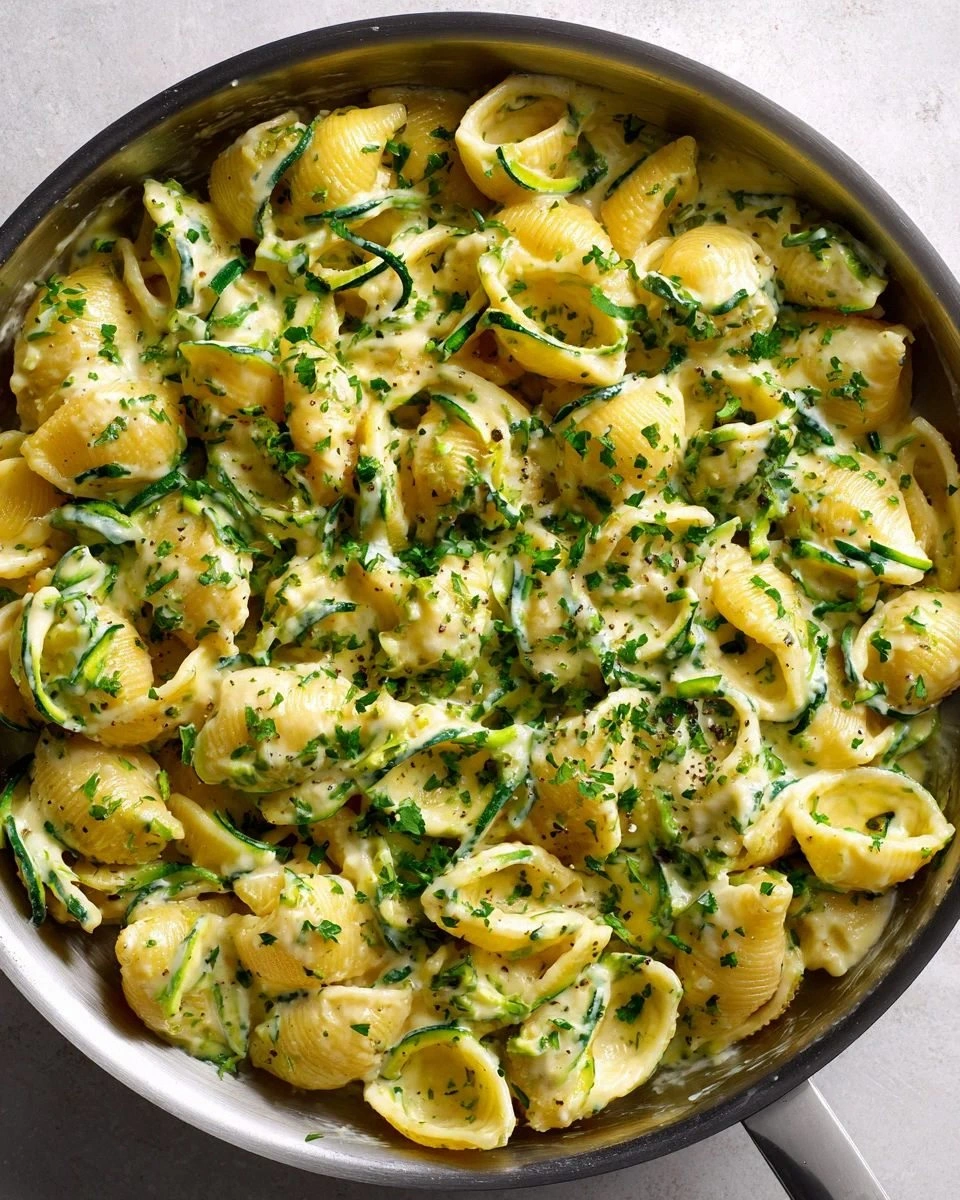
Last Tuesday I was halfway through what I thought was a harmless weeknight dinner when my daughter walked in, sniffed the air like a bloodhound, and announced, “Mom, it smells like Italy owes us money.” That, my friends, is the power of Creamy Tuscan Chicken done right—an aroma so heady, so unapologetically luscious, that even a moody twelve-year-old momentarily forgets TikTok exists. I had no intention of turning boneless chicken breasts into anything life-changing that evening; I simply needed to clear out the fridge before the spinach staged a full-scale mutiny. But one thing led to another—garlic hit the pan, sun-dried tomatoes released their tart perfume, cream bubbled like liquid silk—and suddenly I was the person standing over the stove, wooden spoon in hand, whispering “come to mama” at a pot of sauce. If you’ve ever wished you could bottle the feeling of curling up under a cashmere blanket while someone rubs your feet and tells you you’re stunning, congratulations: this dish is the edible version.
Picture this for a second: crispy, golden-brown chicken cutlets reclining on a chaise lounge of velvety parmesan cream, studded with ruby sun-dried tomatoes that pop with tangy sweetness every time you bite one. Flecks of emerald spinach wilt just enough to remind you that, yes, vegetables live here, but they’re swimming in dairy so indulgent you’ll forget you’re technically eating something wholesome. The sauce coats your pasta—or crusty bread, or, let’s be real, your spoon—like velvet drapes in a Renaissance palace, and every mouthful tastes as though a Florentine nonna whispered ancient secrets into your ear while you stirred. I’m not exaggerating when I say this is the dish that will make your roommate propose marriage, your in-laws forgive you for that Thanksgiving turkey fiasco, and your neighbor appear at the door with an empty Tupperstock and puppy-dog eyes. I dare you to taste this and not go back for seconds; I double-dog dare you not to lick the plate when no one’s looking.
Most recipes floating around the internet get Tuscan chicken catastrophically wrong: they drown the chicken until it’s rubbery, use half-and-half and wonder why the sauce breaks, or toss in dried basil from 1997 and expect fireworks. Here’s what actually works: a screaming-hot sear for that café-quality crust, a deglaze with the sun-dried tomato oil for built-in flavor depth, and a finishing swirl of cold butter so glossy you could check your reflection. Stay with me here—this is worth it. Let me walk you through every single step—by the end, you’ll wonder how you ever made it any other way.
What Makes This Version Stand Out
Sear-and-Sizzle: We crank the heat to high for the first ninety seconds, locking in juices and forging a caramelized crust that shatters like thin ice under your fork. Most home cooks baby their poultry; we show it who’s boss.
One-Pan Wizardry: Everything—chicken, sauce, spinach—happens in the same skillet, meaning you’ll spend less time scrubbing and more time basking in compliments. Fewer dishes equals more wine, and that’s just math.
Sun-Dried Tomato Oil Gold: Instead of bland vegetable oil, we sizzle the garlic in the concentrated elixir that those tomatoes bathe in. It’s like hitting the umami jackpot without buying a single extra ingredient.
Spinach Timing Rule: We add the spinach off-heat so it wilts gently, staying vibrant instead of turning Army-green mush. Color equals freshness, and freshness equals bragging rights.
Cheese Emulsion Hack: Parmesan gets micro-planed and whisked in off the flame to prevent clumpy string cheese nightmares. The result? A satin-smooth sauce that hugs every nook of your pasta.
Make-Ahead Miracle: The flavors meld even more luxuriously overnight, meaning you can prep this for company and simply reheat gently while you polish your acceptance speech for “Host of the Year.”
Alright, let’s break down exactly what goes into this masterpiece...
Inside the Ingredient List
The Flavor Base
Chicken breasts are the blank canvas, but we treat them like royalty: a confident shower of kosher salt, freshly cracked black pepper, and a whisper of smoked paprika that blooms in the hot fat and makes your neighbors sniff suspiciously at the walls. Boneless keeps the eating effortless; skinless lets us get that textbook sear without the curl and shrink routine. Skip the fancy heritage stuff if you want—standard grocery-store breasts work wonders as long as you follow the timing. Slice them horizontally if they’re thicker than an iPhone; uniform thickness equals even cooking, and even cooking equals juicy meat that actually tastes like chicken.
The Texture Crew
Heavy cream is non-negotiable. I’ve tried the “but I only have milk” route, and it tastes like disappointment with a side of watery sepia. You need the fat to emulsify with the tomato oil and cheese, creating that clingy velvet cloak that makes you close your eyes involuntarily. If you’re lactose-intolerant, sorry friend—save yourself the heartbreak and make something else tonight. For everyone else, spring for cream that lists 36 % milk fat; anything lighter splits under heat faster than cheap leggings.
The Unexpected Star
Sun-dried tomatoes deliver tangy depth and little chewy gems that burst between your molars like fruit snacks for grown-ups. Buy the ones packed in oil, not the leathery dry slabs that taste like tomato jerky. Pat them lightly so they sear rather than steam, and they’ll caramelize at the edges, adding a whisper of sweetness that balances the cream. Skip them and you’ve basically made Alfredo—perfectly nice, but not the vacation-in-Tuscany vibe we’re chasing.
The Final Flourish
Fresh baby spinach slips in at the end, wilting from the residual heat so it stays bright and almost juicy. It’s not just a color pop—spinach drinks up that sauce and delivers little pockets of earthy green that keep the dish from turning into a dairy bomb. Frozen spinach tastes like soggy newspaper; baby spinach is mild, tender, and requires zero stemming. If you absolutely must swap, use arugula for peppery zip, but know that you’ll lose the silky-soft texture that makes toddlers accidentally eat greens.
Everything’s prepped? Good. Let’s get into the real action...
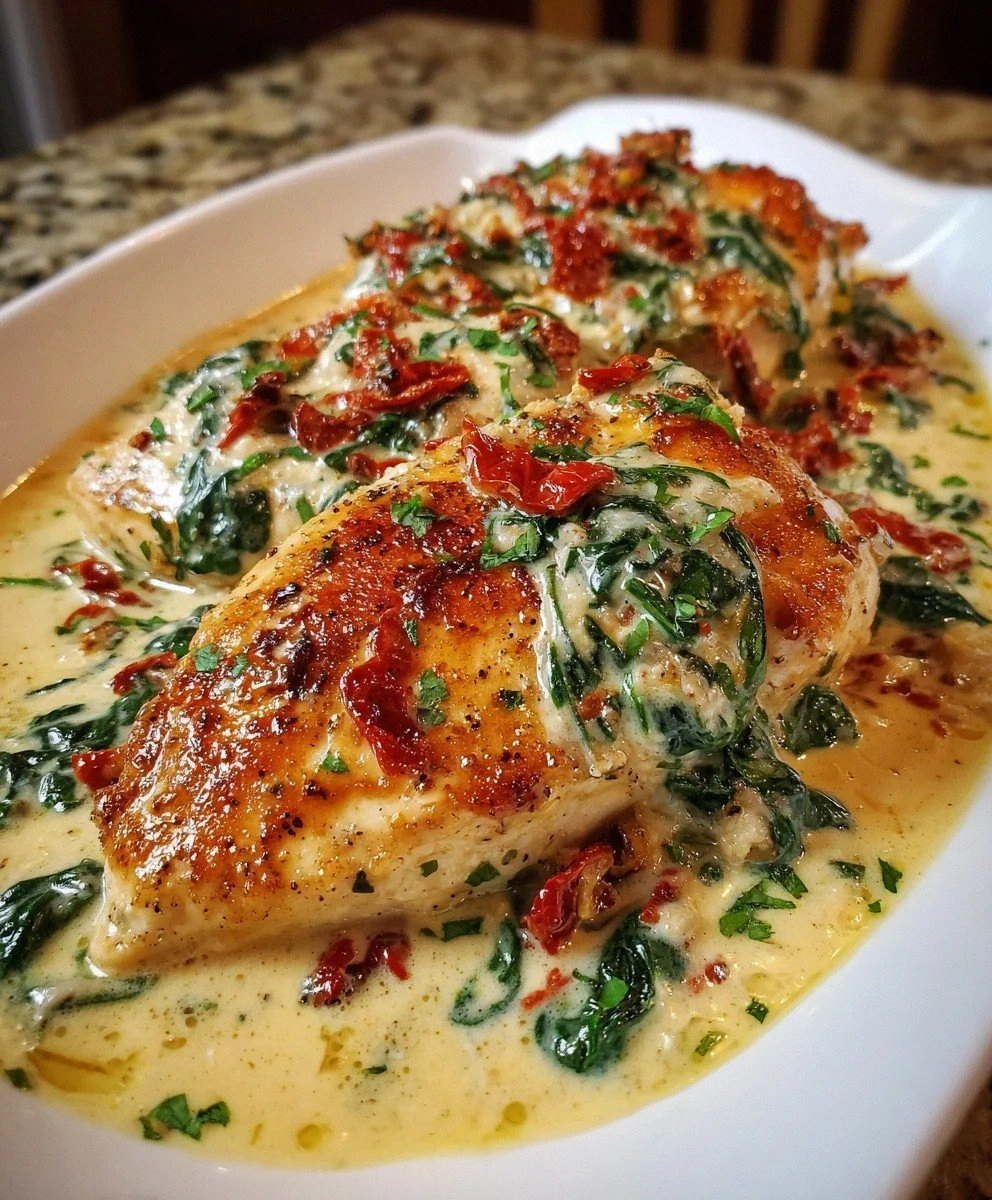
The Method — Step by Step
- Pat the chicken absolutely dry with paper towels—moisture is the arch-nemesis of sear. Season both sides generously with salt, pepper, and that kiss of smoked paprika. Heat a heavy stainless or cast-iron skillet over medium-high until a drop of water skitters like it’s late for a meeting, then swirl in two tablespoons of the sun-dried tomato oil. Lay the chicken away from you gently; it should hiss like a cat discovering cucumber. Let it cook undisturbed for four minutes—yes, four full minutes of self-control—until the underside is the color of antique mahogany. Flip, reduce heat to medium, and cook another three minutes. Transfer to a plate; they’ll finish in the sauce later.
- While the pan is still hot and heroic, add minced garlic. Stir for thirty seconds only—just until it smells like you walked into a trattoria at dusk. If the garlic browns, you’ve leapt into bitter town; keep it blonde and fragrant. Tilt the pan so the oil collects like a pool, and swirl continuously to avoid hot spots. This is the moment of truth: that sizzle when it hits the pan? Absolute perfection.
- Pour in the heavy cream slowly, whisking with the pan still over medium heat. You want to marry the cream with those bronzed bits stuck to the metal—those are liquid gold, aka fond. As the cream bubbles, scrape gently with a wooden spoon; the sauce will turn the color of café au lait and smell like dairy promised land. Resist the urge to crank the heat; high temps break the sauce and leave you with oily puddles and sad little islands of curdled cream.
- Now the fun part: add grated Parmesan a handful at a time, whisking like you’re beating eggs for an omelet. Freshly grated is mandatory—pre-shredded cellulose-coated stuff refuses to melt smoothly and will clump like wet sand. The sauce should thicken enough to coat the back of a spoon; draw a line with your finger and it should hold like a runway stripe. If it’s too thick, loosen with a splash of pasta water or chicken stock; too thin, keep it on the burner another minute, stirring constantly.
- Slice the sun-dried tomatoes into thin ribbons so they distribute evenly instead of clumping like rebellious teenagers. Add them to the sauce and let them simmer for exactly ninety seconds—long enough to release their sweet-tart perfume but short enough to keep a little chew. Taste and adjust salt; the tomatoes bring salinity, so you might need less than you think. The sauce will speckle like a rosy galaxy, and you’ll be tempted to drink it with a straw. Don’t.
- Nestle the chicken back into the pan, spooning sauce over each piece like you’re tucking it into bed. Reduce heat to low, cover, and let everything mingle for five minutes—just enough time for the meat to finish cooking and absorb some of that liquid luxury. If you’ve got a probe thermometer, pull the chicken at 160 °F; carry-over heat will coast it to the safe 165 °F while keeping it juicy.
- Off-heat, scatter baby spinach across the surface and cover again for one minute. The residual steam wilts the leaves into silky ribbons without turning them into khaki mush. They’ll darken to emerald and glisten like they’ve been visiting a spa. Give the pan a gentle swirl; the spinach should submerge like it’s diving into a cream jacuzzi.
- Finish with a shower of fresh-cracked pepper and a final dusting of Parmesan because we’re shameless like that. Let the whole skillet rest for two minutes—just long enough to grab plates, pour wine, and bask in the applause that is absolutely coming your way. Serve straight from the pan for rustic charm, or plate it over fettuccine, mashed potatoes, or even roasted cauliflower if you’re keeping it keto.
That’s it—you did it. But hold on, I’ve got a few more tricks that’ll take this to another level...
Insider Tricks for Flawless Results
The Temperature Rule Nobody Follows
Room-temp chicken sears more evenly than ice-cold slabs straight from the fridge. Let the breasts lounge on the counter for fifteen minutes while you prep ingredients; they’ll cook faster, stay juicier, and develop that gorgeous crust we’re chasing. I tested this side by side with frigid chicken and the difference was stark—one looked sun-kissed, the other blotchy and sad. If you’ve ever struggled with this, you’re not alone—and I’ve got the fix.
Why Your Nose Knows Best
Garlic goes from sweet to acrid in the blink of an eye. When you smell that first wave of nutty fragrance, you have maybe fifteen seconds before bitterness crashes the party. Keep your nose hovering like a truffle hound and add the cream immediately after that golden minute. A friend tried skipping this step once—let’s just say it didn’t end well and her house smelled like burnt garlic for three days.
The 5-Minute Rest That Changes Everything
After the chicken re-enters the sauce, walk away. Set a timer, fold laundry, practice your acceptance speech—whatever keeps you from poking and prodding. Those five covered minutes let the carry-over heat finish the job while the proteins relax and reabsorb juices. Slice too early and you’ll flood the sauce with pink-tinged liquid that looks like a crime scene. Patience equals Instagram-worthy pools of creamy gold.
Creative Twists and Variations
This recipe is a playground. Here are some of my favorite ways to switch things up:
Fire-Roasted Red Pepper Remix
Swap half the sun-dried tomatoes for diced fire-roasted jarred peppers; they bring smoky sweetness and gorgeous ruby streaks. Add a pinch of crushed red-pepper flakes for gentle heat that blooms across your tongue like slow-motion fireworks. Perfect for friends who think black pepper is spicy.
Mushroom & Thief of Hearts
Sauté eight ounces of cremini mushrooms in the chicken fat before the garlic step; they’ll soak up the fond and turn meaty. Finish with fresh thyme leaves that smell like a forest after rain. Even sworn carnivores won’t miss the chicken if you double the ‘shrooms and go vegetarian.
Lemon Zest Brightness Bomb
Stir in a teaspoon of finely grated lemon zest with the spinach for a sunny pop that cuts through the richness. It’s like adding a silk scarf to a cashmere coat—still luxe, but with effortless lift. Ideal for spring dinners when you want comfort without the food coma.
Smoky Bacon Wonderland
Start by rendering three strips of chopped bacon; use the fat instead of tomato oil to sear the chicken. The smoky pork mingles with cream and tomatoes for a carbonara-meets-Tuscany mash-up. If you’ve ever struggled choosing between breakfast-for-dinner and Italian night, consider this your delicious compromise.
Shrimp Swap-Out
Replace chicken with peeled shrimp; sear just ninety seconds per side, then proceed as written. Seafood cream sauces can feel heavy, but the sun-dried tomatoes slice through like a citrusy counterpoint. Picture yourself on a coastal terrace at dusk—this variation tastes like that view.
Lighter Greek Yogurt Spin
For a waist-friendlier take, sub half the cream with full-fat Greek yogurt whisked in off-heat. It’s tangier, looser, and still decadently creamy thanks to the yogurt’s natural stabilizers. You’ll feel smug eating leftovers at your desk tomorrow—trust me, I’ve been there.
Storing and Bringing It Back to Life
Fridge Storage
Let the skillet cool completely, then ladle leftovers into airtight glass containers. They’ll keep four days refrigerated, though the spinach will darken slightly—still delicious, just less photogenic. Store sauce and chicken together; the dairy protects the meat from drying out, and the tomatoes infuse everything like little flavor depth-charges.
Freezer Friendly
Portion into freezer bags, press out excess air, and freeze flat for up to two months. Dairy sauces can separate when frozen, so thaw overnight in the fridge, then reheat gently with a splash of chicken stock while whisking like you’re auditioning for a cooking show. The texture won’t be identical, but it’s miles better than takeout on a frantic Wednesday.
Best Reheating Method
Low and slow is gospel: place leftovers in a saucepan with a tablespoon of liquid—stock, milk, even water—and warm over medium-low, stirring often. Microwave works in a pinch, but use fifty-percent power and stir every thirty seconds to prevent eruption-style splatters. Add a tiny splash of water before reheating—it steams back to perfection and tastes almost first-day luscious.