Picture this: you’re standing in a cramped kitchen, the clock is ticking, and a craving for something both comforting and daring is gnawing at you. I once tried to impress a friend with a “quick salmon” that turned out as limp as a soggy napkin—no crunch, no zing, just a sad, overcooked slab. That disaster sparked a midnight mission, a dare to create a version that would make even the most skeptical palate gasp, “Whoa, is that really salmon?” Fast forward a few weeks, a few burnt attempts, and a pantry full of sauces, and I finally nailed it. The result? Crispy Bang Bang Salmon that sings sweet, spicy, and unbelievably easy—so good I’m willing to bet you’ll eat the whole pan before anyone else even gets a fork.
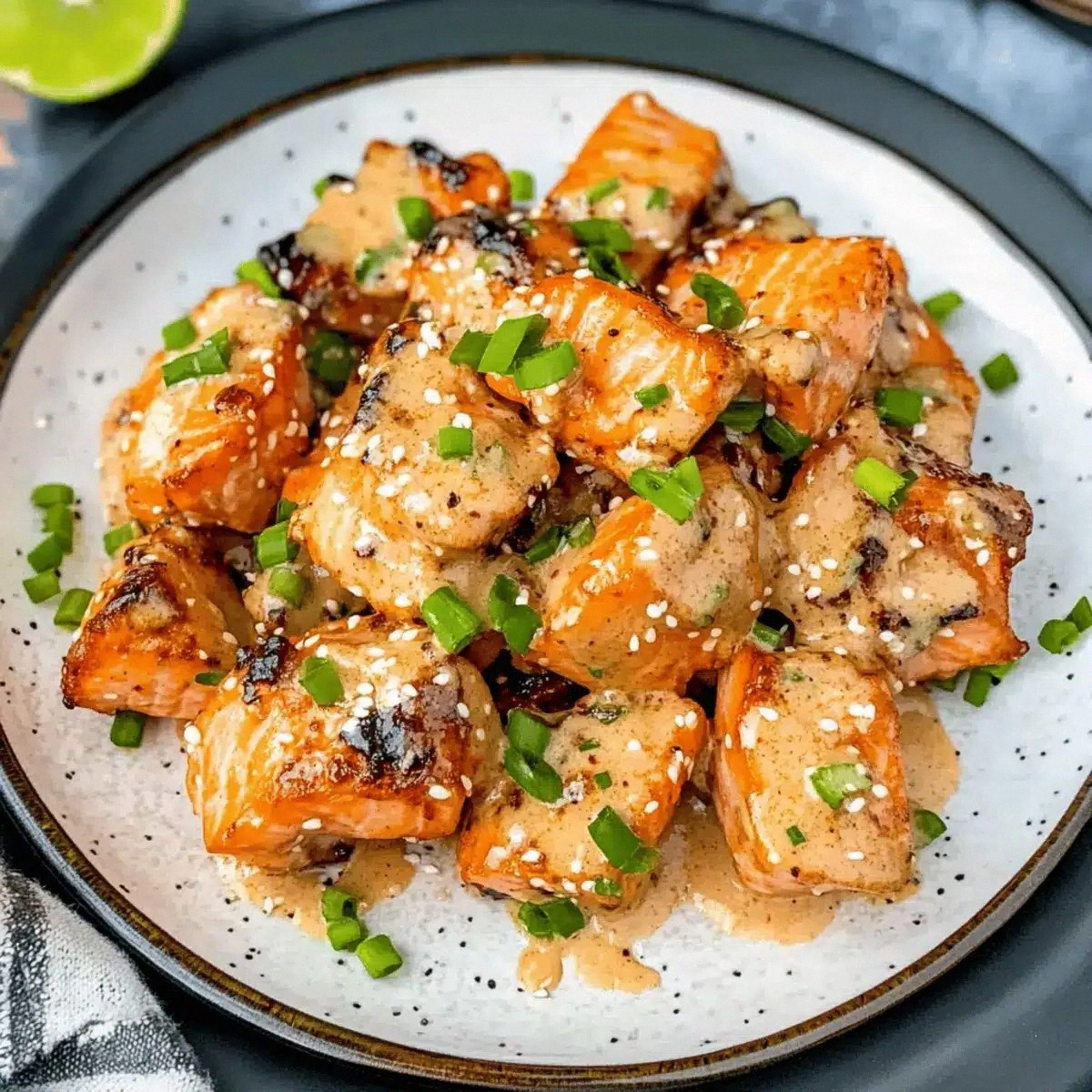
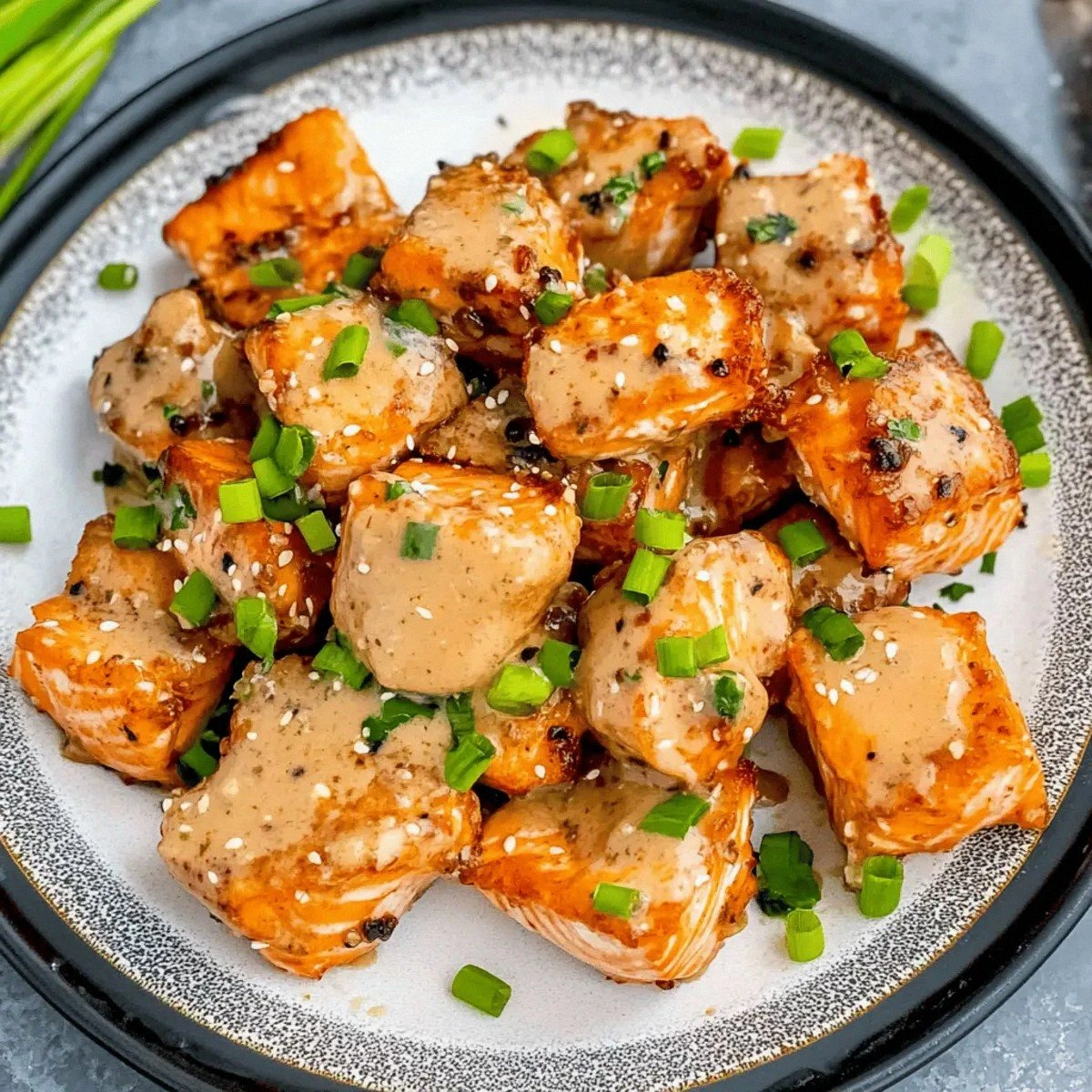
The moment the salmon hits the skillet, you hear a sizzle that feels like a drumroll announcing a showstopper. The aroma of smoked paprika and garlic powder swirls with the subtle tang of lime, while the honey and Thai sweet chili sauce begin to caramelize, creating a glossy glaze that clings like a second skin. As the edges crisp, they shatter under your fork like thin ice on a spring pond—each bite delivering a satisfying crunch followed by a buttery interior that melts on the tongue. The heat from the sriracha and cayenne pepper gives it a flirtatious kick, but the honey steps in just in time, smoothing the heat into a warm hug you’ll want to linger in.
What makes this version truly stand out is the marriage of a classic “Bang Bang” sauce with a high‑heat, pan‑seared technique that guarantees crispiness without deep‑frying. Most recipes drown the fish in a heavy coating or rely on a broiler that leaves you guessing about texture. Not here. I’ve stripped the process down to a handful of pantry staples, a quick seasoning rub, and a sauce that you can whip up in the time it takes to set the table. The secret weapon? A splash of olive oil that helps the spices lock onto the fish, and a finishing drizzle of lime juice that brightens every bite.
But wait—there’s a twist you won’t see coming. I’ve added a dash of smoked paprika, which gives the crust a smoky depth you’d normally expect from a grill, and a pinch of cayenne that adds a whisper of heat without overwhelming the natural richness of the salmon. The result is a dish that feels both familiar and adventurous, perfect for a quick weeknight dinner or a show‑stopping party appetizer. I dare you to taste this and not go back for seconds. Let me walk you through every single step — by the end, you’ll wonder how you ever made it any other way.
What Makes This Version Stand Out
- Flavor Explosion: The sweet‑heat balance of honey, sriracha, and Thai chili creates a sauce that coats the salmon like velvet, delivering layers of taste in every bite.
- Crunch Factor: A quick sear in olive oil locks in moisture while forming a crispy crust that shatters like thin ice, giving you that satisfying crunch without deep‑frying.
- Simplicity: Fewer than ten ingredients, all pantry‑friendly, mean you can pull this together in under an hour, no fancy gadgets required.
- Unique Twist: Smoked paprika and lime juice introduce a smoky‑citrus note that most Bang Bang recipes completely miss.
- Crowd‑Pleaser: The bold sweet‑spicy profile has been known to convert even the pickiest eaters; I’ll be honest — I ate half the batch before anyone else got to try it.
- Ingredient Quality: Using fresh, wild‑caught salmon elevates the dish, but the seasoning works just as well with responsibly farmed fillets.
- Cooking Method: Pan‑searing ensures even heat distribution, preventing the dreaded “raw center, burnt edges” scenario.
- Make‑Ahead Potential: The sauce can be prepared ahead of time and stored in the fridge, making the final assembly a breeze on busy nights.
Inside the Ingredient List
The Flavor Base
Mayonnaise: Acts as the creamy anchor for the sauce, binding honey, sriracha, and Thai sweet chili into a smooth emulsion. Skipping it will leave the sauce thin and unable to cling to the fish. If you’re dairy‑free, substitute with a plant‑based mayo of equal thickness.
Thai Sweet Chili Sauce: Provides that signature sweet heat, delivering a glossy sheen and a subtle garlic note. A lower‑sugar version works, but expect a slightly less caramelized finish. You can also use a homemade blend of rice vinegar, sugar, and chilies if you’re feeling adventurous.
Sriracha Sauce: The fiery backbone that cuts through the sweetness. Too much and you’ll overpower the fish; too little and the dish feels flat. Adjust to your heat tolerance, but remember the cayenne pepper already adds a punch.
The Texture Crew
Olive Oil: A light coating that helps the spice rub adhere and creates a barrier to lock in moisture. Use extra‑virgin for flavor, but any neutral oil will do if you’re watching the taste profile.
Garlic Powder & Onion Powder: These dry aromatics infuse the crust with depth without the risk of burning fresh garlic. If you have fresh garlic, mince it finely and add it to the oil for an extra layer of aroma, but keep an eye on the heat.
Smoked Paprika: The secret smoky note that mimics a grill’s char without the outdoor hassle. It also adds a beautiful reddish hue to the crust. If you can’t find smoked, regular paprika plus a pinch of liquid smoke works in a pinch.
The Unexpected Star
Honey: Balances the heat with natural sweetness and helps the sauce caramelize on the pan, creating that irresistible glaze. Too much will make the crust sticky; a drizzle is enough to achieve the perfect shine.
Lime Juice: A splash of acidity that brightens the entire dish, cutting through the richness of the mayo and salmon. Add it at the end to preserve its fresh zing; cooking it away will mute its impact.
The Final Flourish
Salt & Black Pepper: Fundamental seasoning that enhances all other flavors. Use kosher salt for a clean taste, and freshly cracked black pepper for a subtle bite.
Cayenne Pepper: A tiny pinch that adds a lingering warmth without overwhelming the palate. Adjust based on your spice tolerance, but remember the sriracha already brings heat.
Salmon Fillets (1 pound): The star of the show. Look for fillets that are about 1‑inch thick for even cooking; thicker pieces may need a lower heat to avoid burning the crust before the interior cooks through.
Everything's prepped? Good. Let's get into the real action...
The Method — Step by Step
-
Start by patting the salmon fillets dry with paper towels. This simple step removes surface moisture, which is the main enemy of a crisp crust. Once dry, place the fillets on a plate and sprinkle both sides evenly with garlic powder, onion powder, smoked paprika, salt, black pepper, and cayenne pepper. The spices should cling lightly; if they slide off, give the fish another quick pat dry.
Kitchen Hack: Let the seasoned salmon rest for 5 minutes before cooking; this allows the salt to draw out a little moisture, which then re‑absorbs, seasoning the flesh more deeply. -
Heat a large non‑stick skillet over medium‑high heat and add the olive oil. When the oil shimmers—think of a tiny mirror reflecting the kitchen lights—you’ll know it’s ready. Gently lay the salmon skin‑side down (if your fillets have skin) and listen for that immediate sizzle; that’s the sound of flavor being locked in.
Let the fish cook undisturbed for about 4‑5 minutes. You’ll see the edges start to turn opaque and the crust will begin to brown. Resist the urge to flip early; patience is the secret to a flawless crust.
-
While the salmon cooks, whisk together the mayo, Thai sweet chili sauce, sriracha, honey, and lime juice in a medium bowl. The mixture should become a glossy, slightly thick sauce that clings to a spoon. Taste it and adjust: a splash more lime for brightness, a drizzle more honey for sweetness, or an extra dash of sriracha for heat.
Watch Out: If your sauce looks too thin, add a teaspoon of extra mayo; if it’s too thick, thin it with a teaspoon of water or extra lime juice. -
When the first side is beautifully golden and the fish releases easily from the pan, flip it carefully using a spatula. Cook the second side for another 3‑4 minutes, or until the interior reaches an internal temperature of 125‑130°F (52‑54°C) for medium‑rare. Remember, the salmon will continue to cook slightly after you remove it from the heat.
During the final minute, spoon half of the Bang Bang sauce over the top of the fillets, letting it melt into the hot flesh. This creates a glossy glaze that begins to caramelize, adding depth to the crust.
-
Once both sides are done, transfer the salmon to a serving platter. Drizzle the remaining sauce generously over the top, allowing it to pool around the edges. The sauce should be thick enough to coat but still flow like liquid amber.
Now, for the final visual and textural pop, sprinkle a pinch of extra smoked paprika and a few fresh lime zest shavings. The zest adds a fragrant citrus note that lifts the entire dish.
Kitchen Hack: If you want an extra‑crunchy exterior, finish the salmon under a broiler for 1‑2 minutes after pan‑searing, but watch closely to avoid burning. -
Allow the salmon to rest for 2‑3 minutes before serving. This short rest lets the juices redistribute, ensuring each bite is moist and flavorful. It also gives the sauce a chance to set, preventing it from sliding off the plate.
Serve with a side of steamed jasmine rice, sautéed greens, or a simple cucumber salad. The crispness of the fish pairs beautifully with cool, crunchy vegetables, balancing the sweet‑spicy profile.
-
Enjoy! Picture yourself pulling this out of the oven (or skillet), the whole kitchen smelling incredible, and that first bite delivering a crunch that shatters like thin ice followed by a buttery melt.
That moment? Pure magic. And if you’re still hungry for more, stay with me here — I’ve got a few extra tricks that will take this dish to another level.
Insider Tricks for Flawless Results
The Temperature Rule Nobody Follows
Most home cooks crank the heat up to “fast‑cook” and end up with burnt edges and raw centers. The real trick is to start medium‑high, then lower to medium once the skin crisps. This gives the interior time to cook gently while the exterior stays crunchy. I once tried a high‑heat blast and learned the hard way that a burnt crust masks the delicate salmon flavor.
Why Your Nose Knows Best
When the sauce starts to caramelize, you’ll notice a sweet, slightly nutty aroma rising from the pan. That’s your cue that the glaze is reaching its peak gloss. If you wait too long, the sugars will turn bitter. Trust your nose more than the clock; it’s the most reliable kitchen timer.
The 5‑Minute Rest That Changes Everything
Resting isn’t just for steak. Letting the salmon sit for a few minutes after cooking allows the protein fibers to relax, locking in moisture. Skipping this step results in a drier bite, especially if you’re serving the fish on a bed of rice that will soak up any escaping juices.
Oil Choice Matters
While extra‑virgin olive oil adds flavor, it has a lower smoke point than refined oils. If you notice the oil smoking before the crust forms, switch to a high‑smoke‑point oil like avocado or grapeseed for the sear, then finish with a drizzle of olive oil for flavor.
Layering Flavors Like a Pro
Instead of dumping all the sauce on the fish at once, apply half during the final minute of cooking and the rest after plating. This two‑step approach creates a caramelized base and a fresh, glossy finish. It’s the difference between a flat glaze and a sauce that sings.
Creative Twists and Variations
This recipe is a playground. Here are some of my favorite ways to switch things up:
Maple‑Chipotle Bang Bang
Swap honey for pure maple syrup and add a teaspoon of chipotle powder. The result is a smoky‑sweet version that pairs wonderfully with roasted sweet potatoes.
Coconut‑Lime Fusion
Replace the mayo with coconut cream, add a splash of coconut milk, and increase lime juice. This tropical spin works great with grilled pineapple on the side.
Herb‑Infused Crunch
Mix finely chopped fresh cilantro or basil into the spice rub. The herbaceous notes brighten the dish and make it perfect for spring gatherings.
Spicy Peanut Bang Bang
Stir a tablespoon of creamy peanut butter into the sauce and reduce the sriracha by half. You’ll get a nutty depth reminiscent of Thai satay, perfect with cucumber ribbons.
Garlic‑Lemon Parmesan Crust
After searing, sprinkle grated Parmesan and a dash of garlic powder over the top, then broil for 1 minute. The cheese melts into a golden, crunchy layer that adds umami richness.
Storing and Bringing It Back to Life
Fridge Storage
Place leftover salmon in an airtight container, drizzle a tiny splash of olive oil over the top, and store in the refrigerator for up to 3 days. The oil prevents the fish from drying out.
Freezer Friendly
Separate the sauce from the fish before freezing. Store the sauce in a zip‑top bag and the cooked salmon in a freezer‑safe container. Both freeze well for up to 2 months. Thaw in the fridge overnight before reheating.
Best Reheating Method
Reheat gently in a skillet over low heat, adding a tablespoon of water or broth to create steam. Cover the pan for 2‑3 minutes, allowing the sauce to re‑glaze without drying out. This method restores the crispness and keeps the fish flaky.