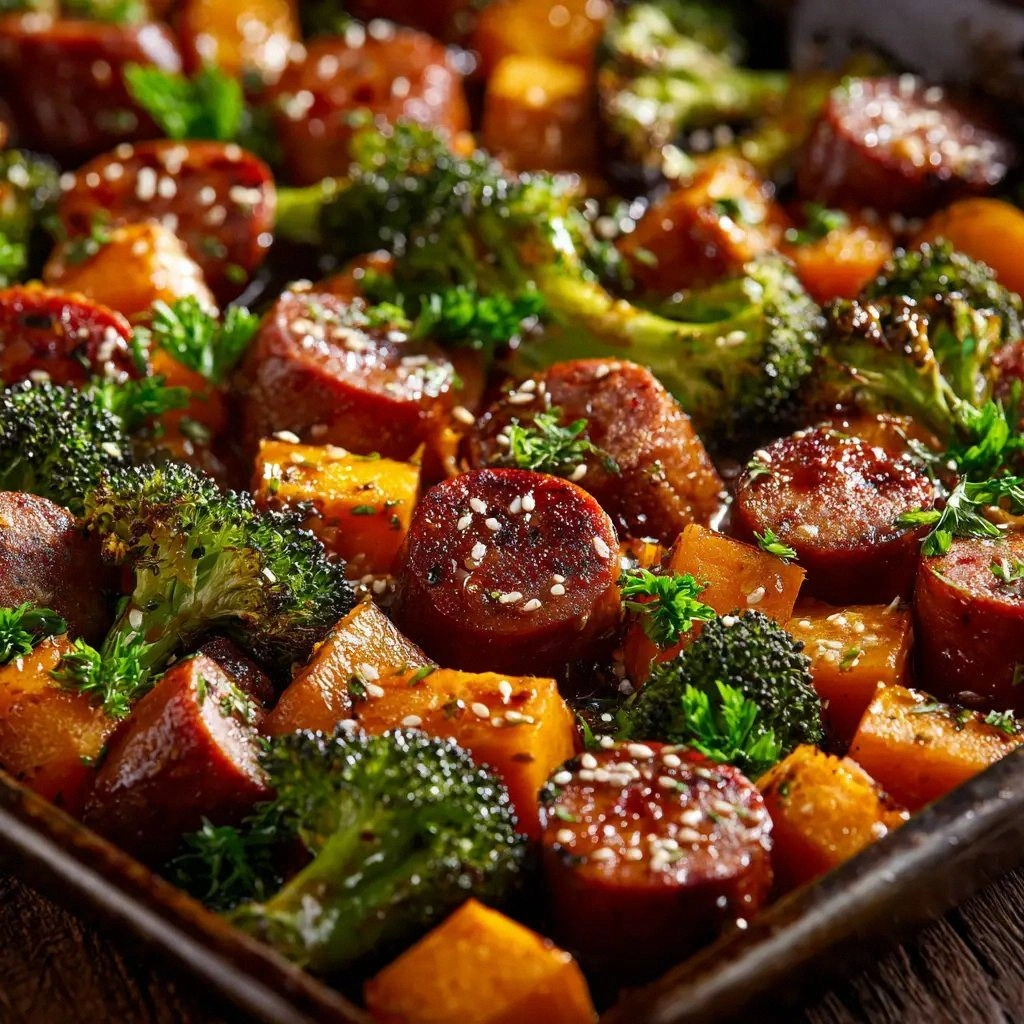
Picture this: it’s a rainy Thursday, the kind of night that feels like a culinary invitation. I’m standing in my kitchen, staring at a handful of sweet potatoes that have been gathering dust in the fridge, while a half‑sized smoked sausage sits on the counter, smelling like a promise of adventure. The kitchen clock reads 7:15 PM, and the only thing on my mind is whether I can turn this hunk of ingredients into a dinner that will make my roommate’s eyes pop. I was about to toss the sausage into a pan and let it sizzle when a friend texted me, “I dare you to taste this and not go back for seconds.” That was the spark that lit this recipe into being.
I was determined to create a sheet pan masterpiece that would win the “best weeknight meal” title in my household. The sweet potatoes, when roasted to caramelized perfection, release a caramelized, almost buttery sweetness that pairs with the smoky, earthy notes of the sausage. The bell peppers add a pop of color and a crisp bite, while the red onion contributes a subtle sharpness that cuts through the richness. Together, they form a symphony of textures and flavors that dance across the palate. I promised myself that this would be the ultimate version of a sheet pan dish, and I was ready to prove it.
What sets this version apart is not just the ingredients, but the way they’re orchestrated. I use a blend of garlic powder, smoked paprika, and dried oregano to create a seasoning that’s both aromatic and bold, giving the dish depth without overpowering the natural sweetness of the potatoes. The sausage is sliced thin, allowing it to render its fat and mingle with the vegetables, creating a cohesive flavor profile. The method of roasting on a single sheet pan eliminates cleanup chaos, and the result is a dish that looks as good as it tastes. I’ve been told that the first bite is a revelation—like a surprise party for the taste buds.
I’ll walk you through every single step, from preheating the oven to the final garnish. By the end, you’ll wonder how you ever made this any other way. Let’s get started, and remember: this is hands down the best version you’ll ever make at home.
What Makes This Version Stand Out
- Taste: A harmonious blend of sweet, smoky, and savory notes that elevate every bite.
- Texture: Crispy edges on the sweet potatoes that shatter like thin ice, contrasted with tender sausage slices.
- Simplicity: One sheet pan, one pot, and minimal prep—ideal for busy nights.
- Uniqueness: The combination of smoked sausage with sweet potatoes is rarely seen, creating a standout flavor.
- Crowd Reaction: Even the most picky eaters love the balanced flavors and comforting feel.
- Ingredient Quality: Using fresh, high‑quality sausage and organic sweet potatoes makes the difference.
- Cooking Method: The sheet pan technique locks in juices and creates a caramelized crust.
- Make‑Ahead Potential: The dish can be assembled ahead and baked later, saving precious time.
Alright, let's break down exactly what goes into this masterpiece...
Inside the Ingredient List
The Flavor Base
The cornerstone of this dish is the seasoning blend. Garlic powder, smoked paprika, and dried oregano create an aromatic foundation that permeates every bite. The garlic powder provides a subtle, sweet backbone that balances the smoky sausage. Smoked paprika adds depth, giving the dish a gentle, earthy warmth. Dried oregano introduces a hint of herbal brightness, preventing the flavors from becoming too one‑dimensional. If you skip this blend, the dish loses its cohesive character and feels flat.
Swap the oregano for fresh thyme for a slightly different aromatic profile. If you prefer a milder flavor, reduce the paprika by half, but keep the garlic powder to maintain the base’s integrity. For a touch of heat, add a pinch of cayenne pepper. The key is to taste as you go; seasoning is a personal conversation between you and the dish.
The Texture Crew
Sweet potatoes are the star of the show. Their natural starches caramelize beautifully, creating a sweet, slightly crunchy exterior while remaining tender inside. I recommend using Yukon Gold or orange sweet potatoes for their buttery flesh and natural sweetness. If you’re short on time, pre‑cut the potatoes into thin slices; this speeds up roasting and ensures uniform cooking.
Bell peppers add vibrant color and a crisp bite that contrasts the soft potatoes. Red and green peppers each bring distinct flavors—red peppers are sweeter, while green peppers are slightly bitter. The red onion contributes a sharpness that cuts through the richness of the sausage. Together, these vegetables create a dynamic textural experience.
The Unexpected Star
Smoked sausage is the unexpected star that elevates this dish from ordinary to extraordinary. Its smoky, slightly spicy profile complements the sweet potatoes and peppers, while the rendered fat bastes the vegetables, adding moisture and flavor. I use a 14‑oz kielbasa for its robust taste and firm texture. If you’re vegetarian, substitute with a plant‑based sausage that offers a smoky flavor.
The sausage’s fat content is essential; it creates a flavorful glaze that coats the sheet pan, preventing sticking and adding a caramelized finish. Without it, the dish would be drier and less cohesive. If you’re watching calories, you can trim the sausage fat, but be prepared for a less juicy result.
The Final Flourish
Olive oil is the unsung hero that brings everything together. It helps the seasoning cling to the vegetables and prevents them from drying out. I use two tablespoons—enough to coat the pan and the ingredients lightly. Olive oil also adds a subtle fruity note that balances the smoky flavors.
The final seasoning—salt and black pepper—brings everything to a harmonious finish. I use ½ teaspoon of salt and ¼ teaspoon of black pepper to keep the dish from becoming too salty or overly peppery. Adjust these to taste, but remember that the sausage already contributes a fair amount of saltiness.
Everything's prepped? Good. Let's get into the real action...
The Method — Step by Step
-
Preheat your oven to 425°F (220°C). Line a large baking sheet with parchment paper or a silicone mat to prevent sticking. This step ensures a consistent heat source and easy cleanup. The high temperature is key to caramelizing the sweet potatoes and crisping the edges of the sausage.
-
While the oven heats, wash the sweet potatoes, bell peppers, and onion thoroughly. Pat them dry with a clean towel—moisture is the enemy of crispiness. Peel the sweet potatoes if you prefer a smoother texture, but leaving the skin on adds fiber and color.
-
Slice the sweet potatoes into ½‑inch rounds, the peppers into bite‑size strips, and the onion into wedges. This uniformity ensures even cooking. I recommend using a mandoline slicer for precise thickness—just remember to keep the guard in place for safety.
-
In a large bowl, combine the sliced sweet potatoes, peppers, and onion. Drizzle with 2 tablespoons of olive oil and toss gently to coat. Sprinkle the garlic powder, smoked paprika, and dried oregano over the mixture, then add the salt and pepper. Mix again until the vegetables are evenly seasoned.
-
Lay the sausage slices on top of the seasoned vegetables, arranging them in a single layer. The sausage should be evenly spaced; overlapping can cause uneven cooking. The rendered fat will mingle with the vegetables, creating a flavorful glaze.
-
Place the baking sheet in the preheated oven and bake for 25 minutes. After 10 minutes, give the pan a gentle shake to redistribute the vegetables and sausage. This ensures even caramelization on all sides.
-
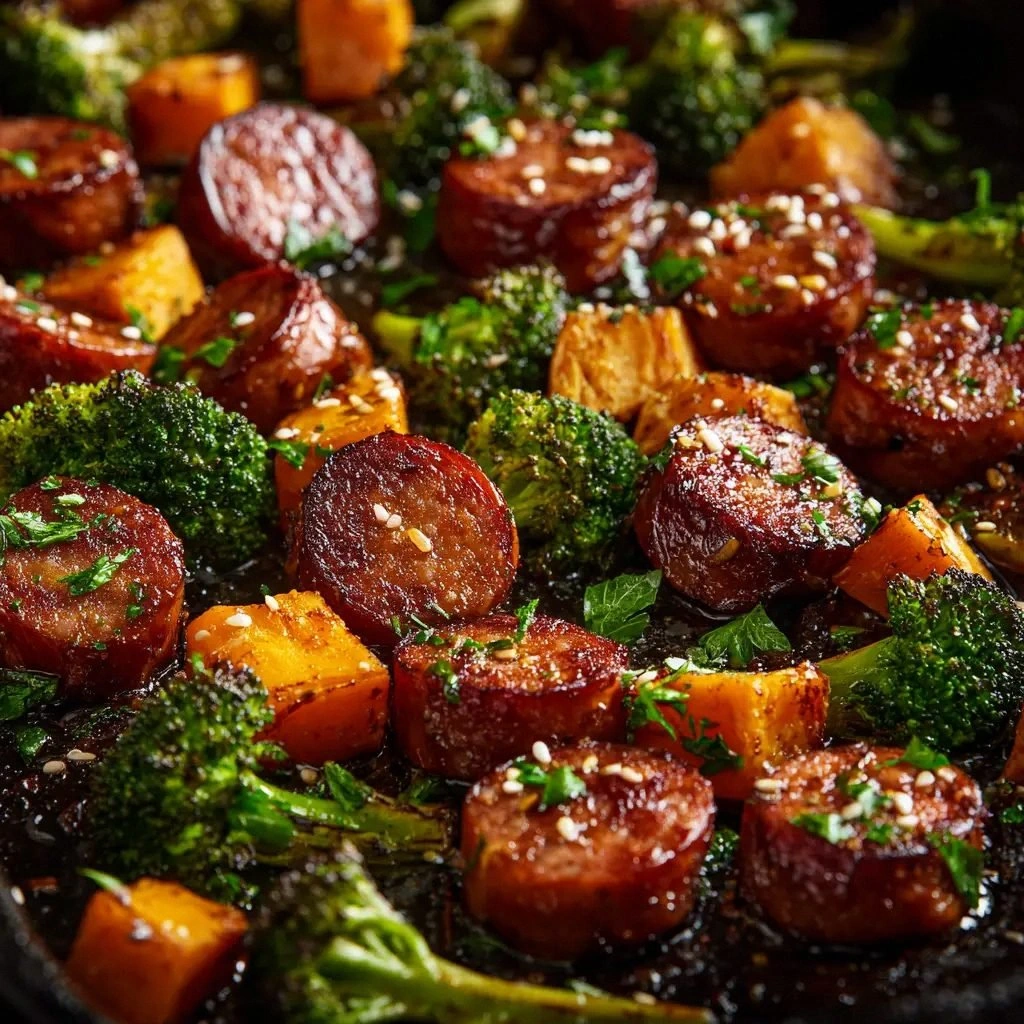
Continue baking for another 15 minutes, or until the sweet potatoes are tender and the edges of the sausage are crisp. The smell of caramelized potatoes and smoked sausage should fill the kitchen—absolute perfection.
-
Remove the sheet pan from the oven and let the dish rest for 5 minutes. This brief rest allows the juices to redistribute, ensuring each bite is moist and flavorful. Serve immediately with a sprinkle of fresh parsley if desired.
That's it — you did it. But hold on, I've got a few more tricks that'll take this to another level...
Insider Tricks for Flawless Results
The Temperature Rule Nobody Follows
Many people bake at 400°F, but 425°F is the sweet spot for caramelization without burning. The higher heat ensures the sweet potatoes develop a golden crust while the sausage renders its fat. I’ve tried 450°F once, and the edges became too charred while the center stayed undercooked. Keep the oven rack in the middle to avoid heat concentration at the bottom.
Why Your Nose Knows Best
Trust your nose. If you smell a hint of caramelization, the dish is almost ready. The aroma of roasted sweet potatoes mingles with the smoky scent of sausage, signaling the perfect moment to pull the pan out. If the smell is too sharp, let it bake a few more minutes.
The 5‑Minute Rest That Changes Everything
Resting the dish for 5 minutes after baking allows the juices to settle, preventing a greasy mouthfeel. This short pause also lets the flavors meld, giving the dish a cohesive taste. I’ve seen people skip this step, and the result is a dish that feels underdeveloped.
Use a Skillet for Extra Crispness
If you want extra crisp sausage edges, finish the sausage in a hot skillet for 1–2 minutes after baking. The high heat will seal the edges and give a satisfying crunch. This trick is especially useful if you’re serving the dish with a side that’s a bit softer.
Keep the Pan Clean for the Next Batch
After baking, wipe the pan with a paper towel while it’s still warm. This prevents leftover grease from sticking to the next batch of veggies. I’ve found that a clean pan means a cleaner dish and a more vibrant color on each new batch.
Use Fresh Herbs for a Bright Finish
Sprinkle freshly chopped parsley or basil before serving to add a burst of color and freshness. The herbs cut through the richness of the sausage and add a layer of aromatic complexity. This final touch turns a simple sheet pan meal into a gourmet experience.
Creative Twists and Variations
This recipe is a playground. Here are some of my favorite ways to switch things up:
Smoky Chipotle Twist
Replace smoked paprika with chipotle powder for a smoky, spicy kick. Add a tablespoon of chipotle adobo sauce to the olive oil before tossing the vegetables. This version is perfect for those who like a little heat and a smoky depth.
Italian Sausage & Roasted Garlic
Swap the smoked sausage for Italian sausage and add a handful of minced garlic to the pan. The Italian sausage’s peppery flavor pairs wonderfully with the sweet potatoes, creating a dish that feels like a pasta bake.
Vegan Version
Use a plant‑based sausage that’s seasoned with smoked paprika and garlic powder. Add a tablespoon of nutritional yeast for a cheesy, umami boost. This version is just as hearty and satisfies the carnivore in all of us.
Breakfast Boost
Add a handful of spinach or kale to the pan in the last 5 minutes of baking. Serve the dish with a fried egg on top for a breakfast‑style meal. The fresh greens add a pop of color and nutrition.
Herb Garden
Finish the dish with fresh thyme, rosemary, or dill. The herbs add a fragrant, earthy layer that complements the sweet potatoes and sausage. This version feels like a garden in a pan.
Sweet & Tangy Finale
Drizzle a tablespoon of balsamic glaze over the finished dish. The tangy sweetness of the glaze cuts through the savory sausage and balances the sweet potatoes. This final touch is a game‑changer for those who love a bit of acidity.
Storing and Bringing It Back to Life
Fridge Storage
Cool the dish completely before transferring it to an airtight container. Store in the refrigerator for up to 4 days. The flavors continue to develop, making it even more delicious when reheated.
Freezer Friendly
Wrap the dish tightly in foil or plastic wrap before placing it in a freezer bag. Freeze for up to 2 months. Thaw overnight in the refrigerator before reheating. This method preserves the texture and flavor.
Best Reheating Method
Preheat your oven to 350°F (175°C). Place the dish in a shallow baking dish, cover with foil, and heat for 15–20 minutes. Add a splash of water or broth before covering to keep the vegetables from drying out. The result is a reheated dish that tastes almost as fresh as when it was first baked.