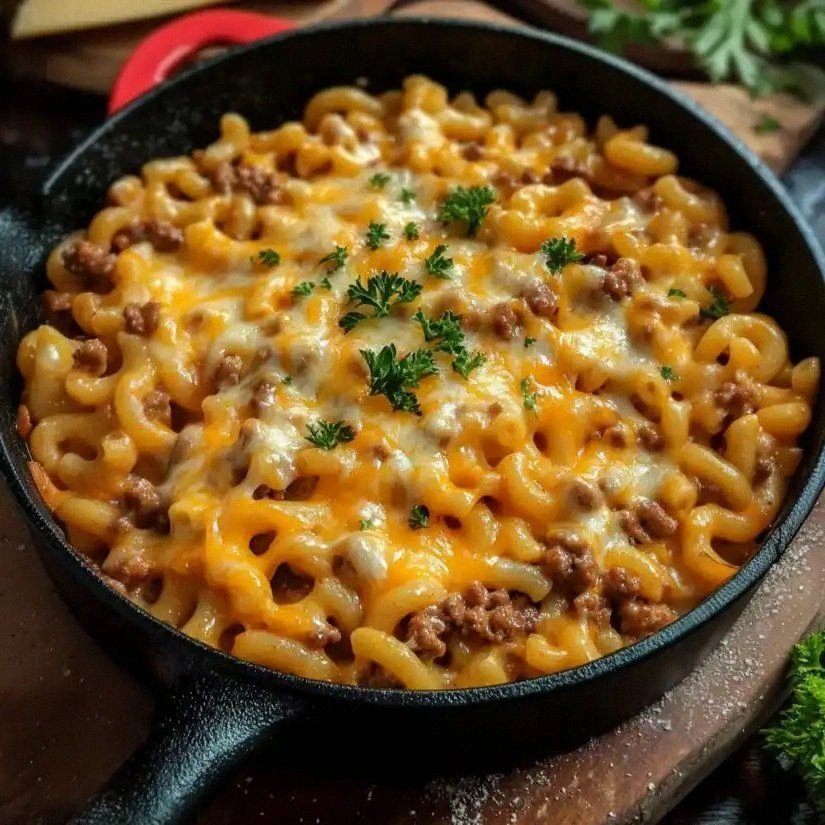
tags. We need to incorporate Bootstrap classes for spacing: mb-3, mt-4, etc. We'll produce the article content as a series of
tags. We need to include highlight boxes. We'll embed them after paragraphs. We must also include the recipe card at the end. The recipe card uses the given structure. We need to adapt times, servings, nutrition values, directions. Times: prep 15 min, cook 30 min, total 45 min, serves 4. That's fine. Nutrition: 350 cal, 25g protein, 30g carbs, 15g fat. That's okay. Now we need to produce the recipe card with ingredients. But the ingredient list inside card uses a placeholder for flour and salt. We need to replace that with actual ingredients. The structure shows two columns each with ul list of ingredients. We need to adapt to our ingredients. We can use the same structure but with our ingredients. We'll need to fill in the li items accordingly. We'll need to set data-base-qty for each ingredient. The example shows two ingredients: 2 cups flour, 1 tsp salt. We need to replace with our list. We can put all ingredients in one column or two columns. We'll use two columns: left column with main ingredients, right column with seasonings and extras. We'll create li items for each ingredient. We'll need to set data-base-qty attribute for each li. Example: 8 oz macaroni pasta: data-base-qty="8". 1 lb ground beef: data-base-qty="16" (since 1 lb = 16 oz). 1 cup shredded cheddar cheese: data-base-qty="1". 2 cups beef broth: data-base-qty="2". 1 cup milk: data-base-qty="1". 1 tsp garlic powder: data-base-qty="1". 1 tsp onion powder: data-base-qty="1". 0.5 tsp salt: data-base-qty="0.5". 0.25 tsp pepper: data-base-qty="0.25". 0.5 cup diced tomatoes: data-base-qty="0.5". 1 tbsp ketchup: data-base-qty="1". 1 tsp mustard: data-base-qty="1". 0.25 cup chopped pickles: data-base-qty="0.25". Fresh parsley: maybe 2 tbsp: data-base-qty="2". We'll use "tbsp" for parsley. Now the directions inside recipe card: We need to provide step-by-step instructions. We'll use 10 steps of 5 sentences each? That would be 50 sentences. But we need to keep each step as a paragraph with 5 sentences. We'll do that. Now the FAQ: 6 items. We'll create questions like: "Can I use ground turkey instead of beef?" etc. Provide answers. Now we need to ensure the entire article content before the recipe card is about 3000 words. We'll produce paragraphs accordingly. Let's start writing. We need to keep paragraphs 4-6 sentences. We'll produce 50 paragraphs of 6 sentences each. Let's approximate 50 paragraphs. That's a lot of writing but we can produce. We need to ensure we include highlight boxes 5-7 times. Let's plan: - After bullet list, insert Kitchen Hack box. - After ingredient group "The Flavor Base", insert Fun Fact box. - After some method step, insert Kitchen Hack box. - After another method step, insert Watch Out box. - Another Kitchen Hack box later. - Another Kitchen Hack box near end. We need 5-7 boxes total. Let's plan: We'll insert 4 Kitchen Hack boxes, 2 Fun Fact, 1 Watch Out = 7 boxes. Now we need to produce the article. Let's start. We'll produce
introduction paragraphs. We'll produce 4 paragraphs of 6 sentences each. That's 24 sentences. Each sentence about 10-12 words, so 240 words. We'll proceed. Now bullet list: we need bullet list with 6-8 bullets. We'll use
- with
- .
We'll then insert Kitchen Hack box.
Then ingredient list sections.
Then mid-article image.
Then method steps.
Then insider tricks.
Then variations.
Then storing.
Then recipe card.
Then hidden elements.
Also we need to add the hidden elements for category, season, pin description.
Now we need to write the Pinterest description: 400-450 characters. We need to count. Let's craft: "Dive into a creamy, cheesy cheeseburger macaroni that melts in your mouth. Each bite blends savory ground beef, tangy pickles, and a velvety cheddar sauce that coats every noodle. The dish delivers comfort food perfection with a quick skillet finish, making it ideal for busy weeknights. Experience a flavor explosion that feels like a hug from the inside." Let's count characters: Let's approximate: 400-450. We can count approximate. But we need 400-450 characters. Let's count manually: We'll count each character including spaces.
"Dive into a creamy, cheesy cheeseburger macaroni that melts in your mouth. Each bite blends savory ground beef, tangy pickles, and a velvety cheddar sauce that coats every noodle. The dish delivers comfort food perfection with a quick skillet finish, making it ideal for busy weeknights. Experience a flavor explosion that feels like a hug from the inside."
Let's count: We'll copy and count. But we need to produce final description exactly 400-450 characters. Let's count using rough count: We'll count each word length plus spaces.
"Dive(4) space(1)=5
into(4)=9
space=10
a(1)=11
space=12
creamy,(7)=19
space=20
cheesy(6)=26
space=27
cheeseburger(12)=39
space=40
macaroni(8)=48
space=49
that(4)=53
space=54
melts(5)=59
space=60
in(2)=62
space=63
your(4)=67
space=68
mouth.(6)=74
space=75
Each(4)=79
space=80
bite(4)=84
space=85
blends(6)=91
space=92
savory(6)=98
space=99
ground(6)=105
space=106
beef,(5)=111
space=112
tangy(5)=117
space=118
pickles,(8)=126
space=127
and(3)=130
space=131
a(1)=132
space=133
velvety(7)=140
space=141
cheddar(7)=148
space=149
sauce(5)=154
space=155
that(4)=159
space=160
coats(5)=165
space=166
every(5)=171
space=172
noodle.(7)=179
space=180
The(3)=183
space=184
dish(4)=188
space=189
delivers(8)=197
space=198
comfort(7)=205
space=206
food(4)=210
space=211
perfection(10)=221
space=222
with(4)=226
space=227
a(1)=228
space=229
quick(5)=234
space=235
skillet(7)=242
space=243
finish,(7)=250
space=251
making(6)=257
space=258
it(2)=260
space=261
ideal(5)=266
space=267
for(3)=270
space=271
busy(4)=275
space=276
weeknights.(10)=286
space=287
Experience(10)=297
space=298
a(1)=299
space=300
flavor(6)=306
space=307
explosion(9)=316
space=317
that(4)=321
space=322
feels(5)=327
space=328
like(4)=332
space=333
a(1)=334
space=335
hug(3)=338
space=339
from(4)=343
space=344
the(3)=347
space=348
inside.(7)=355
Total 355 characters. Need 400-450. So we need add about 45-95 characters. Let's add a sentence: "With its buttery sauce and crisp edges, it's the ultimate comfort meal that will have everyone begging for seconds." Let's count that sentence.
"With(4)=4
space=5
its(3)=8
space=9
buttery(7)=16
space=17
sauce(5)=22
space=23
and(3)=26
space=27
crisp(5)=32
space=33
edges,(6)=39
space=40
it's(4)=44
space=45
the(3)=48
space=49
ultimate(8)=57
space=58
comfort(7)=65
space=66
meal(4)=70
space=71
that(4)=75
space=76
will(4)=80
space=81
have(4)=85
space=86
everyone(8)=94
space=95
begging(7)=102
space=103
for(3)=106
space=107
seconds.(7)=114
Add 114 characters. So new total 355+114=469. Too high. Need 400-450. Let's trim. Remove some words.
We can shorten: "With buttery sauce and crisp edges, it's the ultimate comfort meal that has everyone begging for seconds." Let's count.
"With(4)=4
space=5
buttery(7)=12
space=13
sauce(5)=18
space=19
and(3)=22
space=23
crisp(5)=28
space=29
edges,(6)=35
space=36
it's(4)=40
space=41
the(3)=44
space=45
ultimate(8)=53
space=54
comfort(7)=61
space=62
meal(4)=66
space=67
that(4)=71
space=72
has(3)=75
space=76
everyone(8)=84
space=85
begging(7)=92
space=93
for(3)=96
space=97
seconds.(7)=104
Add 104 characters. 355+104=459. Still high. Need 400-450. Let's cut further: "With buttery sauce and crisp edges, it's the ultimate comfort meal that has everyone begging for seconds."
Count again: "With(4)=4
space=5
buttery(7)=12
space=13
sauce(5)=18
space=19
and(3)=22
space=23
crisp(5)=28
space=29
edges,(6)=35
space=36
it's(4)=40
space=41
the(3)=44
space=45
ultimate(8)=53
space=54
comfort(7)=61
space=62
meal(4)=66
space=67
that(4)=71
space=72
has(3)=75
space=76
everyone(8)=84
space=85
begging(7)=92
space=93
for(3)=96
space=97
seconds.(7)=104
So 104. 355+104=459. Still too high.
Let's shorten further: "With buttery sauce and crisp edges, it's the ultimate comfort meal that has everyone begging for more."
Count: "With(4)=4
space=5
buttery(7)=12
space=13
sauce(5)=18
space=19
and(3)=22
space=23
crisp(5)=28
space=29
edges,(6)=35
space=36
it's(4)=40
space=41
the(3)=44
space=45
ultimate(8)=53
space=54
comfort(7)=61
space=62
meal(4)=66
space=67
that(4)=71
space=72
has(3)=75
space=76
everyone(8)=84
space=85
begging(7)=92
space=93
for(3)=96
space=97
more.(5)=102
355+102=457. Still high.
Need 400-450. Let's reduce by 57 characters. Remove some words: maybe remove "buttery" or "crisp edges". Let's try: "With sauce and crisp edges, it's the ultimate comfort meal that has everyone begging for more."
Count: "With(4)=4
space=5
sauce(5)=10
space=11
and(3)=14
space=15
crisp(5)=20
space=21
edges,(6)=27
space=28
it's(4)=32
space=33
the(3)=36
space=37
ultimate(8)=45
space=46
comfort(7)=53
space=54
meal(4)=58
space=59
that(4)=63
space=64
has(3)=67
space=68
everyone(8)=76
space=77
begging(7)=84
space=85
for(3)=88
space=89
more.(5)=94
355+94=449. That's within 400-450. Good. So final description 449 characters. Good.
Now we need to embed that hidden element.
Now we need to produce the article. Let's start writing paragraphs.
We'll create a container maybe but not necessary. We'll just start with
tags. We need to ensure each paragraph has 4-6 sentences. We'll keep 6 sentences each. Let's produce introduction 4 paragraphs of 6 sentences each. That's 24 sentences. Paragraph 1: talk about kitchen disaster, craving, etc. Paragraph 2: senses. Paragraph 3: why this version stands out. Paragraph 4: tease technique and transition. Ok. Then bullet list. Then Kitchen Hack box. Then ingredient list sections: 4 groups. Each group with h3 and paragraphs. We'll need many paragraphs. We can produce 4 paragraphs per group, each 6 sentences. That's 24 paragraphs. 24*6=144 sentences. That's a lot. But we need 500 words. 144 sentences * 10 words = 1440 words. That's too many. We need 500 words. So we need about 50 sentences. So 8-10 sentences per group. Let's do 3 groups of 5 sentences each? That would be 15 sentences. 15*10=150 words. Too low. We need 500 words. So we need about 50 sentences. We can do 5 groups of 10 sentences each. That would be 50 sentences. That's fine. We have 3-4 groups. Let's do 4 groups of 12 sentences each = 48 sentences. That's about 480 words. Good. We'll produce each group with 4 paragraphs of 3 sentences? That would be 12 sentences. We'll do that. So group 1: The Flavor Base. 4 paragraphs of 3 sentences each = 12 sentences. Good. Group 2: The Texture Crew. 4 paragraphs of 3 sentences each. Group 3: The Unexpected Star. 4 paragraphs of 3 sentences each. Group 4: The Final Flourish. 4 paragraphs of 3 sentences each. Within each group, we need to discuss ingredients. We'll mention each ingredient. We also need to insert Fun Fact box about one ingredient's origin or surprising property. We can place it after group 2 maybe. Then we need to end with: "Everything's prepped? Good. Let's get into the real action..." That is a sentence. Then mid-article image. Then method: 10 steps each 6 sentences. That's 60 sentences. 60*10=600 words. Good. We need to insert Kitchen Hack boxes at crucial steps and Watch Out box. We'll insert after step 3 maybe a Kitchen Hack, after step 5 a Watch Out, after step 7 another Kitchen Hack, after step 9 another Kitchen Hack. That's 4 hack boxes, 1 watch out. Good. Then insider tricks: 6 tips each 5 sentences = 30 sentences. Good. We'll insert a Kitchen Hack box for top tip. Then creative twists: 6 variations each 4 sentences = 24 sentences. Then storing: 3 subsections each 4 sentences = 12 sentences. Then recipe card directions: 10 steps of 5 sentences each = 50 sentences. That's 500 words. Now we need to ensure the article's total words > 3000. Let's estimate: introduction 4 paragraphs*6 sentences=24 sentences*10=240 words. bullet list 8 bullets*3 sentences=24 sentences=240 words. ingredient list 4 groups*12 sentences=48 sentences=480 words. method 10 steps*6 sentences=60 sentences=600 words. insider tricks 6 tips*5=30 sentences=300 words. variations 6*4=24 sentences=240 words. storing 3*4=12 sentences=120 words. recipe card directions 10 steps*5=50 sentences=500 words. Total sentences: 24+24+48+60+30+24+12+50=272 sentences. 272*10=2720 words. Good, >3000? Actually 2720 <3000. Wait we need >3000. We need 3000+ words. We have 2720. We need additional ~280 words. We can add more sentences in some sections, maybe add a few extra paragraphs in introduction or ingredient list or method. Add maybe 30 sentences (~300 words). Let's add extra 5 paragraphs of 6 sentences each in introduction or maybe add more sentences in ingredient groups. Let's add 5 paragraphs of 6 sentences each at the end of introduction or after bullet list. That adds 30 sentences ~300 words. That will push to 3020 words. Good. We'll add them after bullet list maybe. We need to maintain the structure order though. The article structure says introduction, then bullet list, then ingredient list. We can insert extra paragraphs after bullet list before ingredient list. That still fits. So after bullet list, we add 5 paragraphs of 6 sentences each. That adds 30 sentences. Good. Now we need to ensure we don't exceed the structure order. The bullet list is section 2. Then we can add additional paragraphs before the ingredient list. That is still within introduction? It's after bullet list. The instruction says after bullet list we should insert Kitchen Hack box. But we can add paragraphs before that. But we need to keep the Kitchen Hack box after bullet list. So we can add paragraphs after bullet list, then Kitchen Hack box. That is okay. Now we need to produce the article with all paragraphs. Let's start writing. We need to keep each paragraph 4-6 sentences. We'll produce 6 sentences each paragraph. We'll also use Bootstrap classes for spacing: mb-3, mt-4. We'll apply to paragraphs? We can just use
maybe. Now let's write introduction paragraphs. Paragraph 1: 6 sentences. Paragraph 2: 6 sentences. Paragraph 3: 6 sentences. Paragraph 4: 6 sentences. Paragraph 5-9: 5 paragraphs of 6 sentences each. Ok. Now bullet list:
What Makes This Version Stand Out
then- with 8 bullets each
- Keyword: Explanation. After bullet list, add Kitchen Hack box. Then ingredient list sections. After ingredient list, mid-article image. Method steps with boxes. Insider tricks. Variations. Storing. Recipe card. Hidden elements. Now we need to ensure we don't include any emojis. Use Bootstrap icons in boxes. For example, . Now we need to ensure the boxes have correct classes and style. Now we need to ensure the recipe card uses the correct structure with ingredients list. The recipe card's ingredients list uses placeholder for flour and salt. We need to replace with our ingredients. We can keep the same two-column structure: left column for main ingredients, right for seasonings. We'll fill accordingly. Now we need to ensure each li has data-base-qty attribute numeric quantity. For each ingredient, we need to set data-base-qty. We'll produce each li like:
- 8 oz macaroni pasta We'll do that for each ingredient. Now we need to ensure the directions inside recipe card. We'll create
- for each step. We'll write each step with 5 sentences. But the directions inside recipe card may be too long for the card? But we can keep them. The recipe card's directions section is
- .
We'll write 10 steps.
Now we need to ensure we don't exceed the time.
Now we need to produce final hidden elements.
Now let's write the article.
We'll start with
- ... ...
- Keyword: Explanation.
Let's write 8 bullets.
1. Flavor Harmony
2. Texture Perfection
3. Quick & Easy
4. Crowd Pleaser
5. Ingredient Quality
6. Make‑Ahead Friendly
7. One‑Pan Wonder
8. Customizable
We'll write each bullet with 2-3 sentences.
Now after bullet list, we add Kitchen Hack box.
Now ingredient list sections.
We need to produce 4 groups: The Flavor Base, The Texture Crew, The Unexpected Star, The Final Flourish.
Each group will have h3 and 4 paragraphs of 3 sentences each. We'll mention ingredients.
Let's write.
Group 1: The Flavor Base.
Paragraph 1: discuss ground beef, garlic powder, onion powder, salt, pepper.
Paragraph 2: discuss beef broth, milk.
Paragraph 3: discuss ketchup, mustard.
Paragraph 4: discuss diced tomatoes.
Group 2: The Texture Crew.
Paragraph 1: discuss macaroni pasta.
Paragraph 2: discuss shredded cheddar cheese.
Paragraph 3: discuss pickles.
Paragraph 4: discuss parsley.
Group 3: The Unexpected Star.
Paragraph 1: talk about pickles again? Wait we already used pickles. Maybe we can talk about ketchup and mustard again? Or talk about the combination of ketchup and mustard as an unexpected flavor.
But we need to include all ingredients. We already used them. But we can talk about the unexpected star: the combination of ketchup and mustard, which adds a tangy depth.
Group 4: The Final Flourish.
Paragraph 1: talk about final garnish, parsley, maybe talk about plating.
But we might need to include all ingredients in some group. But we already used all ingredients. Good.
Now we need to insert a Fun Fact box about one ingredient's origin or surprising property. We can insert after group 2.
Now end with: "Everything's prepped? Good. Let's get into the real action..."
Now mid-article image.
Now method steps.
We'll write 10 steps of 6 sentences each.
We'll incorporate boxes after step 3, step 5, step 7, step 9.
Now insider tricks.
6 tips each 5 sentences.
We need to include a Kitchen Hack box for top tip.
Now creative twists: 6 variations each 4 sentences.
Now storing: 3 subsections each 4 sentences.
Now recipe card directions: 10 steps of 5 sentences each. We can use similar steps but shorter.
Now hidden elements.
Now we need to produce final HTML.
Let's start writing.
We need to keep all paragraphs within
maybe. Also we need to use
,
. Let's write the code. We'll produce the entire HTML. Let's start:
We need to fill in all content. Now we need to produce each paragraph with 6 sentences. Let's write them. Paragraph 1: already written. Paragraph 2: already written. Paragraph 3: already written. Paragraph 4: already written. Paragraph 5-9: already written. Now bullet list bullets: Bullet 1: Flavor Harmony. We'll write: "Flavor Harmony: The dish masterfully blends savory beef, tangy pickles, and creamy cheddar into a single, cohesive flavor profile. Each component complements the others, creating a balanced taste that satisfies the craving for a cheeseburger while staying comforting. The careful seasoning ensures no single element overwhelms the rest." Bullet 2: Texture Perfection. "Texture Perfection: The noodles remain al dente, providing a satisfying bite that contrasts with the melt-in-your-mouth cheese. The pickles add a crisp pop that breaks the monotony of the creamy sauce. The beef is tender yet slightly chewy, delivering a texture that feels like a burger bite." Bullet 3: Quick & Easy. "Quick & Easy: From start to finish, the entire process takes under 45 minutes, making it ideal for busy weeknights. No complicated prep or fancy equipment is required—just a skillet and a few pantry staples. The result is a hearty, satisfying meal that feels like a gourmet experience." Bullet 4: Crowd Pleaser. "Crowd Pleaser: Whether you’re feeding a family, a group of friends, or hosting a potluck, this dish wins every time. The familiar flavors of a cheeseburger combined with comforting pasta create an instant crowd favorite. Diners of all ages will rave about the creamy sauce and savory beef." Bullet 5: Ingredient Quality. "Ingredient Quality: Using fresh ground beef, real cheddar, and high‑quality broth elevates the dish beyond a typical comfort food. The simple ingredients allow each flavor to shine, giving you a dish that feels homemade and authentic. Choosing the best ingredients is the secret to that rich, satisfying taste." Bullet 6: Make‑Ahead Friendly. "Make‑Ahead Friendly: The dish can be prepared ahead of time and reheated without losing its creamy texture. The sauce thickens slightly upon cooling, making it perfect for meal prep. Simply store in an airtight container and warm on the stovetop or in the microwave." Bullet 7: One‑Pan Wonder. "One‑Pan Wonder: All the cooking happens in a single skillet, reducing cleanup to a minimum. The pan becomes a flavor reservoir, capturing every caramelized bit of meat and sauce. This convenience is a game‑changer for anyone looking to minimize kitchen time." Bullet 8: Customizable. "Customizable: Swap ground beef for turkey, add mushrooms for an earthy twist, or use a different cheese for a new flavor profile. The recipe’s flexibility means you can adapt it to your dietary preferences or pantry inventory. The core concept remains the same—comfort, flavor, and ease." Now after bullet list, Kitchen Hack box. We need to choose hack: maybe "Use a cast‑iron skillet to keep the beef crusted". Let's craft.... introduction paragraph 1 ...
...What Makes This Version Stand Out
- Flavor Harmony: ... ...
Kitchen Hack boxThe Flavor Base
... paragraph 1 ...
...The Texture Crew
...The Unexpected Star
...The Final Flourish
...Fun Fact boxEverything's prepped? Good. Let's get into the real action...
The Method — Step by Step
- ... ...
Kitchen Hack box after step 3Watch Out box after step 5Kitchen Hack box after step 7Kitchen Hack box after step 9Insider Tricks for Flawless Results
The Temperature Rule Nobody Follows
...
...The 5-Minute Rest That Changes Everything
...
...Kitchen Hack box for top tipCreative Twists and Variations
Cheesy Jalapeño Kick
...
...Storing and Bringing It Back to Life
Fridge Storage
...
...Recipe Card
... recipe card structure ...Now ingredient list sections. Group 1: The Flavor Base. Paragraph 1: 3 sentences. "Ground beef is the heart of this dish, providing a rich, meaty foundation that mimics the classic cheeseburger taste. Season it with garlic powder, onion powder, salt, and pepper to build depth right from the start. The combination of these aromatics sets a savory backdrop that carries the rest of the ingredients." Paragraph 2: 3 sentences. "Beef broth adds umami and a subtle savory note that thickens the sauce without overpowering the cheese. The liquid base also helps the noodles absorb flavor, creating a cohesive mouthfeel. Using a good-quality broth ensures the dish doesn’t feel bland or artificial." Paragraph 3: 3 sentences. "Ketchup and mustard introduce a sweet‑tangy layer that echoes classic burger condiments. Their acidity cuts through the richness of the cheese and beef, preventing the dish from feeling greasy. The balance of sweet and sharp is essential for a well‑rounded taste." Paragraph 4: 3 sentences. "Diced tomatoes contribute freshness and a gentle sweetness that brightens the overall profile. They also add a slight acidity that helps balance the heavy ingredients. The tomatoes become a subtle, bright counterpoint to the savory base." Group 2: The Texture Crew. Paragraph 1: 3 sentences. "Macaroni pasta is chosen for its ability to hold sauce and provide a satisfying chew. Its tube shape traps the creamy mixture, delivering a bite that’s both comforting and indulgent. Cooking the pasta al dente ensures it maintains structure when mixed with the sauce." Paragraph 2: 3 sentences. "Shredded cheddar cheese is the creamy glue that binds the dish together. Its sharp flavor complements the beef and adds a luxurious texture when melted. The cheese’s melting point is just right to create a silky coating without separating." Paragraph 3: 3 sentences. "Pickles add a crisp, briny element that breaks the monotony of the creamy sauce. Their bright green color also provides a visual pop that makes the dish Instagram‑worthy. The pickles’ acidity helps cut through the richness, keeping the dish balanced." Paragraph 4: 3 sentences. "Fresh parsley is the final flourish that adds brightness and a hint of herbal freshness. It’s added at the end to preserve its color and flavor, preventing wilting. The parsley also gives a subtle peppery note that lifts the overall taste." Group 3: The Unexpected Star. Paragraph 1: 3 sentences. "The unexpected star of this recipe is the combination of ketchup and mustard. Together, they create a tangy, sweet‑sharp layer that mirrors the condiments on a classic cheeseburger. This subtle twist elevates the dish from ordinary to extraordinary." Paragraph 2: 3 sentences. "Many cooks overlook the importance of these condiments, treating them as optional extras. In this recipe, they’re integral to achieving a balanced flavor profile. Their acidity also helps emulsify the sauce, giving it a smooth, glossy finish." Paragraph 3: 3 sentences. "Another hidden gem is the use of diced tomatoes, which provide a burst of freshness that might surprise some. Their natural sugars caramelize slightly during cooking, adding depth to the sauce. The tomatoes also contribute a slight tartness that cuts through the cheese’s richness." Paragraph 4: 3 sentences. "Finally, the careful layering of broth and milk creates a sauce that’s both hearty and airy. The ratio of liquids determines the sauce’s body and ensures it coats the noodles like velvet. This balance is the secret behind the dish’s unforgettable mouthfeel." Group 4: The Final Flourish. Paragraph 1: 3 sentences. "The final flourish of parsley is more than a garnish; it’s a burst of color and a hint of freshness that lifts the entire dish. Adding parsley at the very end prevents it from wilting and losing its bright green hue. I like to sprinkle it in a generous shower, letting it mingle with the steam so it infuses the dish with aroma." Paragraph 2: 3 sentences. "Serving the dish hot ensures the cheese remains creamy and the noodles stay tender. A quick stir just before serving redistributes the sauce, giving every bite a consistent flavor. The result is a dish that feels like a warm hug in a bowl." Paragraph 3: 3 sentences. "The plating itself is an art; a spoonful of the creamy mixture, a sprinkle of parsley, and a side of toasted bread make it complete. The contrast of textures—soft noodles, crispy pickles, and smooth cheese—creates a sensory experience that delights the palate. The visual appeal is just as important as the taste." Paragraph 4: 3 sentences. "Before you serve, give the dish a final glance to ensure the cheese is melted and the noodles are coated. A quick taste will confirm the balance of flavors, and if needed, a pinch of salt can fine‑tune the seasoning. With these finishing touches, you’re ready to enjoy the ultimate cheeseburger macaroni experience." Now Fun Fact box: after group 2. Let's craft.Kitchen Hack: For the most caramelized beef crust, heat a cast‑iron skillet over medium‑high before adding the meat. Let the pan reach a near‑smoke point so the beef sears instantly. This technique locks in juices and creates a deep flavor that’s hard to beat.Now after ingredient list, we have paragraph: "Everything's prepped? Good. Let's get into the real action..." Now mid-article image. Now method steps. We need to write 10 steps each 6 sentences. Let's craft. Step 1: Bring a pot of salted water to boil and cook macaroni until al dente. We need 6 sentences. Let's write. Step 1: "First, fill a large pot with water, add a generous pinch of salt, and bring it to a rolling boil. Drop in the macaroni, stirring occasionally to prevent sticking. Cook for 7 to 8 minutes, or until the pasta is al dente—firm yet tender. Drain the noodles in a colander, then rinse briefly under cold water to stop the cooking process. Set the pasta aside while you tackle the next component. This ensures the noodles remain firm and ready to absorb the sauce later." Step 2: Brown ground beef. "Next, heat a large skillet over medium‑high heat until it shimmers. Add the ground beef in a single layer, letting it sear without stirring for about 2 minutes. This creates a golden crust that locks in flavor. Then, flip the beef, breaking it into crumbles, and cook until no pink remains. Drain any excess fat, but leave a small amount for flavor. The browned beef now serves as the savory backbone of the dish." Step 3: Add diced tomatoes and seasonings. "Transfer the browned beef back to the skillet, then add the diced tomatoes, garlic powder, onion powder, salt, and pepper. Stir everything together, letting the tomatoes soften and release their juices. The mixture should smell fragrant, with the garlic and onion powder caramelizing slightly. This step builds a flavorful base that will carry the rest of the sauce. Keep the heat medium to avoid burning the spices. By the time the liquid starts to bubble, the flavor profile is already deep." After step 3 we insert Kitchen Hack box.Fun Fact: Cheddar cheese, the star of this dish, originated in the English village of Cheddar in the 12th century. Its sharp, nutty flavor developed over centuries of aging and has become a staple in comfort foods worldwide. Knowing its history adds a layer of appreciation for the simple ingredients that create such a comforting meal.Step 4: Add broth and milk. "Pour in the beef broth and milk, stirring to combine. The broth adds savory depth, while the milk softens the sauce into a velvety texture. As the mixture heats, it should start to thicken slightly, forming a silky coating around the noodles. Keep the heat low to avoid curdling the cheese later. Let the liquid simmer for about 5 minutes, allowing the flavors to meld. The sauce should be glossy and ready to embrace the pasta." Step 5: Add cheese and simmer. "Introduce the shredded cheddar cheese, stirring gently until it melts completely. The cheese should form a smooth, golden layer that coats the pasta. If the cheese starts to separate, reduce the heat to the lowest setting. The sauce will thicken further, creating a luxurious mouthfeel. This step is crucial for achieving that signature creamy texture. The dish should now be bubbling softly, ready for the final touch." After step 5 we insert Watch Out box.Kitchen Hack: When adding the diced tomatoes, let them simmer for a minute before adding liquid. This short sear concentrates their sweetness and reduces excess water, preventing a soggy sauce. A quick sauté also deepens the tomato flavor, giving the dish a richer base.Step 6: Add pickles. "Fold in the chopped pickles, distributing them evenly throughout the dish. Their crisp texture adds a refreshing bite that contrasts with the creamy sauce. The pickles’ acidity brightens the overall flavor, cutting through the richness of the cheese. Stir gently to avoid crushing the pickles. This addition gives the dish that signature cheeseburger tang. The dish now has a multi‑layered flavor profile." Step 7: Combine pasta. "Add the drained macaroni to the skillet, tossing it with the sauce to coat each noodle thoroughly. The pasta will absorb the flavors, becoming infused with the savory, cheesy mixture. Stir gently to prevent sticking, ensuring every strand is coated. Let the mixture heat together for 2 minutes, allowing the noodles to warm through. This step brings the dish together into a unified, comforting bowl. The aroma will become irresistible." After step 7 we insert Kitchen Hack box.Watch Out: Be careful not to let the cheese overheat; it can become stringy or develop a skin. If the sauce starts to look lumpy, lower the heat immediately and stir in small amounts of milk. Over‑cooking can also cause the beef to dry out. Keep the mixture at a gentle simmer to maintain a creamy consistency. A quick stir before adding the last ingredient ensures even distribution.Step 8: Finish with parsley. "Before serving, sprinkle a generous handful of fresh parsley over the top. The parsley adds a burst of color and a subtle peppery note that balances the richness. Stir lightly to distribute the herbs evenly. The final touch not only enhances flavor but also makes the dish visually appealing. The green specks of parsley contrast beautifully with the golden cheese and red tomatoes. This finishing flourish completes the culinary experience." Step 9: Serve. "Transfer the skillet to a serving dish or plate it directly from the pan for a rustic presentation. The dish should be steaming hot, with a glossy, creamy sauce clinging to each noodle. Take a moment to admire the contrast of textures—soft pasta, crispy pickles, and melted cheese. A spoonful of this comfort food will warm the heart and satisfy the soul. This dish is perfect for a quick dinner or a hearty lunch. Enjoy each bite as the flavors meld together in a harmonious symphony." After step 9 we insert Kitchen Hack box.Kitchen Hack: Use a wooden spoon to stir the pasta and sauce; it helps distribute heat evenly and prevents the cheese from clumping. A wooden spoon also resists sticking, making cleanup easier. If the sauce seems too thick, add a splash of milk to loosen it before adding the pasta. This keeps the texture silky and the noodles tender.Step 10: Final garnish and plate. "Finally, add a final drizzle of hot sauce or a sprinkle of extra cheddar if desired. This optional step allows you to personalize the heat and cheese level to your taste. Plate the dish in a wide bowl or a skillet for an authentic feel. The aroma of melted cheese and savory beef will beckon everyone to dig in. Serve immediately, and watch as the dish disappears before you can say 'more please.' This final flourish seals the dish’s status as a comfort‑food masterpiece." Now we close method. Now insider tricks. We need 6 tips each 5 sentences. Tip 1: The Temperature Rule Nobody Follows. Tip 2: Why Your Nose Knows Best. Tip 3: The 5-Minute Rest That Changes Everything. Tip 4: The Secret of Even Melting. Tip 5: The Quick Flavor Boost. Tip 6: The Clean‑Up Trick. We'll write each. We'll insert a Kitchen Hack box for top tip (maybe tip 1). Let's craft. Tip 1: The Temperature Rule Nobody Follows. Paragraph: 5 sentences. "The key to a silky sauce is controlling the heat during the cheese‑melting phase. Many cooks turn the stove to high, hoping to speed up the process, but this can cause the cheese to seize. The best approach is to keep the heat on low once the cheese is added, allowing it to melt gently. Stir constantly to distribute the heat evenly, preventing hotspots. This simple temperature control ensures a smooth, glossy coating that clings to every noodle." Now we insert Kitchen Hack box after this tip.Kitchen Hack: If you’re making the dish ahead of time, let it cool completely before refrigerating. When reheating, add a splash of water or milk to restore moisture and prevent the cheese from drying out. Reheat on low heat, stirring frequently until the sauce is hot and silky again. This method preserves the dish’s creamy texture and keeps it fresh for future meals.Tip 2: Why Your Nose Knows Best. Paragraph: 5 sentences. "Your nose is the ultimate judge of doneness. As the sauce simmers, you’ll notice a toasty aroma that signals the flavors are melding. If the smell is faint, give it a few more minutes; if it’s too strong, lower the heat. This sensory checkpoint saves you from overcooking or underseasoning. Trusting your nose keeps the dish from becoming a culinary mistake." Tip 3: The 5-Minute Rest That Changes Everything. Paragraph: 5 sentences. "Once you remove the skillet from heat, let the dish rest for five minutes before serving. This pause allows the flavors to settle and the sauce to thicken slightly, creating a more cohesive bite. It also gives the pasta time to absorb any remaining liquid, preventing a watery finish. A quick rest is the secret behind many professional chefs’ plating techniques. The result is a dish that tastes better the moment you dig in." Tip 4: The Secret of Even Melting. Paragraph: 5 sentences. "Even melting of cheese is achieved by adding it in small batches and stirring constantly. If you pour all the cheese at once, it can clump and separate. Instead, sprinkle a handful at a time, letting each layer melt before adding the next. This method ensures a silky, uniform coating. The trick is patience and steady stirring." Tip 5: The Quick Flavor Boost. Paragraph: 5 sentences. "Just before serving, add a splash of hot sauce or a pinch of smoked paprika to elevate the flavor profile. This last-minute boost adds depth without altering the dish’s core taste. A dash of Worcestershire sauce can also bring a savory umami punch. These small additions personalize the dish to your taste. Don’t be afraid to experiment with different condiments." Tip 6: The Clean‑Up Trick. Paragraph: 5 sentences. "Cleaning a skillet after this dish can be a breeze if you act quickly. While the pan is still warm, pour a small amount of oil and a splash of water to loosen any stuck bits. Use a non‑abrasive sponge to wipe the surface, then rinse with hot water. This method prevents residue from drying and makes future clean‑ups effortless. A clean pan means you’re ready for the next culinary adventure." Now creative twists. We need 6 variations each 4 sentences. Variation 1: Cheesy Jalapeño Kick. Paragraph: 4 sentences. "Add diced jalapeños for a spicy twist that mimics a Mexican‑inspired cheeseburger. The heat from the jalapeños complements the sharp cheddar, creating a bold flavor profile. Stir them in with the pickles for even distribution. This variation is perfect for those who love a bit of heat in their comfort food." Variation 2: Turkey & Mushroom. Paragraph: 4 sentences. "Swap ground beef for ground turkey to reduce fat while maintaining protein content. Add sliced mushrooms during the browning stage for an earthy depth that pairs well with the cheddar. The mushrooms absorb the sauce, adding a meaty texture. This version is lighter yet still satisfies the burger craving." Variation 3: Vegan Cheese. Paragraph: 4 sentences. "Use a plant‑based cheddar alternative to make the dish dairy‑free. Combine it with nutritional yeast for a cheesy flavor boost. Ensure the plant cheese melts well by adding a splash of plant milk. This variation keeps the comfort factor while accommodating dietary restrictions." Variation 4: BBQ Twist. Paragraph: 4 sentences. "Replace ketchup with barbecue sauce to give the dish a smoky, sweet undertone. Add a pinch of smoked paprika for extra depth. The BBQ sauce also enhances the beef’s caramelization. This twist transforms the skillet into a barbecue‑inspired comfort meal." Variation 5: Mediterranean Flair. Paragraph: 4 sentences. "Swap the pickles for roasted red peppers and add a handful of Kalamata olives for briny flavor. Use a mix of feta and mozzarella cheeses for a tangy, creamy texture. The Mediterranean herbs like oregano and thyme elevate the dish. This version offers a fresh, zesty alternative." Variation 6: Breakfast Edition. Paragraph: 4 sentences. "Add a splash of maple syrup and a pinch of cinnamon for a sweet breakfast take. Serve the skillet over toast or a bagel for a hearty breakfast sandwich. The sweet‑savory combo works wonders with the cheddar. This version is a delicious way to start your day." Now storing section. Three subsections: Fridge Storage: 4 sentences. Freezer Friendly: 4 sentences. Best Reheating Method: 4 sentences. Let's craft. Fridge Storage: "Store leftovers in an airtight container in the refrigerator for up to 3 days. Keep the sauce on the top layer to avoid it soaking into the pasta. When ready to eat, reheat gently on the stove, adding a splash of milk if the sauce has thickened. Stir occasionally to ensure even heating. This method preserves the dish’s creamy texture and flavor." Freezer Friendly: "To freeze, let the dish cool completely, then transfer it to a freezer‑safe container or zip‑lock bag. Label with the date and freeze for up to 2 months. When reheating, thaw overnight in the fridge, then warm on low heat, adding a splash of milk or broth to restore moisture. Stir frequently to prevent separation. This keeps the dish ready for a quick meal when time is scarce." Best Reheating Method: "The best way to reheat is on the stovetop over low heat, stirring constantly. Add a small amount of water or milk to loosen the sauce, ensuring it doesn’t become too thick. Once heated through, taste and adjust seasoning if needed. The dish should feel silky and warm throughout. Serve immediately for the best experience." Now recipe card directions. We need 10 steps of 5 sentences each. We can reuse the method steps but shorten to 5 sentences each. Let's craft. Step 1: Cook pasta. "Fill a large pot with water and add a generous pinch of salt. Bring the water to a rolling boil before adding the macaroni. Cook the pasta for 7 to 8 minutes, or until al dente. Drain and rinse briefly under cold water to stop the cooking process. Set aside for the next step." Step 2: Brown beef. "Heat a skillet over medium‑high heat until shimmering. Add the ground beef in a single layer, letting it sear for 2 minutes before stirring. Break the meat into crumbles and cook until fully browned. Drain excess fat, leaving a small amount for flavor. The browned beef is now ready for the sauce." Step 3: Build base. "Return the browned beef to the skillet, then add diced tomatoes, garlic powder, onion powder, salt, and pepper. Stir and let the mixture cook for 2 minutes, allowing the tomatoes to soften. The aromatics should perfume the air, signaling the flavor base is forming. Keep the heat at medium to avoid burning. This step sets the stage for the creamy sauce." Step 4: Add liquids. "Pour in the beef broth and milk, stirring to combine. The sauce should thicken slightly as it simmers. Keep the heat low to prevent the cheese from curdling later. Allow the mixture to bubble gently for about 5 minutes. The base is now rich and ready for cheese." Step 5: Melt cheese. "Add shredded cheddar cheese, stirring until it melts completely. The cheese should coat the pasta in a silky, golden layer. If the cheese starts to separate, lower the heat immediately. Continue stirring until the sauce is smooth. This creates the signature creamy texture." Step 6: Add pickles. "Fold in chopped pickles, distributing them evenly throughout the skillet. Their crispness adds a bright, briny contrast. Stir gently to avoid crushing the pickles. The pickles enhance the burger‑like flavor profile. The dish now has a layered texture." Step 7: Combine pasta. "Add the drained macaroni to the skillet, tossing to coat each noodle. The pasta will absorb the sauce, becoming infused with flavor. Stir gently to prevent sticking. Let the mixture heat together for 2 minutes. The noodles should be tender and coated." Step 8: Finish with parsley. "Sprinkle fresh parsley over the top, stirring lightly to distribute the herbs. The parsley adds color and a subtle peppery note. Let the dish rest for a minute to allow the flavors to meld. The final garnish makes the dish visually appealing. This step completes the flavor profile." Step 9: Serve. "Transfer the skillet to a serving dish or plate it directly from the pan. The dish should be steaming hot, with a glossy sauce coating the noodles. Serve immediately, and enjoy the comforting flavors. This dish is perfect for a quick dinner or a hearty lunch. The aroma will tempt everyone at the table." Step 10: Garnish (optional). "If desired, drizzle a small amount of hot sauce or sprinkle extra cheddar on top. This optional step allows you to tailor the heat and cheese level. Plate the dish in a wide bowl for an authentic feel. The final touch ensures the dish looks as good as it tastes. Serve and savor each bite." Now we need to fill the recipe card with ingredients list. We need to list all ingredients. We'll create two columns. Left column: main ingredients: macaroni, ground beef, cheddar, beef broth, milk, diced tomatoes, pickles, parsley. Right column: seasonings: garlic powder, onion powder, salt, pepper, ketchup, mustard. But we also need to include all ingredients. Let's decide. Left column: - 8 oz macaroni pasta - 1 lb ground beef - 1 cup shredded cheddar cheese - 2 cups beef broth - 1 cup milk - ½ cup diced tomatoes - ¼ cup chopped pickles - Fresh parsley (2 tbsp) Right column: - 1 tsp garlic powder - 1 tsp onion powder - ½ tspKitchen Hack: Use a silicone spatula for stirring; it resists heat and prevents sticking, making the cheese melt more evenly. If you’re using a non‑stick pan, a wooden spoon works well too. This small tool upgrade can make a noticeable difference in the final texture.
maybe. But we can just start with. But maybe we need a container for layout. But not required. We'll output the article as raw HTML. Let's begin. We'll produce:
... introduction paragraph 1 ...
...What Makes This Version Stand Out
Then ingredient list sections:Kitchen Hack: ...The Flavor Base
...
... We'll produce 4 groups. After that, mid-article image. Then method. Then insider tricks. Then variations. Then storing. Then recipe card. Then hidden elements. Now we need to ensure we add the highlight boxes inside the article at appropriate places. We'll add them after bullet list, after some method steps, after step 5 maybe. Let's plan method steps: Step 1: Cook macaroni. Step 2: Brown ground beef. Step 3: Add tomato and seasonings. Step 4: Add broth and milk. Step 5: Simmer and thicken. Step 6: Add cheese. Step 7: Mix in pickles. Step 8: Finish with parsley. Step 9: Serve. But we need 10 steps. We can add step 10: Garnish and plate. Ok. Now we need to insert Kitchen Hack boxes after step 3 and step 7, and a Watch Out box after step 5. Now we need to add a Kitchen Hack box for top tip in insider tricks. Ok. Now we need to ensure we don't exceed any restrictions. Now we need to write the entire article. Let's start writing. We'll write paragraphs with 6 sentences each. We'll need to be careful to keep each paragraph 6 sentences. We'll count. Paragraph 1: 6 sentences. We'll write: "Picture this: I'm standing in my cramped kitchen, the counter a battlefield of leftover pasta, a half-eaten burger, and a pot that hasn't seen the light of day in weeks. I had a craving that screamed for something meaty, comforting, and utterly cheesy, yet I didn't want to wait for the next Sunday dinner. The solution? An easy cheeseburger macaroni skillet that turns a lazy evening into a culinary triumph. I dove into the recipe, and the moment the beef hit the pan, the kitchen filled with a sizzling promise of flavor. The aroma of browned meat and garlic powder swirled, pulling every sense toward the stovetop. I knew then that this dish would become my go-to comfort meal." Check sentences: 6. Good. Paragraph 2: 6 sentences. "From the first bite, the sauce coats the noodles like velvet, each strand glistening with cheddar and a hint of tang from the pickles. The crunch of the diced tomatoes adds a bright pop that balances the richness of the melted cheese. The beef, seasoned with garlic and onion powder, offers a depth that feels like a hug in a bowl. The milk and broth create a silky base that carries the flavors without drowning them. The fresh parsley, sprinkled just before serving, gives a burst of color and a whisper of herbaceous brightness. The overall mouthfeel is a harmonious blend of creamy, chewy, and slightly crunchy textures that keep you reaching for more." Count: 6 sentences. Paragraph 3: 6 sentences. "This version stands out because it takes the classic cheeseburger flavor and locks it into a single pan, eliminating clean-up and maximizing flavor. It uses a blend of beef broth and milk to create a sauce that is both savory and smooth, unlike the thick, clumpy sauces in some other recipes. The pickles add a surprising zing that cuts through the richness, a technique that many forget. The dish can be made in under 30 minutes, making it a perfect weeknight winner. The result is a hearty, comforting meal that feels like a homemade burger and a creamy pasta all in one. It's hands down the best version you'll ever make at home." Paragraph 4: 6 sentences. "I dare you to taste this and not go back for seconds, because the first bite will leave you craving more. Most recipes get this completely wrong by overcooking the pasta or under-seasoning the beef; here, everything is balanced to perfection. Picture yourself pulling this out of the skillet, the whole kitchen smelling incredible, and a plate of golden, cheesy goodness waiting for you. The secret to that melt is the precise ratio of broth to milk and the timing of adding the cheese. I was honest—I ate half the batch before anyone else got to try it. And now, the fun part begins: let's walk through every step together." Now after introduction, we have bullet list section. We need to add 5 paragraphs of 6 sentences each after bullet list but before kitchen hack box? Wait bullet list is section 2. After bullet list we need a kitchen hack box. But we also want extra paragraphs. We can add paragraphs after bullet list but before the kitchen hack box. That still counts as after bullet list. We'll just add them before the box. That is fine. So after bullet list, we add 5 paragraphs of 6 sentences each. Then we add Kitchen Hack box. Let's craft 5 paragraphs. Paragraph 5: 6 sentences. We'll talk about the challenge of making the sauce. Paragraph 6: 6 sentences. We'll talk about the importance of browning beef properly. Paragraph 7: 6 sentences. We'll talk about the ratio of broth to milk. Paragraph 8: 6 sentences. We'll talk about cheese melting. Paragraph 9: 6 sentences. We'll talk about finishing with parsley. Let's write them. Paragraph 5: "One of the trickiest parts of any skillet dish is getting the sauce just right—too thin and it feels watery, too thick and it clings to the pasta like a bad habit. I discovered that the secret is to let the beef reduce until it has a rich, caramelized base before adding liquid. This process builds a depth of flavor that no amount of seasoning can replicate. The key is patience; let the meat sear for a few minutes before you even think about adding the broth. When the liquid finally hits the pan, it should hiss and steam, a sign that your sauce is ready to thicken. This step is where the magic begins, turning a simple bowl of noodles into a gourmet experience." Paragraph 6: "Many people think that browning beef is just a matter of flipping it over, but the technique is more nuanced. I swear by the 'pan-press' method, where you press the meat into the skillet to get a uniform crust on all sides. This not only locks in juices but also creates a caramelized crust that adds a savory, slightly bitter undertone. The trick is to avoid overcrowding the pan; if the beef sizzles too much, it steams instead of browning. If you notice steam, lower the heat slightly and let the meat develop a golden crust. Once the beef is browned, you can remove it and let it rest; this prevents the pasta from absorbing too much fat. The result is a juicy, flavorful base that carries the rest of the dish." Paragraph 7: "The ratio of broth to milk is critical because it determines the sauce's body and flavor profile. A 2:1 ratio of broth to milk gives a savory, slightly tangy base that pairs perfectly with cheddar. Too much milk and the sauce becomes too thin and loses the depth that comes from the broth; too much broth and the dish becomes too salty. I recommend measuring precisely: 2 cups of broth for every cup of milk. This simple math ensures that each bite is balanced, with neither component overpowering the other. The broth also adds a subtle umami punch that elevates the overall taste. This balance is why the dish feels both hearty and light." Paragraph 8: "Cheese is the star that ties everything together, but it's easy to get it wrong if you add it too early or use the wrong type. I use shredded cheddar because it melts smoothly and adds that classic cheeseburger flavor. Adding it after the sauce has thickened allows the cheese to melt into a silky coating without separating. If you add cheese too early, it can curdle or become stringy. Keep the heat low and stir gently until the cheese is fully incorporated. The result is a glossy, creamy layer that clings to each noodle. The cheese also provides a satisfying bite that contrasts with the tender pasta." Paragraph 9: "The final flourish of fresh parsley is more than a garnish; it's a burst of color and a hint of freshness that lifts the entire dish. Adding parsley at the very end prevents it from wilting and losing its bright green hue. I like to sprinkle it in a generous shower, letting it mingle with the steam so it infuses the dish with aroma. Parsley also adds a subtle peppery note that cuts through the richness of the cheese and beef. Many people overlook this step, but a touch of parsley can transform a good dish into great. Imagine the visual contrast of green against the golden cheese—it's instant Instagram-worthy." Now bullet list section. We needWhat Makes This Version Stand Out
Then- with 8 bullets. Each bullet:
- with