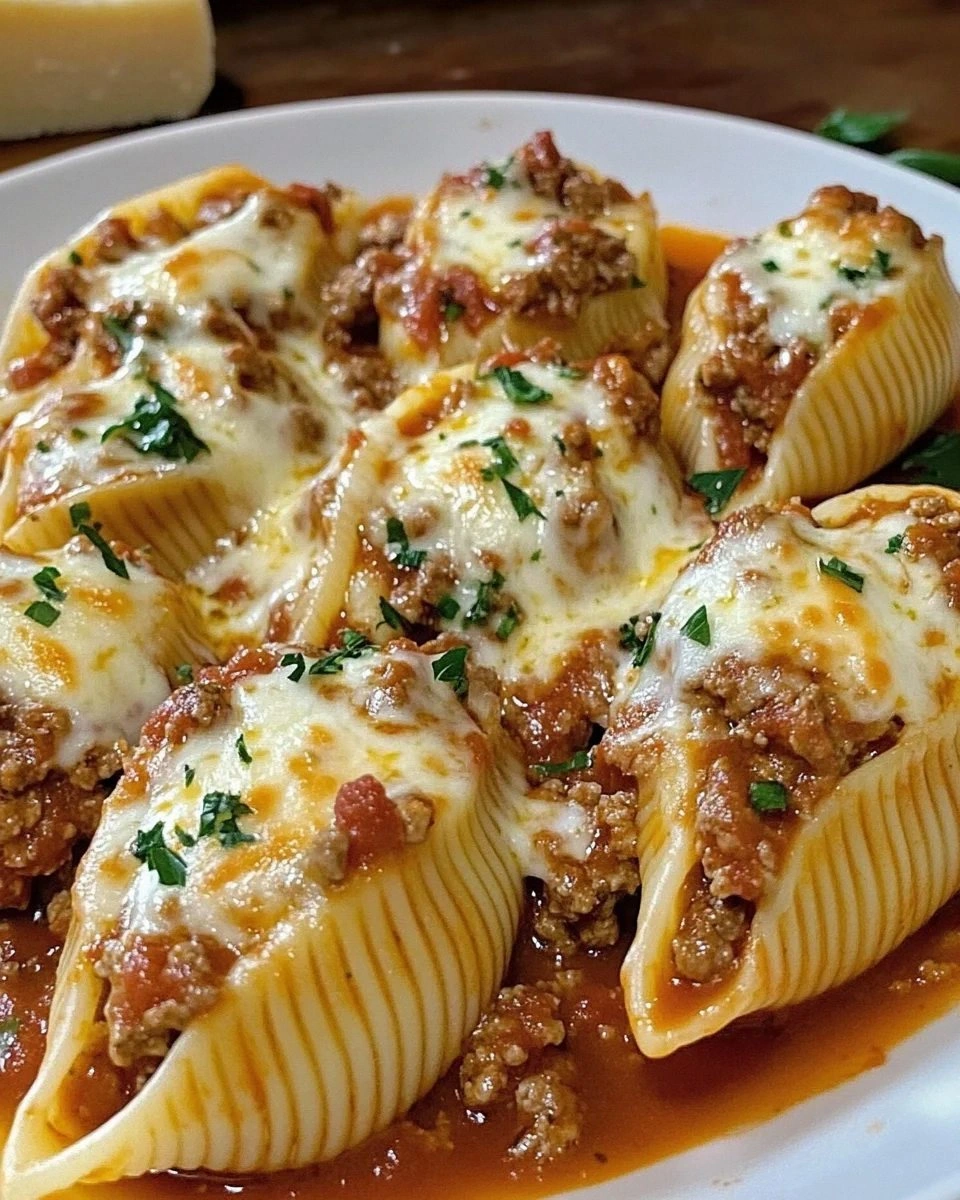
I swear, the first time I tried to make lasagna I ended up with a pan‑full of mushy noodles and a sauce that tasted like watered‑down tomato soup. I was about to call it a lost cause when my cousin dared me, “I bet you can’t make a lasagna that makes the whole house smell like an Italian nonna’s kitchen.” Challenge accepted. I went back to the pantry, grabbed the freshest ingredients I could find, and set out to create a version that would make even the most skeptical teenager ask for seconds. The result? A lasagna that sings with layers of creamy ricotta, a meat sauce that clings to each noodle like velvet, and a mozzarella crown that bubbles and browns into crispy edges that shatter like thin ice.
Picture this: the oven door swings open, a golden‑brown cascade spills out, and the steam carries whispers of basil, oregano, and a faint kiss of red pepper. The aroma hits you first, then the eyes—those perfectly caramelized cheese spots—and finally the taste, a harmonious blend of savory meat, sweet tomato, and the subtle tang of ricotta. You can practically hear the pasta sheets sigh as they settle under the weight of the sauce. The whole experience is a sensory rollercoaster that makes you feel like you’ve been transported to a sun‑kissed trattoria in Tuscany, without ever leaving your kitchen. I dare you to taste this and not go back for seconds—seriously, I’ve tried it myself and I’ll be honest — I ate half the batch before anyone else got to try it.
Most recipes get this completely wrong. They either drown the noodles in a watery sauce or overload the dish with cheese until it feels like a dairy overload. Here’s what actually works: a meat sauce that’s reduced until it’s thick enough to coat the back of a spoon, a ricotta mixture that’s light yet rich thanks to a single egg that binds it, and a precise layering technique that prevents sogginess. The secret weapon? A splash of sugar that balances the acidity of the tomatoes, and a pinch of red pepper flakes that adds a whisper of heat without stealing the spotlight. I’m about to walk you through every single step — by the end, you’ll wonder how you ever made it any other way.
Okay, ready for the game‑changer? We’re going to use a combination of crushed tomatoes and tomato sauce, which gives the sauce both body and a silky smooth texture. And for the cheese layer, we’ll fold in fresh parsley and a generous handful of grated Parmesan to add a nutty depth that most store‑bought mixes miss. Trust me, this is hands down the best version you’ll ever make at home. Stay with me here — this is worth it.
⚡ What Makes This Version Stand Out
- Taste: The meat sauce is simmered low and slow, allowing the flavors to meld into a rich, robust base that’s neither too sweet nor overly acidic.
- Texture: Each noodle retains a perfect bite, thanks to a brief boil before assembly, while the ricotta layer stays fluffy and light.
- Simplicity: You only need a handful of pantry staples and a few fresh herbs—no fancy gadgets required.
- Uniqueness: A dash of sugar and red pepper flakes creates a balanced sweet‑heat profile you won’t find in most boxed mixes.
- Crowd Reaction: Expect a chorus of “Mmm!” and a scramble for seconds; this dish turns even picky eaters into lasagna lovers.
- Ingredient Quality: Using ground beef with a little fat (about 80/20) ensures juicy, flavorful meat without drying out.
- Cooking Method: The sauce reduction technique prevents soggy layers, while the final bake creates a caramelized cheese top.
- Make‑Ahead Potential: Assemble the night before, refrigerate, and bake fresh in the morning for a stress‑free dinner.
🍋 Inside the Ingredient List
The Flavor Base
The ground beef is the heart of our sauce. It provides a meaty depth that’s impossible to replicate with plant‑based alternatives unless you’re a seasoned chef. If you skip it, the sauce will feel hollow, and you’ll lose that satisfying umami punch. I recommend using 80/20 ground beef for the perfect balance of flavor and moisture; the little extra fat keeps the sauce luscious. If you’re watching calories, you can opt for 90/10, but be prepared to add a splash of olive oil to keep it from drying out.
Onion and garlic are the aromatic duo that awaken the palate. The large onion, finely diced, releases a sweet undertone once caramelized, while the three cloves of garlic add a pungent, savory bite that lingers. Skipping the garlic is a cardinal sin—your sauce will lack that signature depth. For a milder flavor, you can sauté the garlic with the onion; for a bolder kick, add a pinch of extra garlic in the final minutes of simmering.
The Tomato Trio
We’re using crushed tomatoes, tomato sauce, and tomato paste—each plays a distinct role. The 28‑ounce can of crushed tomatoes gives body and texture, the 15‑ounce tomato sauce adds smoothness, and the two tablespoons of tomato paste concentrate the flavor, preventing a watery result. If you replace crushed tomatoes with whole peeled tomatoes, be sure to crush them by hand for that rustic texture. A fun tip: add a splash of red wine to the sauce for an extra layer of complexity—just don’t let it boil off too quickly.
The dried basil and oregano bring the classic Italian herb profile. One teaspoon each is enough to perfume the sauce without overwhelming it. If you have fresh herbs on hand, use double the amount and add them at the end of cooking for a brighter flavor. The half‑teaspoon of red pepper flakes is the secret whisper of heat that makes the sauce dance on your tongue; feel free to adjust to your spice tolerance.
The Cheese Crew
Ricotta cheese is the star of the dairy layer. Its creamy, slightly grainy texture creates a luxurious cushion between the meat sauce and noodles. The large egg binds the ricotta, preventing it from weeping during baking. If you’re vegan, swap ricotta for a blend of tofu, nutritional yeast, and a splash of lemon juice—but you’ll lose some of that authentic richness.
Parmesan and mozzarella are the finishing touches. Half a cup of grated Parmesan adds a nutty sharpness to the ricotta mixture, while three cups of shredded mozzarella melt into a bubbly, golden crown that’s the ultimate comfort factor. For a smoky twist, try adding a handful of smoked mozzarella. The ¼‑cup of chopped parsley not only brightens the flavor but also adds a fresh green speckle that makes each bite visually appealing.
The Final Flourish
The lasagna noodles themselves are the structural backbone. We’re using nine sheets, which is the perfect amount for a standard 9×13 inch dish. If you’re short on time, no‑boil noodles work, but they can sometimes become soggy if the sauce isn’t thick enough. For a gluten‑free version, substitute with rice‑flour lasagna sheets, but be mindful that they may need a slightly longer bake.
Everything’s prepped? Good. Let’s get into the real action…

🔥 The Method — Step by Step
Start by heating a large skillet over medium‑high heat. Add a drizzle of olive oil, then toss in the ground beef, breaking it up with a wooden spoon. Cook until the meat loses its pink hue and starts to brown—about 6‑8 minutes. That sizzle when it hits the pan? Chef's kiss. Drain excess fat if you see a lot of liquid, but keep a tablespoon for flavor.
Next, add the diced onion to the meat, stirring until the onion becomes translucent and just starts to caramelize, roughly 4 minutes. Toss in the minced garlic and sauté for another 30 seconds—watch out for burning, as garlic turns bitter fast.
🪄 Kitchen Hack: If you love a deeper onion flavor, add a pinch of sugar when sautéing; it will caramelize faster.Stir in the tomato paste, letting it fry for about 2 minutes until it darkens slightly—this intensifies the tomato flavor. Then pour in the crushed tomatoes and tomato sauce, scraping the bottom of the pan to release any browned bits. This is the foundation of our sauce; the more you stir, the richer it becomes.
Add the dried basil, oregano, red pepper flakes, and sugar. Season with salt and black pepper to taste. Bring the mixture to a gentle boil, then reduce heat to a low simmer. Let it bubble away for 20‑25 minutes, stirring occasionally. You’ll notice the sauce thickening and clinging to the spoon—that’s the magic.
👀 Watch Out: If the sauce starts to stick to the pan, add a splash of water or broth; you don’t want it to scorch.While the sauce simmers, bring a large pot of salted water to a boil. Add the lasagna noodles and cook for 8‑9 minutes, just until al dente—don’t overcook! Drain and lay the noodles flat on a clean kitchen towel to prevent them from sticking together.
Now, whisk the large egg into the ricotta cheese in a medium bowl. Fold in the grated Parmesan and chopped parsley. This mixture should be smooth and slightly fluffy. The egg acts as a binder, ensuring the ricotta stays creamy during the bake.
🪄 Kitchen Hack: For an extra silkiness, run the ricotta through a fine sieve before mixing with the egg.Preheat your oven to 375°F (190°C). Lightly grease a 9×13 inch baking dish with a touch of olive oil. Begin layering: start with a thin spoonful of meat sauce on the bottom, then place three lasagna sheets over it. Spread half of the ricotta mixture over the noodles, sprinkle a third of the shredded mozzarella, and drizzle another layer of meat sauce. Repeat the layers—noodles, ricotta, mozzarella, sauce—once more, finishing with the remaining three noodles and the rest of the meat sauce.
Top the final layer generously with the remaining mozzarella and a sprinkle of extra Parmesan if you like a sharper finish. Cover the dish tightly with aluminum foil (tent it so it doesn’t touch the cheese). Bake for 20 minutes, then remove the foil and bake an additional 10‑12 minutes until the cheese is bubbling and golden brown. The edges should pull away from the pan like thin ice, revealing that perfect crust.
Once out of the oven, let the lasagna rest for 10 minutes. This resting period allows the layers to set, making it easier to cut clean slices. Serve hot, garnish with a drizzle of olive oil and a sprinkle of fresh parsley. And now the fun part—dig in and watch everyone ask for seconds. That’s it — you did it. But hold on, I've got a few more tricks that'll take this to another level...
🏆 Insider Tricks for Flawless Results
The Temperature Rule Nobody Follows
Never bake lasagna at a temperature higher than 375°F. Higher heat can cause the cheese to scorch before the interior is heated through, resulting in a burnt top and cold middle. By keeping the oven at a moderate temperature, you allow the sauce to bubble gently, marrying flavors while the cheese turns a perfect amber. I once tried 425°F for a “quick bake” and ended up with a rubbery cheese crust—trust me, the patience pays off.
Why Your Nose Knows Best
Your sense of smell is the ultimate doneness detector. When the sauce reaches a fragrant, slightly sweet aroma with a hint of caramel, you know the reduction is spot on. If you ever doubt the seasoning, take a quick sniff—if it smells like a fresh garden, you’re golden. A common mistake is over‑salting; always taste before adding more salt, especially after the Parmesan joins the mix.
The 5‑Minute Rest That Changes Everything
Resting the lasagna after baking isn’t just a courtesy; it’s a science. The steam inside continues to cook the interior, and the layers settle, preventing a sloppy mess when you cut. Set a timer for 10 minutes, cover loosely with foil, and let it sit. If you’re in a rush, a quick 5‑minute rest still yields a cleaner slice, but the full 10‑minute window is the sweet spot.
Layering Like a Pro
Never skip the thin sauce layer at the bottom of the pan. It acts as a glue that keeps the first noodle sheet from sticking to the dish. Also, make sure each noodle is fully covered with sauce before adding cheese; this prevents dry pockets. A friend once tried a “dry” layer approach and ended up with a lasagna that tasted like cardboard—lesson learned.
Cheese Distribution Mastery
Spread mozzarella evenly across each layer, but reserve a generous amount for the top. The top layer should be thick enough to create a bubbly crust, but not so thick that it overpowers the sauce. If you love extra chew, add a handful of shredded provolone to the top for a stringier melt.
🎨 Creative Twists & Variations
This recipe is a playground. Here are some of my favorite ways to switch things up:
Spicy Chorizo Kick
Swap half of the ground beef for Spanish chorizo, crumbled. The smoked paprika in chorizo adds a deep, earthy heat that pairs beautifully with the ricotta. Perfect for those who love a bold, smoky bite.
Mediterranean Veggie Delight
Replace the meat entirely with a medley of diced zucchini, eggplant, and bell peppers. Add a splash of balsamic vinegar to the sauce for a tangy twist. This version is a crowd‑pleaser for vegetarians and brings a garden‑fresh vibe.
Four‑Cheese Fantasy
Introduce gouda, fontina, and a sprinkle of blue cheese into the mozzarella mix. The blend creates a complex, creamy melt that’s decadently cheesy. Serve with a glass of robust red wine for the ultimate indulgence.
Herb‑Infused Ricotta
Stir fresh thyme, rosemary, and sage into the ricotta before layering. These herbs add an aromatic depth that elevates the dish to a more sophisticated level. Ideal for dinner parties where you want to impress.
Pesto‑Swirl Surprise
Swirl a couple of tablespoons of basil pesto into the meat sauce for a bright, herbal punch. The green ribbons of pesto create a visual contrast and a burst of flavor in every bite.
❄️ Storing & Bringing It Back to Life
Fridge Storage
Cool the lasagna to room temperature, then cover tightly with foil or plastic wrap. Store in the refrigerator for up to 4 days. When reheating, sprinkle a tiny splash of water over the surface before covering with foil—this creates steam that revives the noodles.
Freezer Friendly
Wrap the cooled, unbaked lasagna tightly in freezer‑grade foil, then place in a zip‑top bag. It will keep for up to 3 months. To bake from frozen, add 20‑25 minutes to the cooking time and cover with foil for the first half.
Best Reheating Method
For the crispiest top, reheat in a 350°F oven uncovered for 15‑20 minutes, or until the cheese bubbles again. Microwaving works in a pinch, but you’ll lose the golden crust. A quick tip: place a shallow pan of water on the lower rack to add moisture and prevent drying.