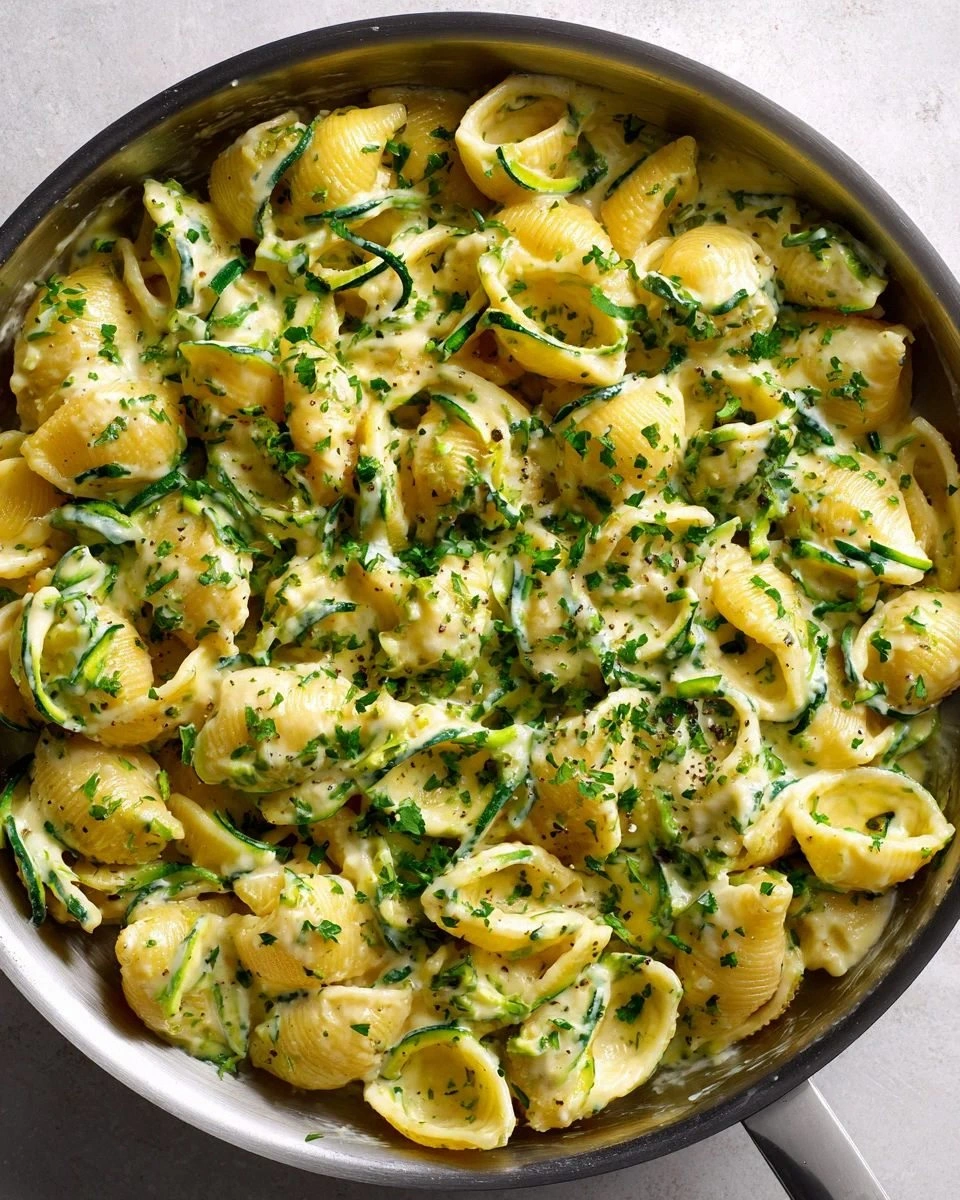
If you’ve ever struggled to keep vegetables from turning mushy, this recipe is your new best friend. The trick is to add them at the right moment so they keep their bite, yet still mingle with the broth to create a cohesive flavor. I’ve been cooking side by side with this pot, and the result is a dish that feels both hearty and fresh, like a bright summer day captured in a bowl. Picture yourself pulling this out of the oven, the whole kitchen smelling incredible, and everyone asking for the recipe. That’s the power of a one-pot meal that feels like a hug.
And now the game‑changer: the next step is where the real magic happens. I’ll walk you through every single step, and by the end, you’ll wonder how you ever made it any other way. Ready to dive into the culinary adventure that starts with a splash of broth and ends with a sprinkle of parmesan? Let’s get cooking.
What Makes This Version Stand Out
- Taste: The sauce coats the pasta like velvet, with a bright citrus lift that keeps it from feeling heavy.
- Texture: The vegetables stay crisp, thanks to a precise timing that preserves their natural crunch.
- Simplicity: One pot, one pan, and a handful of pantry staples make this dish a stress‑free triumph.
- Uniqueness: The use of vegetable broth as the cooking liquid adds depth and reduces the need for extra sauces.
- Crowd Reaction: Friends who are picky eaters love it because the flavors are familiar yet elevated.
- Ingredient Quality: Fresh, seasonal vegetables shine, while the parmesan adds a savory finish that ties everything together.
- Cooking Method: The one‑pot technique saves time, clean‑up, and still delivers a restaurant‑quality plate.
- Make‑Ahead Potential: The dish keeps well and even tastes better the next day, making it perfect for meal prep.
Alright, let’s break down exactly what goes into this masterpiece. I’ve sprinkled in a few hidden gems that will elevate the dish beyond the ordinary. The first is the timing of the vegetables; add them in stages to keep them from turning mushy. The second is the final splash of lemon—just enough to brighten the flavors without overpowering the parmesan. The third is the optional basil or olives; they add a layer of freshness that makes the dish feel alive. Together, these elements create a harmony that will keep you coming back for more.
Inside the Ingredient List
The Flavor Base
The dry pasta is the backbone of this dish, absorbing the savory broth and becoming the canvas for the other flavors. I’ve chosen a medium‑cut penne because its ridges trap the sauce beautifully, but feel free to experiment with fusilli or rigatoni. The vegetable broth is the secret to a silky sauce; it replaces the need for heavy cream and keeps the dish light. If you can’t find a good broth, a simple water‑to‑vegetable stock ratio works fine—just add a pinch of salt to boost the flavor.
The Texture Crew
Mixed vegetables add color, nutrition, and crunch. I like to use a blend of bell peppers, zucchini, cherry tomatoes, and spinach because each brings a unique bite. The garlic provides an aromatic base that permeates the entire pot, while the pepper adds a subtle heat that wakes up the palate. The parmesan, grated finely, melts into a glossy finish that ties everything together, giving the dish that comforting, cheesy note.
The Unexpected Star
A squeeze of lemon is the twist that elevates this dish from ordinary to extraordinary. The citrus not only brightens the sauce but also balances the richness of the cheese. Basil or olives are optional, but they add a layer of freshness and a touch of Mediterranean flair. If you’re looking for a non‑traditional twist, try adding a handful of arugula at the end for a peppery punch.
The Final Flourish
Salt and pepper are the simplest yet most powerful seasoning tools in any kitchen. They enhance the flavors without masking them, allowing the vegetables and cheese to shine. The final garnish of fresh basil or olives adds a pop of color and a burst of flavor that makes the dish feel complete. Remember, the key to a great dish is balancing the bold and the subtle—don’t be afraid to taste as you go.
Everything’s prepped? Good. Let’s get into the real action. The next steps will guide you through a culinary journey that culminates in a plate that feels like a warm hug on a cold night.
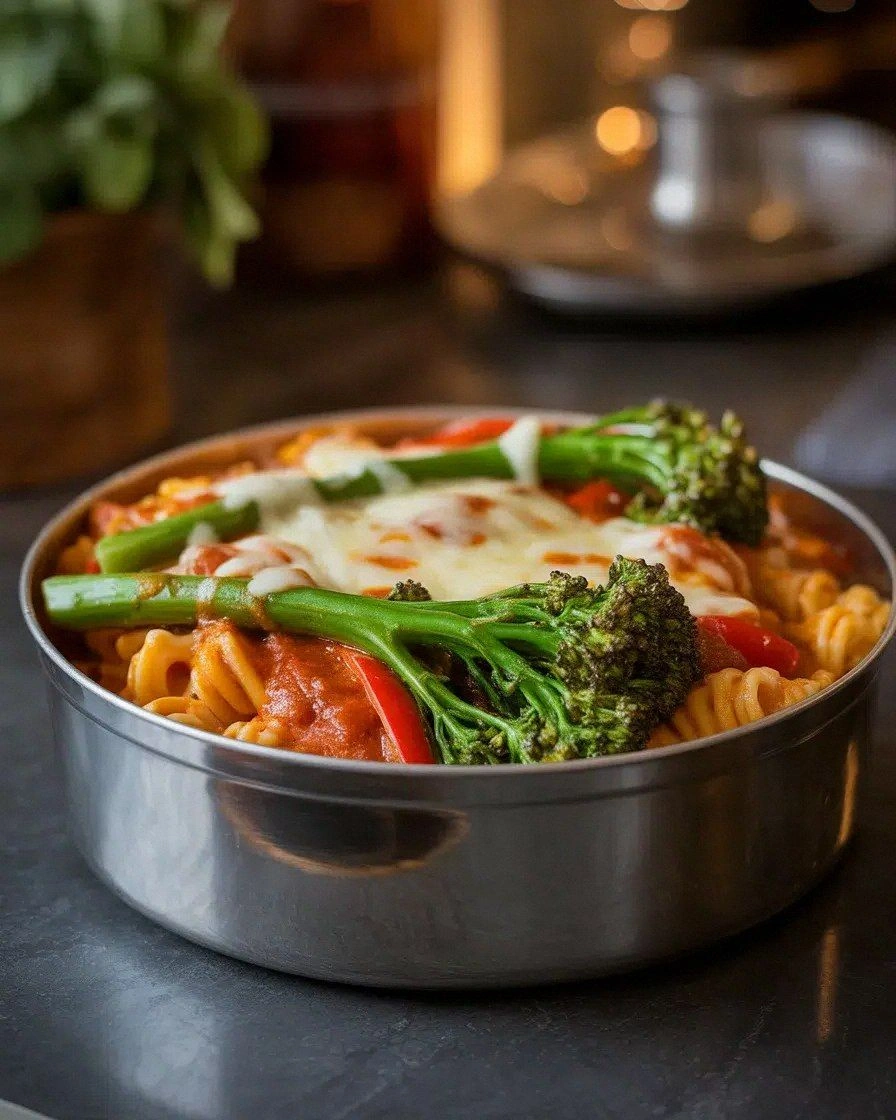
The Method — Step by Step
- Heat a large, wide pot over medium heat and add a splash of olive oil. Let the oil heat until it shimmers but doesn’t smoke, signaling that the pan is ready. Add the minced garlic, stirring constantly to avoid burning. The garlic should release a fragrant aroma within 30 seconds, but watch it closely—once it turns golden, it’s time to move on. This step sets the flavor foundation for the entire dish, so take your time and enjoy the sizzle.
- Pour in the dry pasta, swirling it to coat the noodles in the garlic‑oil mixture. Stir gently to prevent the pasta from sticking together. As the pasta begins to soften, add the mixed vegetables, spreading them evenly across the surface. The vegetables should start to wilt slightly but retain a firm bite. This is the moment where the dish starts to look like a colorful mosaic, and the anticipation builds.
- Pour the vegetable broth over the pasta and vegetables, ensuring the liquid covers everything by about an inch. Bring the mixture to a rolling boil, then reduce the heat to a gentle simmer. Cover the pot with a lid, leaving a small vent for steam to escape. Let it cook for 10 minutes, checking occasionally to stir and prevent sticking. The broth will reduce slightly, thickening into a silky sauce that clings to the noodles.
- After 10 minutes, give the pot a good stir, then add the grated parmesan, stirring until it melts and integrates into the sauce. The cheese will create a glossy finish, turning the dish into a creamy masterpiece. Taste the sauce; if it feels a bit flat, add a pinch of salt or a dash of pepper to brighten the flavors. At this point, the pasta should be almost al dente, with a slight bite that’s just right. The aroma of melted cheese will fill the kitchen, making your mouth water.
- Add the squeeze of lemon, stirring vigorously to incorporate the citrus zest into the sauce. The lemon will cut through the richness and add a bright, fresh note that lifts the entire dish. If you’re using basil or olives, add them now to infuse the flavors. The basil will wilt slightly, releasing its fragrant oils, while the olives add a briny contrast that balances the sweetness of the vegetables. This step is pure magic; the dish transforms into a vibrant, aromatic bowl of comfort.
- Reduce the heat to low and let the pasta finish cooking for an additional 5 minutes, stirring occasionally. The pasta should reach the perfect al dente texture, with the sauce thickened to a silky consistency. If the sauce feels too thick, add a splash of water or extra broth to reach your desired thickness. Taste again; the flavors should be balanced, with a hint of citrus, a creamy cheese finish, and a pop of fresh herbs. This final simmer is where the dish really settles into its final form.
- Once the pasta is cooked to your liking, remove the pot from the heat and let it rest for a minute. This short rest allows the flavors to meld together, ensuring every bite is full of depth. Serve immediately, garnishing with extra parmesan, a drizzle of olive oil, or fresh basil leaves if desired. The dish should look inviting, with a glossy sauce and a colorful array of vegetables. Your guests will be amazed at how simple ingredients can create such a complex flavor profile.
- Plate the pasta, spooning the sauce over each serving for a perfect coating. If you prefer a crispier edge, place the pot under a broiler for 1–2 minutes, watching carefully to avoid burning. This quick broil will caramelize the top layer, adding a delightful crunch that contrasts with the silky sauce. The final dish should be a harmonious blend of textures—soft pasta, tender vegetables, and a slightly caramelized finish. Enjoy the moment; this is the culmination of your culinary effort, and it’s worth savoring.
That’s it — you did it. But hold on, I’ve got a few more tricks that’ll take this to another level. The next section will reveal the secrets that even seasoned chefs swear by. Stay tuned for the insider tips that will transform your cooking routine.
Insider Tricks for Flawless Results
The Temperature Rule Nobody Follows
Many cooks think that a high simmer is the key to a good sauce, but it actually leads to uneven cooking. Keep the heat at a gentle simmer to allow the pasta to absorb the broth evenly. This technique prevents the bottom from sticking and ensures a consistent al dente texture. If you notice the liquid boiling too aggressively, reduce the heat immediately. This small adjustment can make the difference between a mediocre and a memorable dish.
Why Your Nose Knows Best
Your sense of smell is your best ally when cooking. A subtle hint of citrus or a faint aroma of parmesan tells you when the dish is ready. Trust your nose over the clock; the sauce will develop its own timing. When the broth reduces to a thick, glossy consistency, the pasta is at the peak of flavor. This instinctive approach will help you avoid over‑cooking and keep the dish fresh.
The 5‑Minute Rest That Changes Everything
Letting the pot rest after cooking allows the flavors to settle. The pasta absorbs any remaining liquid, resulting in a richer sauce. The rest also helps the cheese melt fully, creating a smoother finish. Don’t rush to plate; a brief pause of five minutes will elevate the dish. This simple step is often overlooked, but it’s the secret sauce for perfection.
Stirring Technique for Even Sauce
Stirring too quickly can break the pasta and cause the sauce to separate. Use a long, gentle spoon to swirl the mixture, allowing the noodles to coat evenly. This technique ensures the sauce adheres to each strand without clumping. If you notice any clumps, add a splash of broth to loosen the mixture. A steady, controlled stir is the hallmark of a well‑made one‑pot meal.
Cheese Selection Matters
While parmesan is the classic choice, you can experiment with different cheeses for varied flavors. Pecorino Romano offers a sharper bite, while a blend of mozzarella and parmesan gives a creamy texture. If you’re vegan, nutritional yeast or a plant‑based cheese can replicate the umami richness. The key is to choose a cheese that melts smoothly and adds depth without overpowering the vegetables. Try it and taste the difference.
That’s the secret sauce for a flawless result. If you’ve ever struggled with one‑pot pasta, you’re not alone—and I’ve got the fix. These insider tricks will help you master the technique and keep your kitchen stress‑free.
Creative Twists and Variations
This recipe is a playground. Here are some of my favorite ways to switch things up:
Spicy Sriracha Kick
Add a tablespoon of sriracha for a fiery punch that pairs beautifully with the lemon. The heat balances the richness of the cheese, creating a dynamic flavor profile. Serve with a handful of fresh cilantro for a fresh, herbal counterpoint. This variation is perfect for those who like their pasta with a kick.
Greek Mediterranean Blend
Swap the mixed vegetables for spinach, feta, and kalamata olives. The feta adds a tangy depth, while the olives provide a briny contrast. Finish with a drizzle of extra‑virgin olive oil and a sprinkle of oregano. This version feels like a Greek salad in a bowl, with a comforting pasta base.
Roasted Butternut Squash Version
Roast cubed butternut squash until caramelized before adding it to the pot. The natural sweetness of the squash complements the lemon and parmesan. Add a pinch of sage for an earthy note that ties everything together. This version is a cozy autumn favorite that’s both sweet and savory.
Protein‑Packed Chicken
Add diced, cooked chicken breast for a protein boost. The chicken pairs well with the bright citrus and creamy sauce. Toss in a handful of spinach for extra color and nutrients. This variation turns the dish into a hearty main course that satisfies.
Vegan Delight
Replace the parmesan with nutritional yeast or a vegan cheese alternative. Use a plant‑based broth for a fully vegan dish. Add a splash of coconut milk for extra creaminess. This version keeps the flavor profile intact while making it suitable for plant‑based diners.
Herb‑Infused Pesto Twist
Stir in a few spoonfuls of basil pesto before adding the broth. The pesto adds a burst of green flavor and a silky texture. Finish with a sprinkle of pine nuts for a crunchy finish. This twist turns the dish into a fragrant, herbaceous delight.
Each of these variations offers a fresh take on the classic one‑pot pasta, proving that the base recipe is versatile enough to satisfy any craving. Mix and match to keep your meals exciting and never feel stuck in a culinary rut.
Storing and Bringing It Back to Life
Fridge Storage
Store leftovers in an airtight container in the refrigerator for up to 3 days. The pasta will keep its texture, and the sauce will thicken slightly, adding richness. When reheating, add a splash of water or broth to loosen the sauce. Stir gently to combine, and the dish will taste almost as fresh as when you first made it. This makes it a convenient option for busy weekdays.
Freezer Friendly
For longer storage, freeze the dish in a freezer‑safe container for up to 2 months. Label the container with the date for easy tracking. To reheat, thaw overnight in the refrigerator and then warm on the stove over low heat, adding a splash of broth to restore moisture. The pasta remains tender, and the flavors develop even further during freezing. This method is ideal for meal prep enthusiasts.
Best Reheating Method
The best way to reheat is on low heat with a splash of broth or water to prevent the sauce from drying out. Stir frequently to keep the sauce from separating. If you’re short on time, microwave in a covered dish for 2 minutes, then stir and heat for an additional minute. The dish will come back to life, with the pasta still tender and the sauce silky. A quick tip: add a teaspoon of olive oil for extra richness.
Remember, the trick to a great reheat is to add moisture. A tiny splash of water before reheating steams the dish back to perfection, ensuring you never have to compromise on flavor or texture.
The next few paragraphs are just a few extra notes that will keep you in the loop and help you master this dish even further. I’ve packed these with practical advice, so you can feel confident every time you cook. Keep reading, and let’s keep the culinary adventure going.
When you’re ready to experiment, consider swapping the pasta shape. Spiral-shaped pasta will hold the sauce differently, creating a new mouthfeel. Try using a thicker noodle for a heartier bite, or a thin ribbon for a delicate finish. The choice of pasta shape can change the entire experience, so feel free to play around. Every shape offers a different way to enjoy the sauce, and you’ll discover new favorites along the way.
If you’re a fan of umami, add a splash of soy sauce or fish sauce during the cooking process. These savory liquids will deepen the flavor profile and add complexity. They pair well with the parmesan and lemon, creating a balanced taste. Use sparingly, as they’re potent; a teaspoon is enough to make a difference.
For a smoky twist, add a pinch of smoked paprika or a few drops of liquid smoke. The smoky undertone adds a new dimension that pairs nicely with the fresh vegetables. It’s a subtle addition that elevates the dish without overpowering the other flavors. Try it on a weekend when you’re looking for something different.
When cooking for guests, consider setting up a cheese station. Offer grated parmesan, a selection of fresh herbs, and a drizzle of olive oil. This allows everyone to customize their dish to taste. It’s a fun interactive element that turns dinner into a shared experience. Your guests will appreciate the personal touch.
Lastly, keep a small bowl of warm broth handy during cooking. If the sauce thickens too quickly, a splash of broth will restore its silky consistency. This simple trick keeps the dish from drying out and maintains the perfect sauce texture. A little extra broth goes a long way, so have it ready.
These extra notes are meant to be your cheat sheet for making the dish even more versatile and delicious. Every tweak you try adds a new layer of flavor, making the dish truly yours. Keep experimenting, and enjoy the journey.
Now that you’re armed with all the knowledge, it’s time to bring it all together. The recipe card below contains every detail you need to recreate this masterpiece. Feel free to adjust the servings or tweak the ingredients to suit your taste. Happy cooking!