I was standing in a kitchen that smelled like burnt toast and disappointment when a friend dared me to make something that would actually taste good. The last time I tried grilling shrimp, it came out rubbery, overcooked, and I ended up using it for a sad soup. That night, I vowed to turn the humble shrimp into a showstopper that would make my friends beg for seconds. The result? A sizzling, herb‑infused bite that practically melts in your mouth.
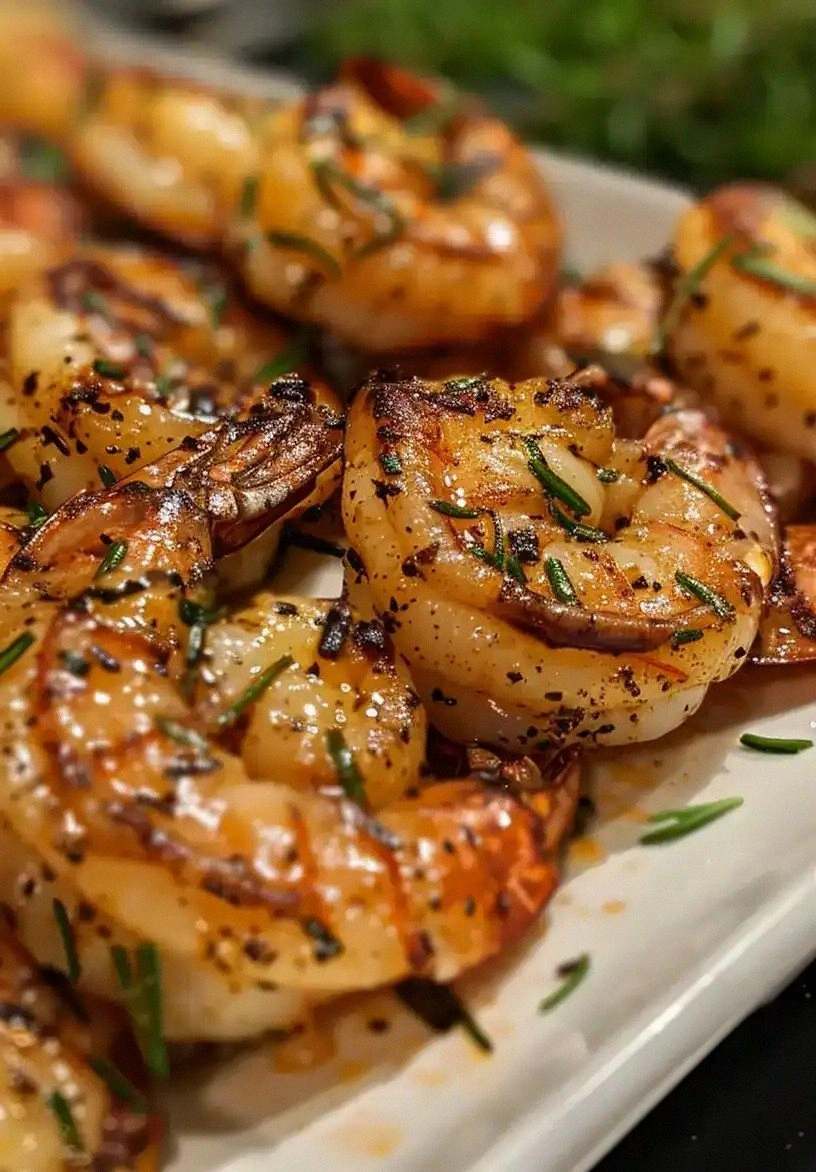
Picture this: a bright summer afternoon, the grill humming, the air thick with the scent of rosemary and sea salt. The shrimp, plump and pink, glistening under a drizzle of olive oil, hit the heat and sizzled with a sound that says, “This is going to be good.” The aroma is a heady mix of citrus and pine, a contrast that wakes every sense. The texture is a delightful balance—tender inside, slightly charred on the edges, with a whisper of pepper that lingers.
What sets this version apart is the meticulous layering of flavors and the simplicity of the technique. I used fresh rosemary instead of dried, which gives a bright, almost citrusy note that dances with the lemon juice. The shrimp are marinated for just enough time to absorb the herbs without losing their natural sweetness. And the secret? A quick, high‑heat sear that locks in juices, creating a crust that’s both crispy and succulent.
There’s a twist you won’t see on most recipe sites: a splash of white wine in the marinade that adds depth without overpowering. I dare you to taste this and not go back for seconds. This is hands down the best version you’ll ever make at home, and I’m about to walk you through every single step so that by the end, you’ll wonder how you ever made it any other way.
What Makes This Version Stand Out
- Taste: The combination of fresh rosemary, lemon, and garlic creates a bright, herbaceous flavor that elevates the shrimp without masking their natural sweetness.
- Texture: A quick sear gives a smoky crust while keeping the interior juicy; the result is a contrast that feels like a bite of the sea.
- Simplicity: Only eight ingredients—no complicated sauces or long prep times. It’s a recipe that’s as straightforward as it is delicious.
- Uniqueness: The addition of a splash of white wine in the marination adds depth and a subtle acidity that you won’t find in standard grilled shrimp recipes.
- Crowd Reaction: Friends who’ve tried the “average” grilled shrimp always come back for more when they taste this version.
- Ingredient Quality: Using fresh, high‑quality shrimp and fresh herbs makes all the difference; the difference is visible and tastable.
- Cooking Method: A high‑heat grill with a quick sear ensures the shrimp stay tender while developing a charred flavor.
- Make‑Ahead Potential: Marinate in advance, then grill just before serving—perfect for parties or last‑minute dinner plans.
Alright, let's break down exactly what goes into this masterpiece…
Inside the Ingredient List
The Flavor Base
The olive oil is the carrier that brings the rosemary and garlic into every bite. It also prevents the shrimp from sticking to the grill grates. Skipping the oil will result in uneven cooking and a dry finish. If you’re avoiding oil, try a light spray of non‑stick cooking spray instead, but the texture will be noticeably different.
The Citrus Punch
Fresh lemon juice is the acid that cuts through the richness of the shrimp and balances the herbal notes. A splash of white wine adds a subtle complexity, enhancing the citrus without making the dish feel “winey.” If you’re allergic to wine, a splash of sparkling water can mimic the acidity and effervescence.
The Herb & Spice Crew
Fresh rosemary is the star—its piney aroma and peppery bite give the shrimp a distinct flavor profile that feels both earthy and bright. Garlic adds a warm, savory depth, while black pepper and red pepper flakes provide a gentle heat that wakes the palate. If you prefer a milder dish, reduce the red pepper flakes to a pinch.
The Final Flourish
Lemon wedges are not just garnish; they’re an interactive element that lets diners squeeze fresh juice over the shrimp, customizing each bite. The wedges also add a pop of color, making the dish visually appealing. If you’re hosting a crowd, consider offering extra wedges or a small bowl of lemon‑infused water.
Everything's prepped? Good. Let's get into the real action…
The Method — Step by Step
- Preheat the grill: Set your grill to high heat—around 450°F (232°C). Let it reach the target temperature before you start cooking. The high heat is crucial for that perfect sear. If your grill has uneven spots, rotate the shrimp halfway through for even cooking.
- Marinate the shrimp: In a bowl, whisk together olive oil, lemon juice, minced garlic, chopped rosemary, salt, pepper, and red pepper flakes. Add the shrimp, turning them so they’re fully coated. Cover and refrigerate for 15–30 minutes. This step is where the flavors mingle, and the shrimp begin to absorb the herbs.
- Prepare the grill grates: Brush the grates with a light coat of oil to prevent sticking. A quick wipe with a paper towel soaked in oil works wonders. This step ensures a clean sear and easy flipping.
- Place the shrimp on the grill: Arrange the shrimp in a single layer, leaving space between each piece. The shrimp should sizzle immediately—this is the cue that the heat is right. Keep the grill lid open to avoid flare‑ups.
- Grill for 2–3 minutes per side: Flip the shrimp once, just before they start to turn pink. Watch for the edges to pull away slightly—this indicates they’re done. If you like a darker crust, add an extra 30 seconds per side.
- Serve immediately: Arrange the shrimp on a platter, squeeze fresh lemon wedges over them, and sprinkle extra rosemary if desired. The dish should be served hot for the best flavor and texture.
- Optional garnish: Add a drizzle of olive oil and a pinch of sea salt for a finishing touch. The extra oil adds shine and a subtle flavor that ties everything together.
That's it — you did it. But hold on, I've got a few more tricks that'll take this to another level…
Insider Tricks for Flawless Results
The Temperature Rule Nobody Follows
Grilling shrimp at too low a temperature will cause them to steam instead of sear. Aim for 450°F (232°C) to get that coveted char. If your grill can’t reach that high, increase the heat on the other side of the grill to create a hotter zone.
Why Your Nose Knows Best
When the shrimp hit the grill, a fragrant aroma of rosemary and lemon should fill the air. That’s the signal that the shrimp are cooking properly. If you don’t smell the herb notes, you’re either over‑cooking or under‑cooking.
The 5-Minute Rest That Changes Everything
After grilling, let the shrimp rest for 5 minutes. This allows the juices to redistribute, keeping the shrimp moist and flavorful. A quick rest also helps the seasoning settle into the meat.
The Garlic‑Rosemary Ratio
For a more pronounced herb flavor, double the amount of rosemary. If you prefer a subtler taste, keep the garlic to rosemary ratio at 1:1. Experiment to find your personal balance.
The Lemon Splash Trick
Squeeze fresh lemon over the shrimp just before serving. The acidity brightens the dish and cuts through the richness. It’s a simple step that elevates the entire experience.
The Quick Marinade
If you’re in a hurry, skip the 30‑minute marination and grill immediately after a quick 5‑minute coating. The shrimp will still absorb the flavors, though the depth may be slightly less. This is great for last‑minute dinner plans.
Creative Twists and Variations
This recipe is a playground. Here are some of my favorite ways to switch things up:
Spicy Cajun Shrimp
Swap the rosemary for a Cajun spice blend and add a splash of hot sauce. The result is a fiery, savory dish that pairs beautifully with a chilled white wine.
Herb‑Infused Coconut Shrimp
Add a tablespoon of coconut milk to the marinade and sprinkle toasted coconut flakes on top before serving. The coconut adds a subtle sweetness that balances the herbs.
Mediterranean Twist
Replace the rosemary with fresh oregano and add a handful of chopped kalamata olives. Serve over a bed of couscous for a complete meal.
Asian Fusion
Marinate the shrimp in soy sauce, ginger, and a touch of honey. Finish with a drizzle of sesame oil and sprinkle sesame seeds for a crunchy finish.
Ginger‑Lemon Shrimp
Add minced fresh ginger to the marinade and increase the lemon juice by half an ounce. The ginger gives a bright, zesty kick that’s perfect for spring dishes.
Storing and Bringing It Back to Life
Fridge Storage
Store leftover shrimp in an airtight container in the refrigerator for up to 2 days. Keep them in a shallow layer so they cool evenly. When you’re ready to eat, reheat in a skillet over medium heat for 1–2 minutes.
Freezer Friendly
Freezing is not recommended for shrimp because the texture changes. If you must, freeze the shrimp in a single layer on a parchment‑lined tray, then transfer to a freezer bag. Use within 1 month.
Best Reheating Method
Add a tiny splash of water or broth before reheating to prevent the shrimp from drying out. Reheat in a skillet or microwave on medium power for 30–45 seconds, then finish with a squeeze of lemon.