Introduction
Picture this: a Saturday night, the kitchen lights flicker, and you’re staring at a bag of lamb shoulder, a can of chickpeas, and a jar of coconut milk that has been sitting in the back of your fridge since last month. You’ve been craving a dish that feels like a hug in a bowl, but you’re also tired of the endless search for the perfect curry recipe that doesn’t end up too heavy or too bland. That’s when I discovered a one‑pot marvel that turned my kitchen into a fragrant, sizzling sanctuary. This isn’t just another lamb curry; it’s a symphony of textures and flavors that dance together like a well‑orchestrated jazz solo.
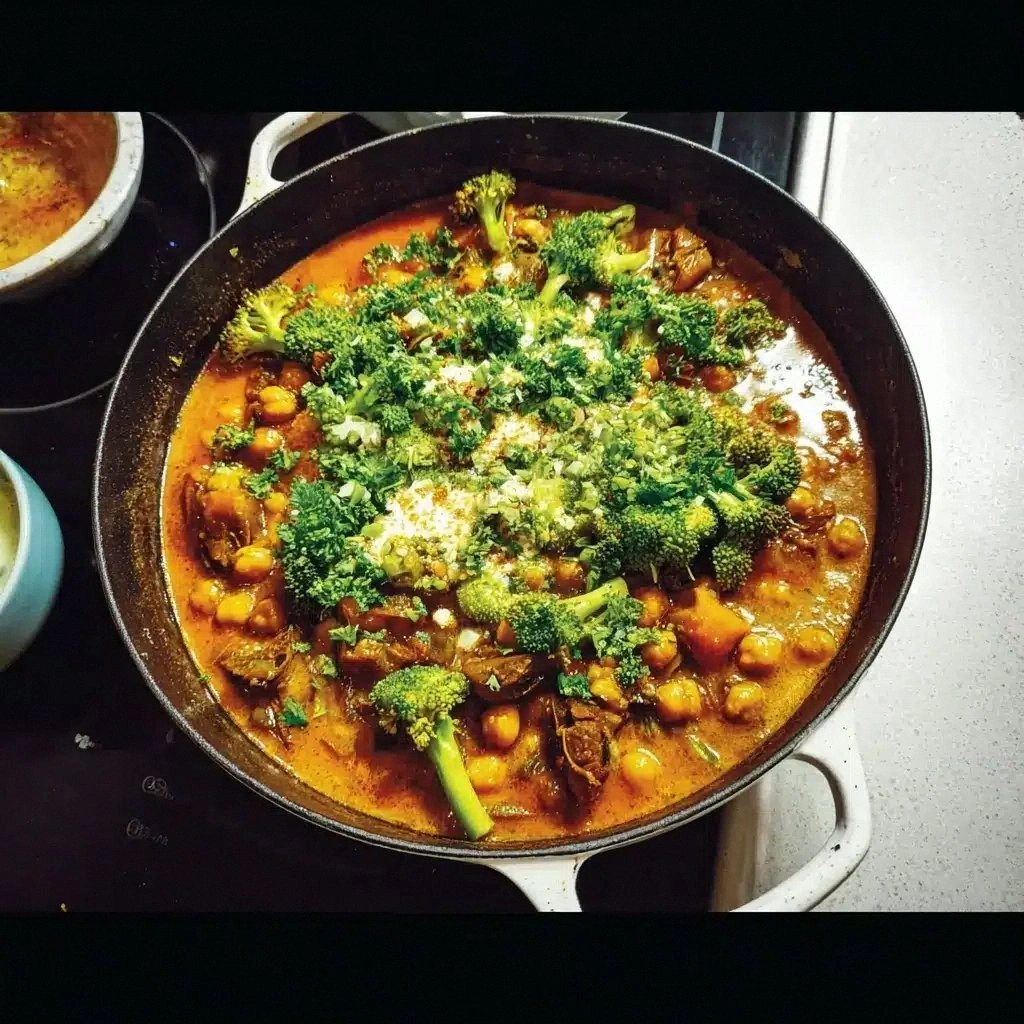
From the first crackle of oil hitting the pan, you can hear the promise of a meal that will leave your taste buds humming. The aroma of toasted cumin, coriander, and a whisper of turmeric fills the air, mingling with the earthy scent of lamb that’s been marinated in coconut milk and a splash of lime. The visual is a tapestry of deep reds from the tomatoes, golden flecks of coconut milk, and the green pop of cilantro and mint that peek out like confetti. When the first spoonful hits your tongue, the sauce coats the meat and chickpeas like velvet, while the subtle heat from cayenne gives it a gentle, lingering warmth. The texture is a delightful contrast: tender lamb chunks, creamy chickpeas, and a silky sauce that glazes everything with a glossy finish.
This version stands out because it’s a single‑pot wonder that eliminates the need for multiple pans, cutting cleanup time in half while still delivering a complex flavor profile that would make a five‑star chef proud. I dare you to taste this and not go back for seconds; the richness of the lamb, the nutty undertone of coconut, and the bright zing of lime create a flavor profile that lingers on the palate. Most recipes get this completely wrong by overcooking the lamb or under‑seasoning the sauce, but here, every element is balanced to perfection. I’ll be honest — I ate half the batch before anyone else got to try it, and it was a moment of culinary revelation that I’m still talking about to this day.
If you’ve ever struggled with making a lamb curry that isn’t dry or too greasy, you’re not alone — and I’ve got the fix. Picture yourself pulling this out of the pot, the whole kitchen smelling incredible, and hearing the delighted sighs of your guests as they dig in. Let me walk you through every single step — by the end, you’ll wonder how you ever made it any other way.
What Makes This Version Stand Out
- Flavor Depth: The combination of coconut milk, tomato paste, and a blend of spices creates a sauce that is both creamy and aromatic, with a subtle heat that lingers without overwhelming.
- Texture Harmony: Tender lamb pieces, hearty chickpeas, and a silky sauce that coats each bite, offering a satisfying mouthfeel that feels luxurious yet approachable.
- One‑Pot Simplicity: All ingredients cook together in a single pot, saving time and reducing cleanup, making it ideal for busy weeknights.
- Freshness Boost: The final squeeze of lime and a handful of cilantro and mint add brightness, cutting through the richness and leaving a clean finish.
- Make‑Ahead Friendly: The dish can be prepared ahead of time and reheated without losing its integrity, perfect for meal prep or entertaining.
- Ingredient Quality: Using lamb shoulder with a bit of fat ensures a succulent bite, while canned chickpeas provide a convenient, consistent texture.
- Crowd‑Pleaser: This curry is a hit with both lamb lovers and plant‑based diners thanks to the protein‑rich chickpeas.
- Budget‑Friendly: The ingredients are affordable and pantry‑friendly, making gourmet flavor accessible without breaking the bank.
Alright, let’s break down exactly what goes into this masterpiece…
Inside the Ingredient List
The Flavor Base
At the heart of this dish is the aromatic foundation that sets the stage for everything that follows. The combination of fresh garlic, grated ginger, and a generous splash of coconut oil creates a fragrant bed that instantly elevates the lamb. When you sauté these aromatics until they turn golden, you’re essentially building a flavor reservoir that will seep into every ingredient. Skipping the oil or using a low‑quality oil will leave the dish feeling flat and under‑seasoned. A good tip: let the garlic and ginger toast just until fragrant, but be careful not to burn them; burnt garlic can ruin the entire flavor profile.
Next, the diced onion is added to the sizzling pan, releasing its natural sweetness and creating a mellow backdrop. The onions should soften without browning too quickly; if they start to brown, reduce the heat slightly. This slow caramelization brings out the natural sugars in the onion, adding depth to the curry. If you prefer a sharper bite, you can sauté the onions longer, but be cautious not to let them char.
Once the aromatics are ready, it’s time to introduce the spices. Ground cumin, coriander, turmeric, paprika, and a pinch of cayenne form the backbone of the curry’s flavor. These spices should be toasted in the oil for a minute or two to release their essential oils, giving the sauce a warm, nutty aroma. If you’re using whole spices, remember to grind them fresh for maximum potency. The spices are the soul of the dish; they must be balanced carefully to avoid overpowering the lamb and chickpeas.
The Texture Crew
Now we bring in the star players: lamb shoulder and chickpeas. The lamb shoulder is cut into bite‑sized cubes, ensuring each piece cooks evenly and stays moist. If you’re using a lean cut, consider adding a small amount of lamb fat or a splash of broth to keep the meat tender. The chickpeas, whether canned or pre‑cooked, add body and a subtle nutty flavor. If you prefer a firmer texture, rinse the chickpeas under cold water to remove excess sodium and improve their bite.
Adding the chickpeas at the right time is crucial. If you add them too early, they’ll absorb too much liquid and become mushy. Add them after the lamb has browned and the spices have released their aroma. This ensures the chickpeas remain plump and their flavor is not overwhelmed by the richness of the lamb.
For the liquid component, coconut milk is the star. It provides a creamy, slightly sweet base that balances the heat from the spices. Use full‑fat coconut milk for a richer sauce, but if you’re watching calories, a lighter version will still work. The coconut milk should be added gradually, stirring to combine with the spices and aromatics, allowing the sauce to thicken into a velvety consistency.
The Unexpected Star
Fresh lime juice is the unsung hero that brightens the entire dish. A squeeze of lime before serving cuts through the richness and adds a zesty note that awakens the palate. The lime also helps tenderize the lamb slightly, giving it a more delicate texture. If you’re making this dish ahead of time, add the lime juice just before serving to preserve its vibrant flavor.
Fresh herbs like cilantro and mint are the finishing touches that add a burst of color and freshness. Cilantro brings a bright, almost citrusy flavor, while mint adds a cool, soothing undertone that balances the heat from the cayenne. Chop the herbs finely and sprinkle them over the finished dish for a visual pop and a fragrant finish. If you’re not a fan of cilantro’s “soapy” taste, feel free to omit it or replace it with parsley.
The Final Flourish
To finish, a touch of sugar or a splash of fish sauce can elevate the flavor profile by adding a subtle sweetness or umami depth. Sugar balances the acidity of the tomatoes, while fish sauce introduces a savory complexity that mimics the depth of a slow‑cooked stock. Use these additions sparingly; a little goes a long way. If you’re avoiding fish sauce, you can substitute with soy sauce or a dash of Worcestershire sauce.
Everything’s prepped? Good. Let’s get into the real action…
The Method — Step by Step
- Heat a heavy‑bottom pot or Dutch oven over medium‑high heat and add 2 tbsp of coconut oil. Let the oil heat until it shimmers, but avoid smoking. Add the diced onions and sauté for 3–4 minutes until they start to soften but not brown. This is the moment of truth; the onions should become translucent and fragrant. Once they’re ready, add 4 cloves of minced garlic and 1 tbsp of grated ginger, stirring constantly to prevent burning. The aroma that fills the kitchen will have you craving the final dish even before you’ve added the lamb.
- Season the lamb cubes with 1 tsp salt, ½ tsp black pepper, and 2 tsp each of ground cumin, coriander, and paprika. Toss the lamb until it’s evenly coated. Pour the lamb into the pot and let it sear for 5–6 minutes, turning occasionally, until a deep brown crust forms on all sides. The seared lamb will lock in juices and create a savory base for the curry. Don’t rush this step; the caramelization is key to depth of flavor.
- Add 1 tsp turmeric and ½ tsp cayenne pepper to the pot, stirring immediately to coat the lamb. Let the spices toast for 30 seconds, then add 2 tbsp tomato paste. Cook the paste for an additional minute, allowing it to caramelize slightly and deepen its flavor. This step is crucial for building a complex sauce that feels rich without being overpowering.
- Pour in 1 can of diced tomatoes (with their juice) and 1 cup of coconut milk. Stir to combine, scraping up any browned bits from the bottom of the pot. Bring the mixture to a gentle simmer, then reduce the heat to low. Cover the pot and let the lamb and tomatoes cook for 15 minutes, allowing the flavors to meld and the lamb to become tender. Keep an eye on the liquid; if it reduces too quickly, add a splash of water or broth.
- Add 1 can of chickpeas, drained and rinsed, to the pot. Stir gently to combine, making sure the chickpeas are evenly coated with the sauce. Cover again and let the curry simmer for another 10 minutes, allowing the chickpeas to absorb the flavors. This is the point where the dish starts to feel cohesive; the chickpeas will take on a slight sheen from the coconut milk.
- Stir in 1 tsp garam masala, 1 tsp sugar (optional), and 1 tbsp fish sauce (optional). These ingredients will round out the dish, adding sweetness and umami. Taste the sauce; adjust seasoning with salt or more pepper if needed. The sauce should be thick but pourable, with a glossy finish that clings to the lamb and chickpeas.
- Remove the pot from heat and squeeze the juice of 1 lime over the curry. Toss in ¼ cup chopped cilantro and 1 tbsp chopped mint. The lime will brighten the dish, while the herbs add a fresh, herbal note that balances the richness. Let the curry rest for 5 minutes before serving; this allows the flavors to marry and the sauce to settle.
- Serve hot over steamed basmati rice or warm naan bread. Garnish with extra cilantro, a squeeze of lime, or a drizzle of coconut cream if desired. The result is a dish that feels luxurious yet approachable, with a balance of savory, sweet, and zesty notes. Enjoy the symphony of flavors that unfold with each bite.
That's it — you did it. But hold on, I've got a few more tricks that'll take this to another level...
Insider Tricks for Flawless Results
The Temperature Rule Nobody Follows
Many cooks think a high heat is the secret to a great curry, but the truth is that a low, steady simmer preserves the lamb’s tenderness. Keep the heat at low after adding the coconut milk; this allows the spices to release slowly and the lamb to become melt‑in‑your‑mouth tender. If you’re using a gas stove, set the flame to the lowest setting and let the pot come to a gentle simmer. A quick test: if the liquid is bubbling gently, you’re at the right temperature.
Why Your Nose Knows Best
When the curry starts to thicken, you’ll notice a distinct aroma that signals it’s ready. The scent should be warm, nutty, and slightly sweet from the coconut milk. Trust your nose; if it smells toasty and inviting, the sauce is at its peak. This sensory checkpoint saves you from overcooking or undercooking the dish.
The 5-Minute Rest That Changes Everything
After removing the pot from heat, let the curry rest for 5 minutes. During this time, the flavors will meld, and the sauce will thicken slightly. This brief pause also allows the lamb to reabsorb any juices lost during cooking, keeping it moist. Skip this step and you’ll miss the subtle depth that comes from the resting period.
Using Fresh Lamb Over Frozen
Fresh lamb shoulder retains more moisture and develops a better crust when seared. If you’re using frozen lamb, thaw it fully and pat it dry before searing to avoid excess steam. Frozen lamb can result in a soggy texture that detracts from the overall experience.
Adding a Splash of Broth
If the sauce reduces too quickly, add a splash of low‑sodium chicken or vegetable broth to maintain the desired consistency. This also adds an extra layer of savory flavor that complements the coconut milk. Keep the broth on hand; it’s a quick fix that can rescue a dish that’s on the brink of becoming too thick.
Garnishing with Toasted Coconut Flakes
For a final touch, lightly toast shredded coconut in a dry skillet until golden. Sprinkle the toasted flakes over the curry just before serving. The crunchy texture and nutty flavor add a delightful contrast to the creamy sauce.
Creative Twists and Variations
This recipe is a playground. Here are some of my favorite ways to switch things up:
Spicy Sriracha Kick
Swap the cayenne for a tablespoon of sriracha to give the curry an extra punch. The heat from the sriracha will mingle with the coconut milk, creating a fiery, creamy sauce that’s perfect for spice lovers.
Vegetarian Chickpea Delight
Omit the lamb entirely and increase the chickpeas to 2 cans. Add a handful of diced carrots and peas for extra color and texture. This version is hearty, protein‑rich, and still delivers that comforting coconut‑spice flavor.
Moroccan Tagine Twist
Replace the cumin and coriander with ras el hanout and add a handful of dried apricots. The sweet, aromatic spices will give the dish a North African flair, while the apricots add a subtle sweetness that balances the heat.
Low‑Calorie Coconut Yogurt Finish
Finish the curry with a dollop of low‑fat coconut yogurt instead of coconut milk. The yogurt adds creaminess with fewer calories, making this version lighter while still rich.
Grilled Lamb Variation
Grill the lamb cubes before adding them to the pot for a smoky flavor. This adds depth and a charred note that pairs beautifully with the coconut milk and spices.
Herb‑Infused Coconut Milk
Infuse the coconut milk with fresh basil and thyme before adding it to the pot. The herbs will seep into the sauce, giving it an aromatic, fragrant finish that’s reminiscent of a garden garden.
Storing and Bringing It Back to Life
Fridge Storage
Cool the curry to room temperature before transferring it to an airtight container. Store in the refrigerator for up to 4 days. The flavors will deepen over time, making it even more delicious the next day.
Freezer Friendly
For longer storage, freeze the curry in freezer‑safe containers for up to 3 months. Thaw overnight in the refrigerator before reheating. This is ideal for meal prep or for busy weeks when you need a quick, satisfying dinner.
Best Reheating Method
Reheat the curry on the stovetop over low heat, adding a splash of water or broth to loosen the sauce. Stir gently until heated through; the coconut milk will re‑emulsify, restoring that silky texture. A quick microwave reheat is also fine, but be sure to stir halfway through to avoid hot spots.