I was standing over a pot that looked like a battlefield—burnt onions, soggy carrots, and a broth that tasted like it had been filtered through a gym sock. I swear I heard the kitchen timer mock me, “You’ll never get that perfect soup, you fool.” Then a friend dared me, “If you can make a soup that makes a grown man weep, I’ll bring you a whole slab of ribeye.” That was the spark, the moment I decided to turn my kitchen mishaps into a triumph, and let me tell you, the result is nothing short of a culinary mic drop. This Crockpot Beef and Barley Soup is the lovechild of old‑world comfort and modern convenience, and it will have you shouting, “I dare you to taste this and not go back for seconds!”
Picture this: the crockpot humming like a low‑frequency drumbeat while the aroma of simmering beef, thyme, and rosemary fills the air, curling around your nose like a warm blanket. The carrots soften to a buttery sweetness, the barley swells into little pearls that burst with nutty goodness, and the beef cubes become melt‑in‑your‑mouth clouds of flavor. You hear the occasional pop of a bubble, see the steam rise in graceful ribbons, and feel the comforting weight of the pot’s lid as you lift it for the first taste. It’s not just a soup; it’s an experience that wraps you in a hug you didn’t know you needed.
Most recipes get this completely wrong. They either over‑cook the barley into mush or under‑season the beef, leaving you with a bland broth that could double as bathwater. I’ve tried a dozen “easy” versions that left me yearning for that deep, layered flavor you only get after hours of slow cooking. The secret? A handful of technique tweaks, a dash of confidence, and a splash of olive oil that caramelizes the meat before it ever sees the crockpot. And yes, there’s a surprise ingredient that will make your taste buds do a little happy dance—stay tuned.
Okay, ready for the game‑changer? I’m about to walk you through every single step—by the end, you’ll wonder how you ever made it any other way. Grab your crockpot, a big spoon, and an appetite for greatness. Let’s dive in and create a bowl of soup that will make your kitchen the talk of the town.
What Makes This Version Stand Out
- Depth of Flavor: The combination of beef broth, dried herbs, and a quick sear creates a broth that tastes like it’s been simmering for days, not minutes.
- Texture Harmony: Pearl barley adds a chewy bite that contrasts beautifully with the tender beef cubes and soft veggies.
- Simplicity: Only one pot, minimal prep, and the crockpot does the heavy lifting while you binge‑watch your favorite series.
- Unique Twist: A splash of olive oil at the start caramelizes the meat, giving the soup a rich, almost smoky undertone.
- Crowd Reaction: This soup has a reputation for emptying bowls faster than a Black Friday sale—people keep asking for seconds.
- Ingredient Quality: Using chuck roast ensures you get that perfect balance of meatiness and connective‑tissue gelatin for a silky mouthfeel.
- Cooking Method: The low‑and‑slow crockpot technique guarantees even flavor distribution without the risk of scorching.
- Make‑Ahead Potential: It actually tastes better the next day, making it a perfect make‑ahead meal for busy weekdays.
Alright, let's break down exactly what goes into this masterpiece...
Inside the Ingredient List
The Flavor Base
The backbone of any great soup is its aromatic foundation. Onion, garlic, carrots, and celery form a mirepoix that releases sugars as they soften, creating a natural sweetness that balances the savory beef. If you skip the garlic, you’ll lose that pungent, almost buttery note that makes the broth sing. Swap the onion for a shallot for a milder, more delicate flavor, but don’t expect the same depth. When choosing carrots, go for the bright orange ones—they hold more natural sugars than their paler cousins.
The Texture Crew
Pearl barley is the unsung hero here. Its firm, nutty bite holds up beautifully in long cooking, unlike quick‑cooking barley that turns mushy. If you can’t find pearl barley, try hulled barley; it’s a bit chewier but still works. The beef chuck roast, cut into 1‑inch cubes, brings collagen to the pot, which transforms into gelatin, giving the soup that silky mouthfeel. For a leaner version, substitute sirloin, but you’ll miss out on that luscious richness.
The Unexpected Star
Olive oil might seem ordinary, but a quick sear in a hot pan before the crockpot adds a caramelized crust that locks in juices and creates a flavor foundation you can’t achieve by just dumping everything in. Trust me, that sizzle when it hits the pan? Absolute perfection. If you’re out of olive oil, a neutral oil like grapeseed works, but you’ll lose a hint of fruity aroma that complements the herbs.
The Final Flourish
Fresh parsley isn’t just a garnish; its bright, peppery note cuts through the richness, refreshing the palate with every spoonful. Add it at the very end, right before serving, to preserve its vivid color and flavor. A pinch of sea salt and a crack of black pepper finish the dish, but remember, the broth already carries salt from the beef stock, so taste before you over‑season. Lastly, the dried thyme and rosemary bring an earthy, piney depth that anchors the soup’s flavor profile.
Everything's prepped? Good. Let's get into the real action...
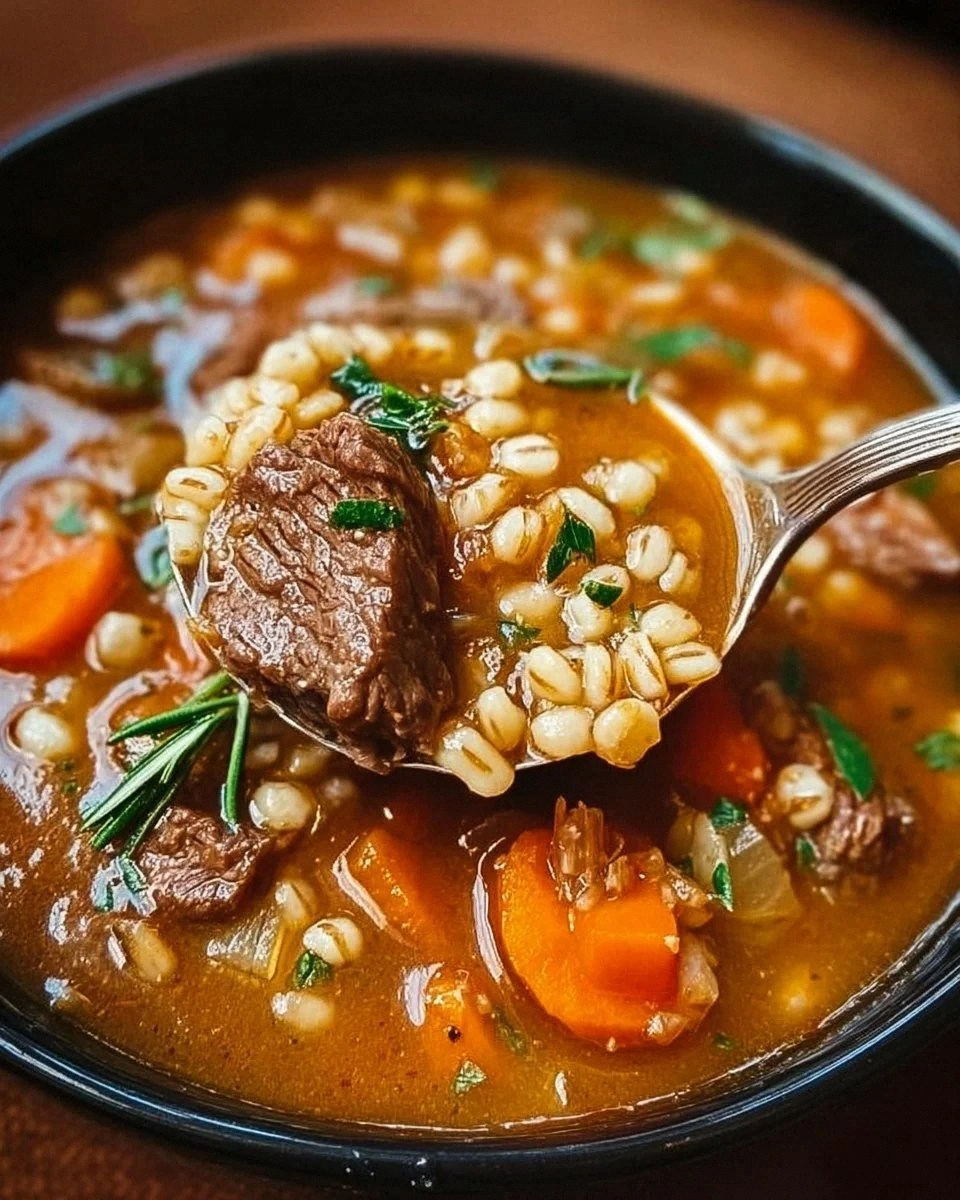
The Method — Step by Step
First, heat the olive oil in a large skillet over medium‑high heat. Once the oil shimmers, add the beef cubes in a single layer, making sure not to crowd the pan. Let them sear undisturbed for about 2‑3 minutes per side until a deep, caramelized crust forms. This is the moment of truth: you’ll hear a satisfying sizzle that tells you you’re building flavor from the ground up. Transfer the browned beef to the crockpot, leaving the fond (the browned bits) in the pan.
In the same skillet, add a splash more olive oil if needed, then toss in the chopped onion, carrots, and celery. Cook, stirring occasionally, until the vegetables start to turn translucent and the edges of the onion begin to brown—about 5 minutes. The aroma should be sweet and slightly nutty, a clear sign that the natural sugars are caramelizing. If you’re feeling adventurous, deglaze the pan with a splash of beef broth, scraping up every bit of fond; that liquid is liquid gold for your soup.
Now, add the minced garlic to the skillet and stir for just 30 seconds—don’t let it brown, or it’ll turn bitter. Once fragrant, dump the entire contents of the skillet into the crockpot, joining the seared beef.
Next, add the rinsed pearl barley, beef broth, water, dried thyme, and dried rosemary to the crockpot. Give everything a gentle stir to distribute the herbs evenly. The broth should just barely cover the ingredients; if it looks a shade too low, add a splash more water. This is where the magic of low‑and‑slow cooking takes over—no need to hover over the pot, just set the timer and trust the process.
Cover the crockpot and set it to low for 6‑8 hours, or high for 3‑4 hours. During the first hour, resist the urge to peek—every time you lift the lid, you lose precious heat. The broth will gradually thicken as the barley releases its starches, creating a naturally creamy consistency without any cream added.
About 30 minutes before serving, taste the soup and season with salt and freshly cracked black pepper. Remember, the broth already carries some salt from the beef stock, so add gradually. If the soup feels a little thick, stir in a splash of water or extra broth to loosen it up.
Just before you ladle the soup into bowls, fold in a generous handful of freshly chopped parsley. The green specks not only add a pop of color but also a bright, herbaceous finish that lifts the entire bowl.
Serve hot, with crusty bread on the side if you like, and watch as everyone dives in. I’ll be honest — I ate half the batch before anyone else got to try it, and that’s a testament to how addictive this soup truly is. That’s it — you did it. But hold on, I've got a few more tricks that'll take this to another level...
Insider Tricks for Flawless Results
The Temperature Rule Nobody Follows
Low heat is the secret sauce of this soup. While the recipe lists both low and high options, the low setting allows the collagen in the chuck roast to break down slowly, turning tough meat into melt‑in‑your‑mouth pieces. I once tried the high setting to “speed things up” and ended up with barley that looked like porridge and beef that was still a bit chewy. Trust the slow burn; the flavor depth you gain is worth every minute.
Why Your Nose Knows Best
Before you even taste, let your nose do the work. When the broth reaches a fragrant, herb‑laden scent, you know the thyme and rosemary have infused fully. If the aroma still smells raw or just beefy, give it another 15 minutes. Your sense of smell is a reliable indicator of flavor development, often more accurate than a timer.
The 5‑Minute Rest That Changes Everything
Once the cooking cycle ends, let the soup sit, covered, for five minutes. This short rest allows the starches from the barley to settle, giving the soup a silkier texture. Skipping this step can result in a broth that feels a bit “grainy” on the palate. I’ve seen this trick turn a good soup into a great one, every single time.
Seasoning in Layers
Don’t dump all the salt at once. Add a pinch during the searing stage, another pinch after the broth is combined, and a final adjustment right before serving. This layered approach ensures the seasoning penetrates every component, from the beef to the barley. Trust me, the difference between “good” and “jaw‑dropping” is in those subtle layers.
The “Finish‑with‑Fresh” Principle
Fresh herbs added at the end preserve their volatile oils, which are lost during long cooking. Parsley, cilantro, or even a touch of fresh thyme can brighten the final bowl. If you’re a fan of a little heat, a pinch of crushed red pepper flakes added just before serving gives a subtle kick without overwhelming the soup’s delicate balance.
Creative Twists and Variations
This recipe is a playground. Here are some of my favorite ways to switch things up:
Mushroom Medley
Add a cup of sliced cremini or shiitake mushrooms when you sauté the veggies. The earthy umami deepens the broth, making it a perfect companion for a fall evening. Mushroom lovers will swear by this version.
Spicy Southwest
Swap the thyme and rosemary for a teaspoon of cumin and a half‑teaspoon of smoked paprika. Toss in a diced jalapeño with the onions, and finish with a squeeze of lime and a sprinkle of cilantro. This twist turns the soup into a hearty Tex‑Mex comfort bowl.
Hearty Veggie Boost
Double the carrots and add a diced sweet potato for extra sweetness and nutrition. You can also toss in a handful of kale or spinach during the last 15 minutes of cooking for a pop of green. Perfect for those who want more vegetables without compromising the beefy backbone.
Creamy Coconut
Replace half of the beef broth with coconut milk and add a teaspoon of ginger paste when you add the garlic. The result is a silky, slightly sweet soup with a subtle tropical flair—great for winter evenings when you crave something exotic.
Beer‑Infused Barley
Swap the water for a cup of a robust amber ale. The maltiness of the beer melds with the barley, creating a deep, almost caramel‑like undertone. Serve with a crusty baguette and a cold pint for the ultimate pub‑style dinner.
Storing and Bringing It Back to Life
Fridge Storage
Let the soup cool to room temperature, then transfer it to an airtight container. It will keep fresh for up to 4 days. When reheating, add a splash of water or broth to revive the creamy consistency, then warm gently on the stove over low heat.
Freezer Friendly
Portion the soup into freezer‑safe bags or containers, leaving about an inch of headspace. It freezes beautifully for up to 3 months. Thaw overnight in the fridge, then reheat on the stovetop, stirring in a bit of fresh broth if needed.
Best Reheating Method
The secret to reheating without losing texture is a gentle simmer. Place the soup in a saucepan, add a tablespoon of water per cup, and stir constantly until it reaches a gentle bubble. This method prevents the barley from turning gummy and keeps the beef tender.